Germany’s secret war plan against Russia revealed
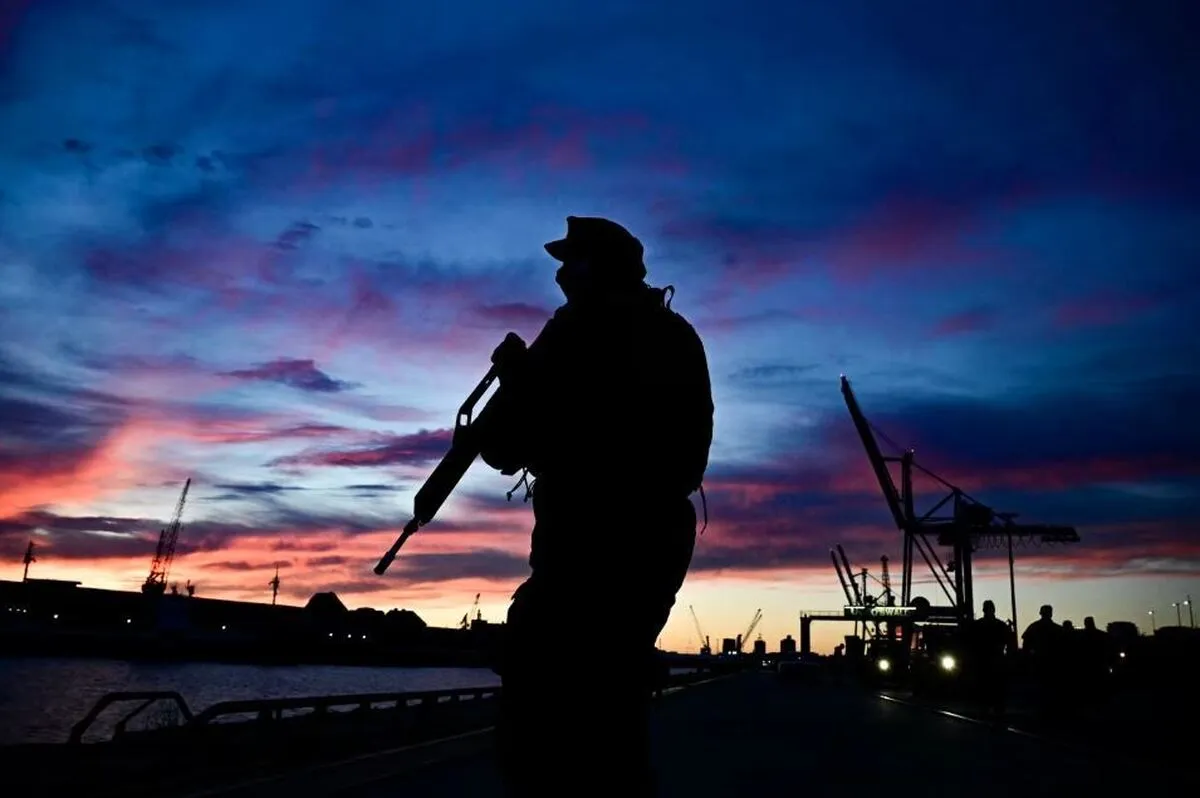
According to The Wall Street Journal, Berlin’s confidential war plan—drafted to prepare for a potential conflict with Moscow—is called the “German Operational Plan (OPLAN DEU).”
Around two and a half years ago, a group of senior German military officers quietly gathered inside Berlin’s Julius Leber Barracks to design a highly confidential plan for how Germany and NATO would fight a potential war with Russia.
War between Russia and Ukraine in 2022 shattered Europe’s post–Cold War assumptions about stability and forced Germany—Europe’s largest economy and NATO’s indispensable transit territory—to rethink nearly every aspect of its military preparedness. The result of that effort is a 1,200-page classified blueprint known as Operation Plan Germany, or OPLAN DEU, which is now being urgently implemented across the government and private sector.
The core of the plan is logistics. In any future conflict with Russia, Germany would serve not as a front-line battleground but as NATO’s principal staging ground. As many as 800,000 troops from Germany, the United States, and allied nations would have to move eastward through German territory.
That means ports, railroads, highways, bridges, civilian agencies, and private contractors must all work in sync to channel troops, equipment, fuel, and ammunition toward the eastern flank. With the Alps blocking southern routes, nearly all NATO reinforcements would have no choice but to cross Germany.
German planners describe the approach as “all-of-society”—a revival of Cold War thinking but updated for modern threats such as drones, sabotage, disinformation, and cyberattacks. Russia, according to German intelligence estimates, could be ready for an attack on NATO by 2029, though signs of sabotage and espionage across Europe hint at an even shorter timeline.
The overarching aim of OPLAN DEU is deterrence: to make clear that an attack on NATO would be doomed to fail. But implementing it requires overcoming decades of peacetime habits, budget constraints, and regulatory hurdles. Germany’s military, the bundeswehr, is smaller and less experienced than during the Cold War, and the country’s infrastructure—bridges, highways, railways, and ports—has suffered from chronic underinvestment. Much of the Cold War–era dual-use infrastructure designed for military mobility no longer meets modern standards or has fallen into disrepair.
The report highlights several telling examples. In Cold War Germany, stretches of autobahn were built as emergency landing strips for fighter jets, with hidden kerosene tanks buried underneath parking areas. Today, many of these structures are degraded or unusable. More recent infrastructure often wasn’t built to military specifications at all. According to Berlin, 20% of highways and more than a quarter of highway bridges need repair. Ports on Germany’s northern coasts require billions in upgrades, and many have only a single railway connection to the hinterland, creating dangerous chokepoints.
Recent accidents have revealed how fragile this system is. In early 2024, a cargo ship rammed a key railway bridge near the port of Nordenham—the only port at the time licensed to handle all types of munitions headed to Ukraine. A temporary bridge was then also struck by another ship. Though both incidents appeared accidental, they forced ammunition shipments to halt or divert for weeks and triggered alarm inside NATO military commands about how easily the alliance’s supply lines could be disrupted.
To strengthen resilience, Germany is investing €166 billion in infrastructure through 2029, prioritizing dual-use upgrades. But infrastructure is only part of the challenge. Bureaucratic rules—from procurement laws to drone flight regulations—hinder military modernization. For instance, drones purchased for the bundeswehr must be equipped with position lights and are banned from flying over built-up areas, making them nearly useless for wartime reconnaissance.
The OPLAN’s implementation involves close coordination between the military, private companies, police, hospitals, and disaster relief agencies. Exercises such as Red Storm Bravo—a rehearsal in Hamburg involving NATO troops, drone threats, port protests, and convoy movement—show both progress and shortcomings. During the drill, convoys were slowed by traffic gaps, confusion over drones, and protesters gluing themselves to the roadway. Police lacked the solvents needed to remove them, causing a two-hour delay. The convoy advanced only six miles.
Meanwhile, sabotage and espionage remain serious concerns. Germany has seen numerous attacks on railways, cables, and critical infrastructure, some linked to Russian actors. Domestic intelligence performed nearly 10,000 background checks on infrastructure employees last year. Officials warn that if Germany becomes NATO’s central hub, Russia will increasingly target its ports, power grid, and transport links.
Despite setbacks, German officials insist they have made significant strides since early 2023. But the biggest uncertainty is time: how much of it Germany has left to build readiness before a crisis erupts. As Chancellor Friedrich Merz bluntly put it, Europe may not yet be at war, “but we no longer live