Donated bodies, profits, prison: A scandal that rocked Harvard
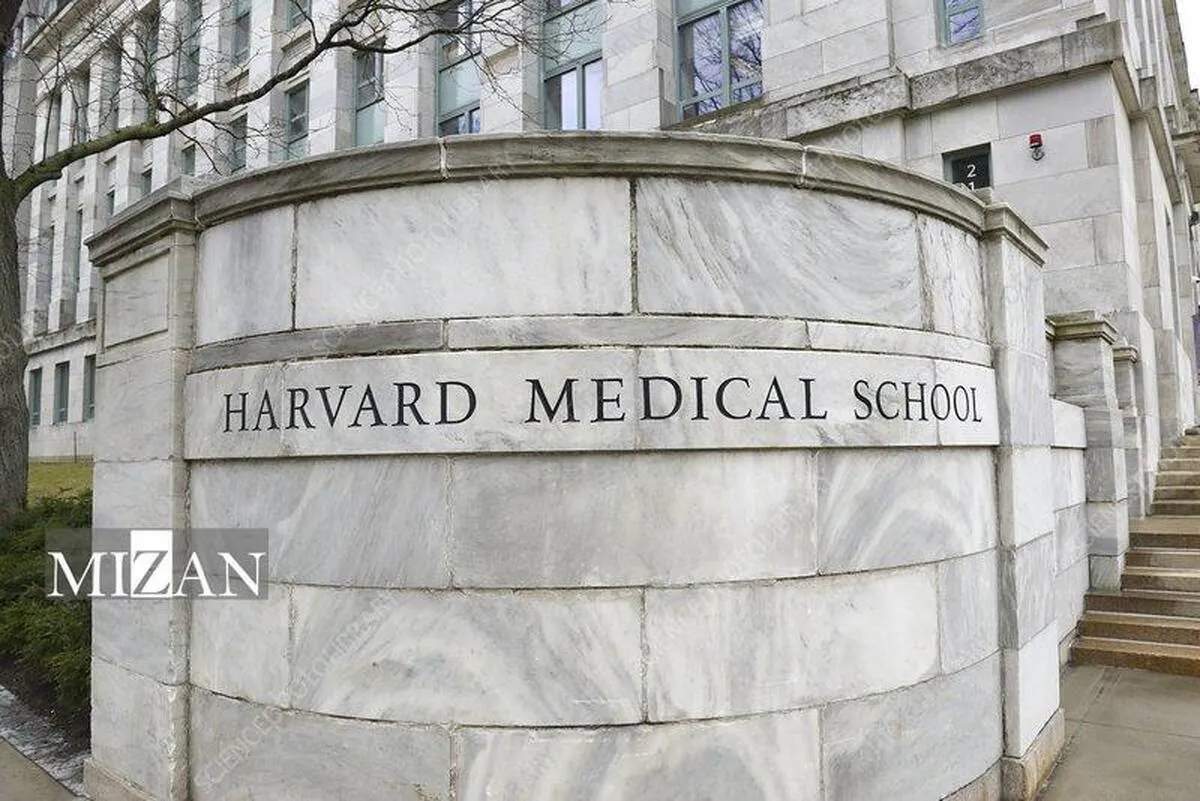
The former morgue manager at Harvard Medical School was sentenced to eight years in prison for stealing and selling body parts from cadavers donated for medical research.
Cedric Lodge, who managed the morgue for more than two decades and was arrested in 2023, was sentenced to eight years in prison by a US district judge in Pennsylvania.
In court filings, prosecutors wrote that he inflicted deep emotional harm on countless family members, leaving them questioning whether the remains of their loved ones had been mistreated.
The 58-year-old pleaded guilty in May to transporting stolen goods across state lines. Prosecutors said he removed heads, faces, brains, skin, and hands from cadavers in the morgue, took them to his home in New Hampshire, and then sold them to multiple individuals.
Lodge’s wife was also sentenced to one year in prison for her role in facilitating the sale of the stolen organs and body parts to several people, including two individuals in Pennsylvania. These body parts were later resold by the initial buyers to others.
Prosecutors had asked Pennsylvania Judge Matthew Brann to sentence Lodge to 10 years in prison and to impose the maximum penalty for what they described as shocking crimes that were deeply disturbing to society.
Patrick Casey, Lodge’s lawyer, while acknowledging the harm his client’s actions caused to the deceased—whose bodies were brutally desecrated—and to their grieving families, asked the judge for leniency.
Harvard Medical School has not yet commented on Lodge’s sentencing, but previously described his actions as abhorrent and contrary to the standards and values expected by Harvard, donors, and their loved ones.
In October, a US court ruled that family members who donated the bodies of their loved ones for medical research may sue Harvard Medical School.
In the United States, posthumous body donation programs, known as “Willed Body Programs,” are common at medical universities, where donated bodies are used for medical education and research.
However, several major scandals have occurred in recent decades involving the theft and illegal sale of body parts by staff or administrators of such programs.
In 2004, the University of California, Los Angeles (UCLA) body donation program was suspended over the illegal sale of donated body parts.
The program’s director and a broker were accused of cutting and selling parts such as heads and other organs to private companies for profit.
The University of California claimed it was unaware of the activities, but donor families filed lawsuits and the program was temporarily shut down.
Beyond universities, similar scandals have emerged at non-governmental facilities in the US, including a medical center in Arizona. Reports indicated that donated bodies were dismembered without family consent and sold for military testing, such as explosive experiments, leading to heavy financial penalties.