Iranian professor dismissed from U.S. university over criticism of the Israeli regime
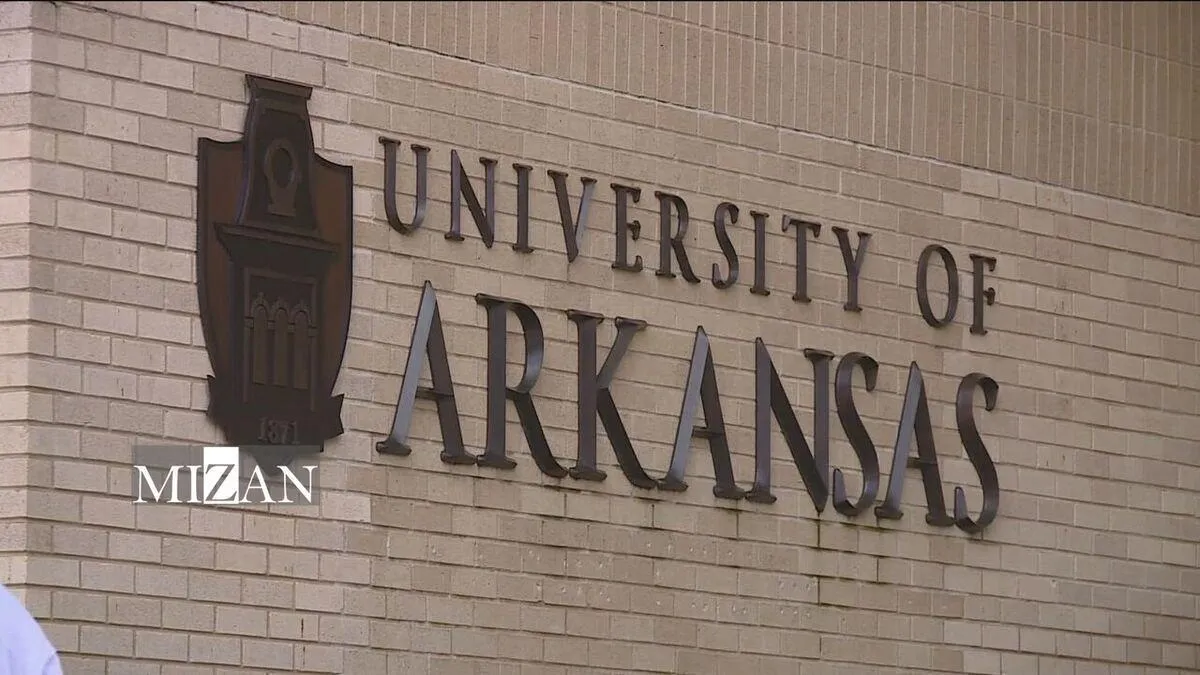
The University of Arkansas dismissed an Iranian professor and head of its Middle East Studies program from her post.
Shirin Saeidi, an assistant professor of political science and director of the Middle East Studies Program at the University of Arkansas, has been removed from her managerial position.
The Washington Post reported that the Iranian professor was accused over what was described as criticism of the Israeli regime.
According to the report, Saeidi had previously posted messages on X criticizing what she described as the Israeli regime’s genocide in Gaza and referring to the regime as terrorist.
A spokesperson for the University of Arkansas claimed that Saeidi is no longer part of the Middle East Studies faculty and that the university is reviewing her public use of official university letterhead “in accordance with university policies.”
Since the start of the Gaza war in 2023, widespread protests against what has been described as the Israeli regime’s genocide have taken place across U.S. universities.
These protests and sit-ins have so far led to the suspension and dismissal of many university students and faculty members.
Meanwhile, Nasser Seraj, Deputy for International Affairs of Iran’s Judiciary and Secretary of the High Council for Human Rights of the Islamic Republic of Iran, reacted to the dismissal of Shirin Saeidi, assistant professor of political science and director of the Middle East Studies Program at the University of Arkansas, over criticism of the Israeli regime, stating that the removal of this Iranian professor from the university for defending the oppressed people of Palestine is yet another disgrace for the United States in its violation of human rights.
He emphasized that the removal and dismissal of Iranian professors and opponents of what he described as the crimes of the “genocidal and child-killing Zionist regime” from Western universities shows that what is promoted in the West as “freedom of expression” and “academic space” is more of a superficial and anti-human-rights façade than a reality.
Referring to Ms. Saeidi’s praise and support for the Supreme Leader of the Islamic Revolution during the Israeli regime’s attack on Iran, the Secretary of the High Council for Human Rights noted that what is particularly noteworthy in this case is the clear contradiction between the lofty human-rights claims of the United States and some Western countries. The dismissal of this Iranian professor demonstrates that the academic environment in the West is not only neither independent nor neutral, but is fully subject to ideological pressures.
He further stated that such actions are not limited to a single Iranian professor in the United States, adding that the cases of Shirin Saeidi and Mahdieh Esfandiyari are both clear examples proving that in the West, freedom of expression and democracy are nothing more than slogans, and that anything contrary to their interests — even at the academic or civil level — is met with restriction and dismissal.