The Political framing of the Sydney attack amid the Gaza war
The war crimes of genocide and ethnic cleansing committed by the Zionist occupying army against Palestinians in the Gaza Strip over the past two years have fueled negative perceptions of Jews worldwide and have contributed to an increase in incidents and attacks against them.
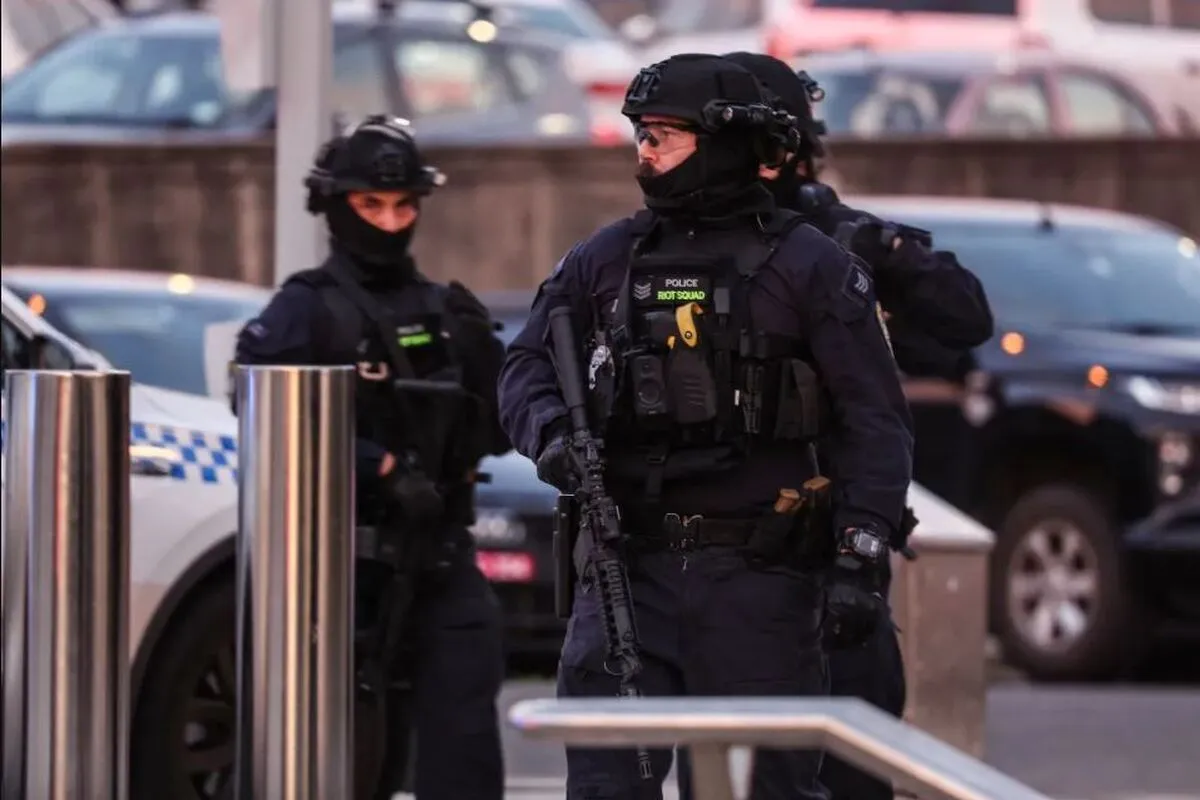
The recent attack in Sydney, which claimed the lives of at least 16 people, was not the first of its kind; multiple attacks had occurred previously during the period of the genocide of Palestinians in the Gaza Strip.
The Sydney shooting embodied years of pent-up anger—anger that was ignited by the Zionist regime’s war of annihilation in Gaza and transformed from mere sentiment into an act of vengeance.
In this context, it is hardly surprising that leaders of the Zionist regime launched a campaign against Australian officials, whom the regime’s cabinet had previously accused of turning the country into an “unsafe environment for Jews.”
The attack that targeted Sydney, Australia, last Sunday has once again reignited debate over the exploitation of security incidents outside Palestine to serve the Zionist narrative, particularly in light of the ongoing aggression against the Gaza Strip and the growing political isolation of the occupying regime.
While Zionist media outlets were quick to frame the incident within the context of “antisemitism” and portray the Zionist regime as a victim, questions have been raised about the political and media dimensions of the attack and the extent to which it has been used to reshape international public opinion and divert attention from crimes committed against Palestinians.
Media in the occupied territories covered the attack with striking and extensive headlines, reflecting an almost complete consensus in Zionist media discourse, particularly in Maariv, Yedioth Ahronoth, and Haaretz.
These newspapers focused on the killing of 11 Zionists during the Hanukkah celebration, highlighting the security and symbolic dimensions of the incident and employing it within a narrative that serves the Zionist perspective.
Official reactions from the Zionist regime have remained limited and have not gone beyond the customary statements of Prime Minister Benjamin Netanyahu, who linked the attack to what he calls a “rise in antisemitism,” without offering a comprehensive political or security position.
The incident is likely to deepen divisions within Zionist society. One internal faction believes that Netanyahu’s policies—especially the war on Gaza, the siege, and military operations in Lebanon accompanied by the widespread killing of children and large-scale destruction—have played a role in increasing global public anger toward the regime and have exposed Jews outside the occupied territories to the consequences of these policies.
Another trend within the occupied territories seeks to politically exploit the attack by reviving “antisemitism” rhetoric toward the international community, particularly the Australian government.
The goal is to pressure Australia, cast doubt on its support for recognizing a Palestinian state, and once again portray the Zionist regime as a victim of religious or ethnic targeting.
This pro-Netanyahu faction is attempting to impose its narrative at the cost of growing domestic criticism. Nevertheless, the rift between those who hold Netanyahu responsible for the global repercussions of his policies on the image of Jews and those who continue to defend him by using “antisemitism” rhetoric as a political tool during moments of defeat and international isolation will persist, as both sides seek to repair the Zionist regime’s image in Western public opinion.
According to Al Jazeera, the Australian shooting triggered broad political and media reactions that went beyond a purely security-based response, opening a debate about its implications and its potential exploitation within the conflict between the Zionist regime and Palestine.
While Australian officials focused on describing the incident as a condemnable crime requiring investigation and accountability, the Zionist regime quickly linked the attack to broader narratives related to antisemitism and the recognition of a Palestinian state. This led to differing interpretations regarding the objectives and limits of such a linkage.
The path chosen by the Zionist regime in dealing with the incident has been toward expanding its implications—an approach observers consider part of the regime’s usual policy of linking any violence occurring beyond its borders to global antisemitic discourse.
By associating the incident with protests against the Gaza war and attempting to portray these movements as a security threat to Jews in the West, the Zionist prime minister has politically exploited the attack.
This linkage comes at a time when Australia has adopted official positions contrary to the policies of the Zionist regime, including recognizing a Palestinian state and allowing large demonstrations in support of Gaza—moves that have made Australia a direct target of Zionist criticism.