From cooperation to isolation: Israel’s universities under pressure
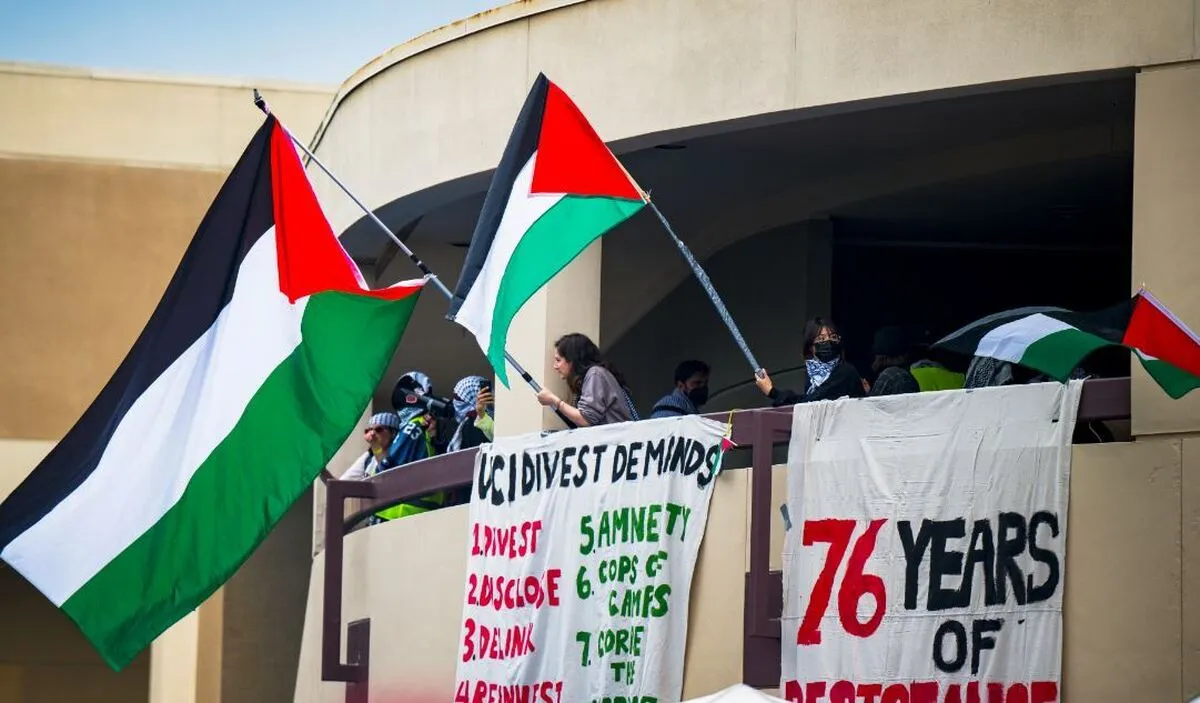
Even with a ceasefire in Gaza in place, academic sanctions against Israeli universities continue. The Times of Israel has acknowledged that universities around the world have found creative ways to circumvent existing regulations in order to boycott Israeli universities without facing penalties.
In early November, the University of Federico II— the oldest public university in the world and one of Europe’s largest—signed a resolution to boycott cooperation with Israeli institutions. The decision came several weeks after a ceasefire was reached in the two-year war between Israel and Hamas in the Gaza Strip.
The resolution stated that the university “hopes the ceasefire will become a real turning point toward a sustainable and stable peace.”
Under the decision, the university announced it would suspend “the signing of any new agreements for scientific and educational cooperation with Israeli universities, institutions, and public or private companies.”
The statement was issued following a request by more than 230 professors and faculty members. According to The Times of Israel, this move was a continuation of a path other universities around the world had taken during the two years of the Gaza war against Israel.
Academic sanctions intensify after October 7
Academic sanctions against Israeli institutions and professors have sharply increased since October 7, 2023. Although such sanctions are officially prohibited in the United States and Europe, universities worldwide have found new ways to minimize their relations with Israeli academic institutions.
Israeli officials have warned that the situation worsened further in 2025. Emmanuel Nahshon, head of the task force combating academic sanctions at the Association of Israeli Universities, said: “Last year in itself was a very bad year in terms of sanctions, and at the beginning of 2025 the situation became even worse.”
According to him, the association recorded 300 cases of sanctions in 2023 following the October 7 attack; that figure rose to 700 the following year.
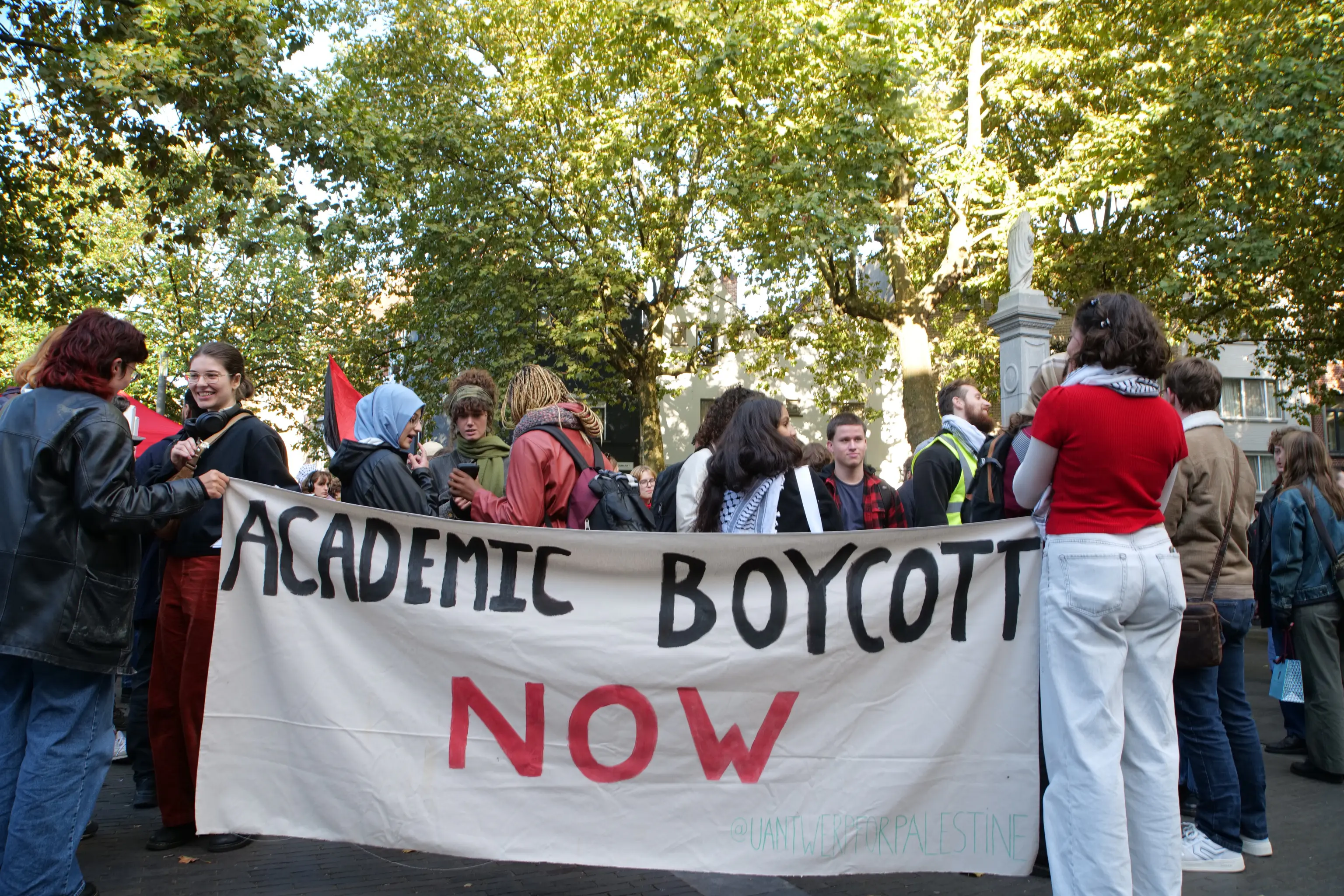
These sanctions have targeted hundreds of Israeli researchers and imposed restrictions on cooperation with international institutions and programs.
Nahshon noted that while a ceasefire in Gaza may eventually reduce the intensity of anti-Israel sanctions worldwide, no significant improvement should be expected in the short term.
He added that these are only the visible sanctions; there are also “silent sanctions.” For example, articles submitted by Israeli researchers to international journals and conferences go unanswered, or Zionist researchers are not invited at all to conferences in their fields of expertise.
Dozens of European universities boycott Israel
Even European universities’ financial need for Israeli funding has not prevented them from taking sanctioning measures. Israel has attempted to deter many European universities from broader boycotts through financial threats. Nevertheless, the sanctions have not disappeared; their scope has merely narrowed.
According to Israel’s Ministry of Innovation, Science and Technology, around 38 percent of Israeli research is conducted in cooperation with European academics. Many Israeli technology companies, including the regime’s defense industries, have lucrative contracts with universities.
A large portion of this cooperation takes place within European Union programs such as Horizon Europe and Erasmus, which provide extensive funding for research and education. An official boycott of Israel would mean forgoing billions of euros in research and development funding.
At the same time, efforts began in early 2025 to cut Israel’s access to EU research funds, but these initiatives failed following extensive lobbying by Israel.
The head of the anti-sanctions task force at the Association of Israeli Universities admitted that despite European universities’ financial dependencies, some institutions—including Ghent University in Belgium—have stated that their commitment to boycotting Israel is more important than receiving EU funding.
According to this Zionist official, more than 30 European universities—mainly in Belgium, the Netherlands, Italy, and Spain—have voted at the institutional level to boycott Israel.
The shadow of “silent sanctions” over Israel
Israeli officials have acknowledged that universities around the world are devising new methods—such as forming “ethics committees”—to remove responsibility for sanctioning Israel from university administrators while still achieving their goal of cutting ties with Israel.
According to Nahshon, universities are implementing “shadow sanctions” by ignoring Israeli researchers or avoiding joint cooperation with them without providing explanations. He emphasized that these actions are being carried out in an “organized” manner across universities worldwide.
US universities circumvent the rules
Existing regulations and pressure from US President Donald Trump on American universities have made matters difficult for many institutions in the United States. However, according to Israeli officials, these universities are still finding alternative ways to sanction Israeli researchers and professors.
Surveys indicate that many Zionist academics have been marginalized or excluded. Despite legal efforts and the creation of various programs to strengthen cooperation between US and Israeli universities, most experts believe the sanctions will not end anytime soon.
Nahshon believes Israel will “likely face isolation for many years.” He stressed that the regime has no choice but to adapt to these conditions and develop counter-markets. “What we need to do is adapt to this reality and develop better tools to deal with it.”