Pentagon plan to restructure the U.S. military
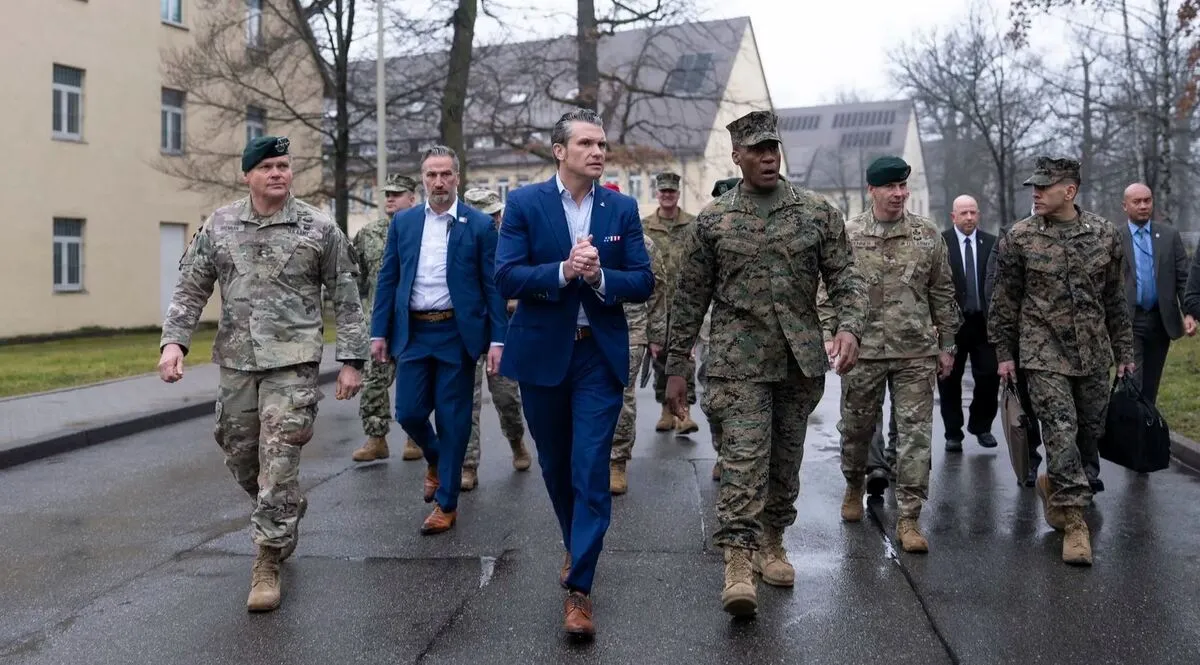
According to the newspaper, which is close to Democratic circles, if approved, the plan would bring about some of the most significant changes to the upper echelons of the U.S. military in decades. Peter Hegseth has vowed to upend the status quo and reduce the number of four-star generals.
Five people familiar with the matter said the plan would reduce the importance of U.S. Central Command, U.S. European Command, and U.S. Africa Command by placing them under a new organizational structure called U.S. International Command.
Dan Caine, Chairman of the Joint Chiefs of Staff, is expected to discuss the details of the proposal with Hegseth in the coming days. Sources said these measures would complement broader government efforts to shift resources away from the Middle East and Europe, with a primary focus on expanding military operations in the Western Hemisphere.
According to those familiar with the plan, it also calls for merging U.S. Southern Command and U.S. Northern Command—which oversee military operations across the Western Hemisphere—into a new central headquarters called U.S. Command, or “AmeriCom.”
The Washington Post wrote that these moves would reduce the number of senior military headquarters—known as combatant commands—from 11 to eight, while also cutting the number of four-star generals and admirals who report directly to Hegseth. The remaining combatant commands would include U.S. Indo-Pacific Command, U.S. Cyber Command, U.S. Special Operations Command, U.S. Space Command, U.S. Strategic Command, and U.S. Transportation Command.
Sources said the plan aligns with the Trump administration’s newly released National Security Strategy, which states: “The days when America carried the entire global order on its shoulders like Atlas are over.”
A senior defense official, speaking on condition of anonymity, said the proposed restructuring is intended to speed up decision-making and improve adaptability among military commanders. The official added that there has been a “decline” in how U.S. forces are commanded and overseen, indicating an urgent need for sweeping change. “Time is not on our side,” the official said.
Meanwhile, senior military officials have expressed concern about the new defense strategy introduced by the defense secretary—one that prioritizes homeland security at the expense of international alliances, particularly with countries such as China and Russia.
Critics argue that the changes could undermine national and global stability. Earlier this year, a Pentagon memo revealed internal disagreements among senior officers and warned that Hegseth’s approach could weaken military readiness and strain diplomatic relations with key allies.
Democratic Representative Chrissy Houlahan of Pennsylvania criticized Hegseth, saying: “He embodies dangerous views that undermine the effectiveness and readiness of our military.”
Democratic Senator Mazie Hirono of Hawaii echoed these concerns, stating: “This comes at the cost of real national security. But clearly, they don’t care.”
Despite the criticism, the U.S. defense secretary defended his strategy, saying: “There needs to be more training for the troops; we’re not doing enough of it. We’re not doing enough flight training. I like this approach… I think it was a strong speech.”
Hegseth argues that emphasizing homeland security and force readiness reflects lessons learned from recent conflicts and internal assessments.