U.S. sanctions: An open assault on the independence of the International Criminal Court
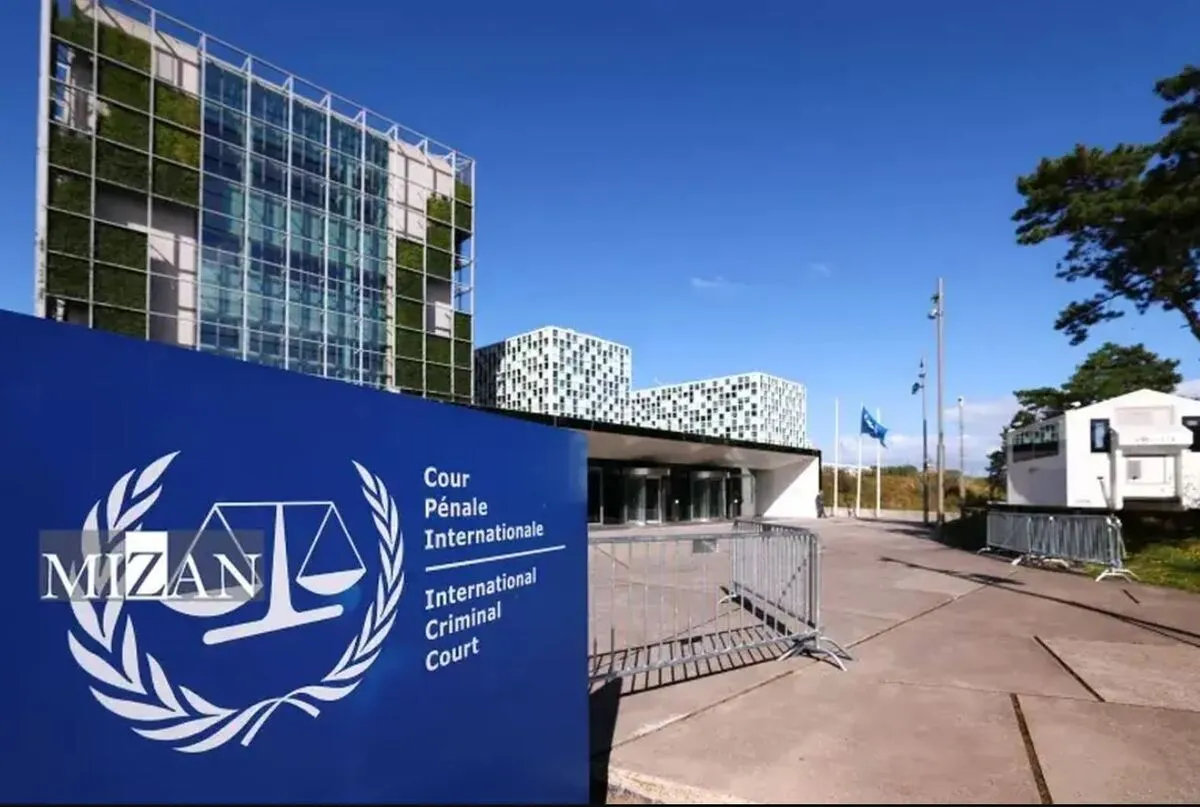
Citing a recent ruling that prevented the Zionist regime from halting investigations into war crimes in Gaza, the United States has issued a new round of sanctions targeting ICC staff.
The new sanctions target two judges: Gocha Lordkipanidze of Georgia and Erdenebalsuren Damdin of Mongolia.
In a statement, U.S. Secretary of State Marco Rubio claimed that these judges were directly involved in the ICC’s efforts to investigate, arrest, detain, or prosecute Israeli nationals without Israel’s consent.
Rubio also blamed Lordkipanidze and Damdin for voting with the majority on December 15, when the ICC rejected the Zionist regime’s attempt to stop the investigation into war crimes.
The United States is the main ally of the Zionist regime and, by continuing to provide billions of dollars in military and economic assistance, has supported its genocidal war in Gaza—a comprehensive support that continues.
In the statement, Rubio claimed that the ICC has continued what he described as political actions against Israel, creating a dangerous precedent for all nations.
These sanctions are the latest in a series of economic restrictions imposed by the administration of U.S. President Donald Trump on members of the ICC and their affiliates.
Critics warn that such measures could halt investigations worldwide and have far-reaching consequences for prosecutors, judges, and even witnesses.
For example, last February, the Trump administration imposed sweeping sanctions on ICC staff and anyone who assisted the court’s investigations against the United States and its allies.
The White House has continued to issue individual sanctions against judges and prosecutors it opposes.
Last June, four ICC judges were sanctioned—two of whom were involved in investigations related to U.S. military personnel in Afghanistan.
The other two played a role in the decision to issue arrest warrants for Benjamin Netanyahu, the prime minister, and Yoav Gallant, the former war minister of the regime.
Then, in August, the United States expanded the sanctions, taking action against two more ICC judges and two ICC prosecutors.
Even entities outside the ICC have faced economic penalties for their cooperation with its investigations.
Last September, Rubio announced that three non-governmental organizations would also be sanctioned for assisting the ICC in the “investigation, arrest, detention, or prosecution of Israeli nationals.”
In a statement, the ICC condemned the latest U.S. move as “an open attack on the independence of an impartial judicial institution.”
Despite this, the international court pledged to continue fulfilling its mandate despite U.S. pressure.
The statement said: “When judicial actors are threatened for enforcing the law, it is the international legal order itself that is placed at risk.”
These sanctions are partly imposed in protest of the ICC’s November 2024 decision to issue arrest warrants for Netanyahu and Gallant on charges of war crimes in Gaza.
The Trump administration has also pressured the court to formally end investigations into the conduct of U.S. forces during two decades of deployment in Afghanistan.
The United States and the Zionist regime are not members of the ICC, and the Trump administration claims that the court has exceeded its jurisdiction by investigating U.S. and Israeli citizens.
However, the ICC has stressed that it has the authority to investigate abuses committed by the United States and the Zionist regime on the territory of ICC signatories, including the occupied Palestinian territories.