No one left untouched: Shocking statistics of Israeli genocide in Gaza
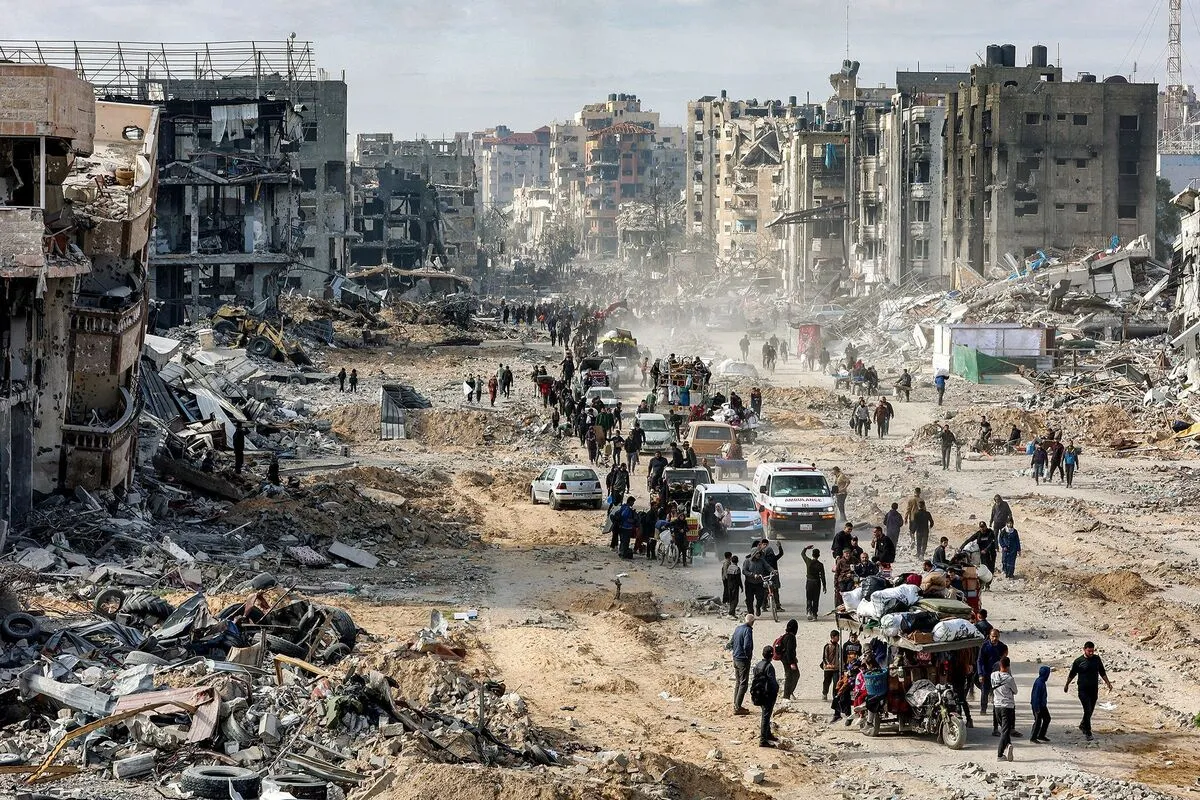
Initial data collected by the Euro-Mediterranean Human Rights Monitor (Euro-Med Monitor) regarding the genocide committed by the Israeli regime in Gaza reveal staggering figures—evidence of a catastrophe that has spared no one. None of Gaza’s residents have been untouched by this calamity. According to the data, since October 7, 2023, over 270,000 people—around 12% of the population—have been killed, injured, or detained.
These comprehensive statistics expose the far-reaching consequences of over two years of genocide: mass killings, injuries, arbitrary detentions, large-scale destruction, dispossession, and forced displacement. Entire families have been wiped out, neighborhoods destroyed, and livelihoods obliterated. Gaza’s residents now face severe food insecurity, deprivation of healthcare and education, and deep psychological trauma that has engulfed an entire generation living under siege.
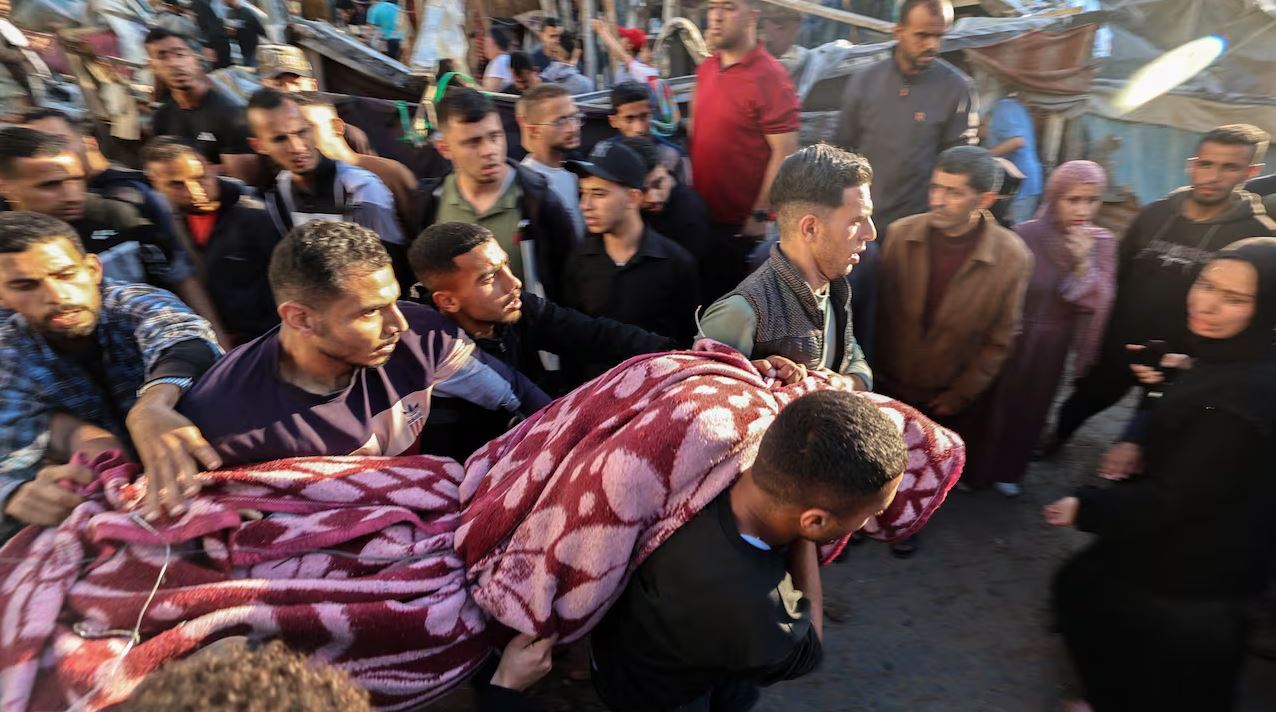
Over the course of more than two years, the occupying army has killed approximately 75,190 Palestinians in Gaza, including at least 70,248 civilians, who make up 90% of all casualties. Among them are 21,310 children (30%) and 13,987 women (20%).
Euro-Med Monitor has recorded injuries to about 173,200 Palestinians, tens of thousands of whom suffer from permanent disabilities or severe wounds such as amputations, severe burns, disfigurement, spinal and eye injuries, and serious psychological disorders caused by repeated trauma and the loss of loved ones and homes. The data indicate that about 40,000 people, including 21,000 children, now live with permanent or long-term disabilities—76% affecting upper limbs and 24% lower limbs.
About 45,600 children have been orphaned, having lost one or both parents due to Israeli military attacks. Thousands more remain unaware of their families’ fate—missing, trapped under rubble, or held in Israeli prisons and detention centers.
Meanwhile, around 12,000 Palestinians have been arrested, including 2,700 who remain detained or are victims of enforced disappearance.
Euro-Med Monitor previously published a report based on interviews with 100 released Palestinian detainees, documenting 42 types of torture and inhumane treatment inflicted by Israeli forces in prisons and detention centers. These include rape, sexual abuse, bone-breaking, electric shocks, inhuman treatment, threats to kill family members, deliberate murder, and torture leading to death.
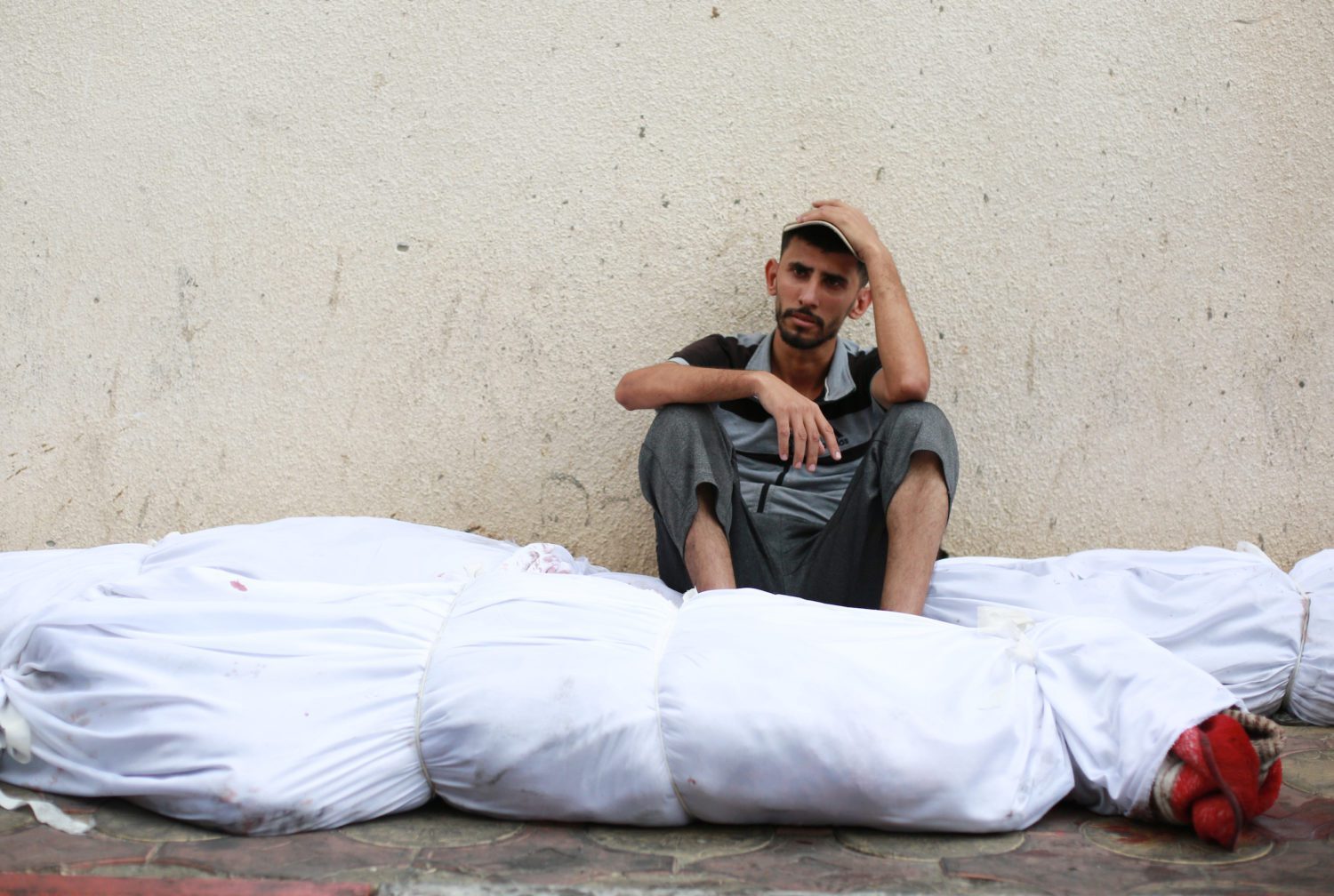
As a direct result of Israel’s starvation campaign against Gaza’s population since the beginning of the genocide, human rights organizations have recorded the deaths of 482 Palestinians, including 160 children, due to malnutrition. The entire population continues to suffer from severe food insecurity, as Israel enforces restrictions at crossings and blocks the entry of essential food supplies.
Furthermore, Gaza has witnessed a 98% reduction in daily per capita water supply, caused by the destruction of water infrastructure and Israel’s prevention of water entry into the Strip.
During the two-year blockade and continuous assaults, Israeli authorities have blocked or denied entry to about 80% of international humanitarian missions attempting to reach northern Gaza and Gaza City.
Statistics show that 1,701 healthcare workers, including 194 doctors and 376 nurses, have been killed, and 2,195 others injured. In addition, 255 journalists, 140 civil defense workers, 800 teachers, and 200 university faculty members have lost their lives.
Euro-Med Monitor has also recorded a 300% increase in miscarriages among pregnant women, resulting from direct injuries, gas inhalation, extreme stress, fear, and trauma.
The entire population of Gaza is suffering from varying degrees of psychological distress. Prolonged exposure to violence has created a state of collective mental trauma, leaving entire communities struggling with interconnected psychological disorders.
Most Gaza residents display clear symptoms of Post-Traumatic Stress Disorder (PTSD)—including hypervigilance, panic attacks, sleep disorders, and intrusive flashbacks or nightmares related to traumatic events. They also experience a chronic sense of helplessness, driven by constant danger, the loss of loved ones, recurring scenes of destruction, limited chances of survival, and the complete absence of safety.
This suffering spans the entire Gaza Strip, affecting all ages and social groups alike. It has left deep scars on the social fabric and weakened people’s ability to regain a sense of security or rebuild stable lives after such immense loss.
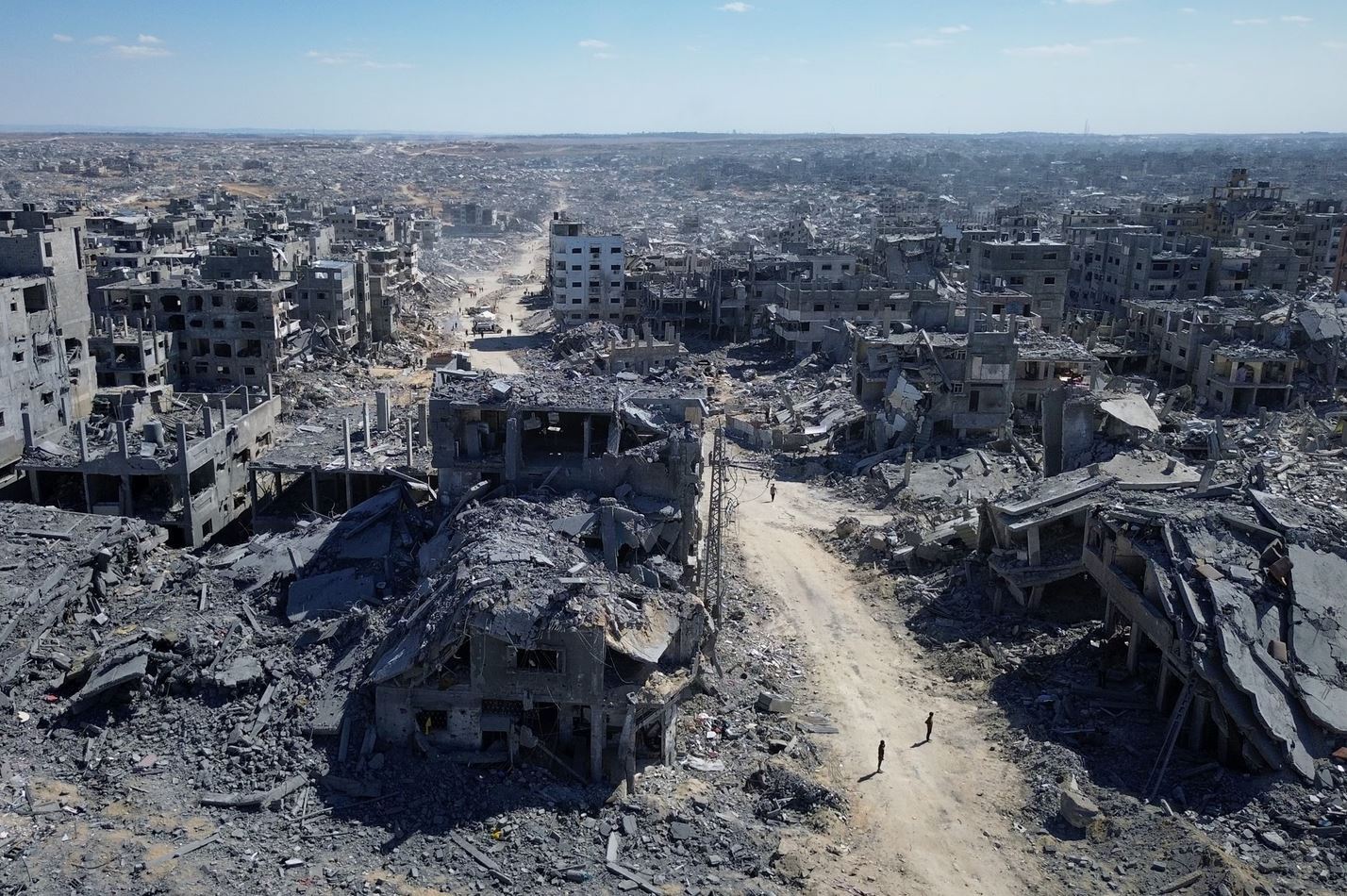
The ongoing blockade and destruction of infrastructure—including hospitals, schools, and homes—have worsened psychological symptoms by depriving people of the safety and basic conditions needed for recovery.
Up to 99% of Gaza’s population has been displaced at least once in the past two years due to home demolitions, evacuation orders by Israeli forces, fear of attacks, or the destruction of infrastructure rendering their areas uninhabitable.
The Euro-Mediterranean Human Rights Monitor has also documented widespread destruction across nearly all areas of Gaza. The Israeli army has pursued a scorched-earth policy, deliberately targeting infrastructure, properties, and vital facilities. About 80% of all buildings have been damaged or completely destroyed.
This includes 555,000 housing units either destroyed or severely damaged, along with 3,300 industrial facilities, 191 media offices, and 621 schools. Data show that about 95% of Gaza’s schools and universities and all hospitals have been damaged or destroyed.
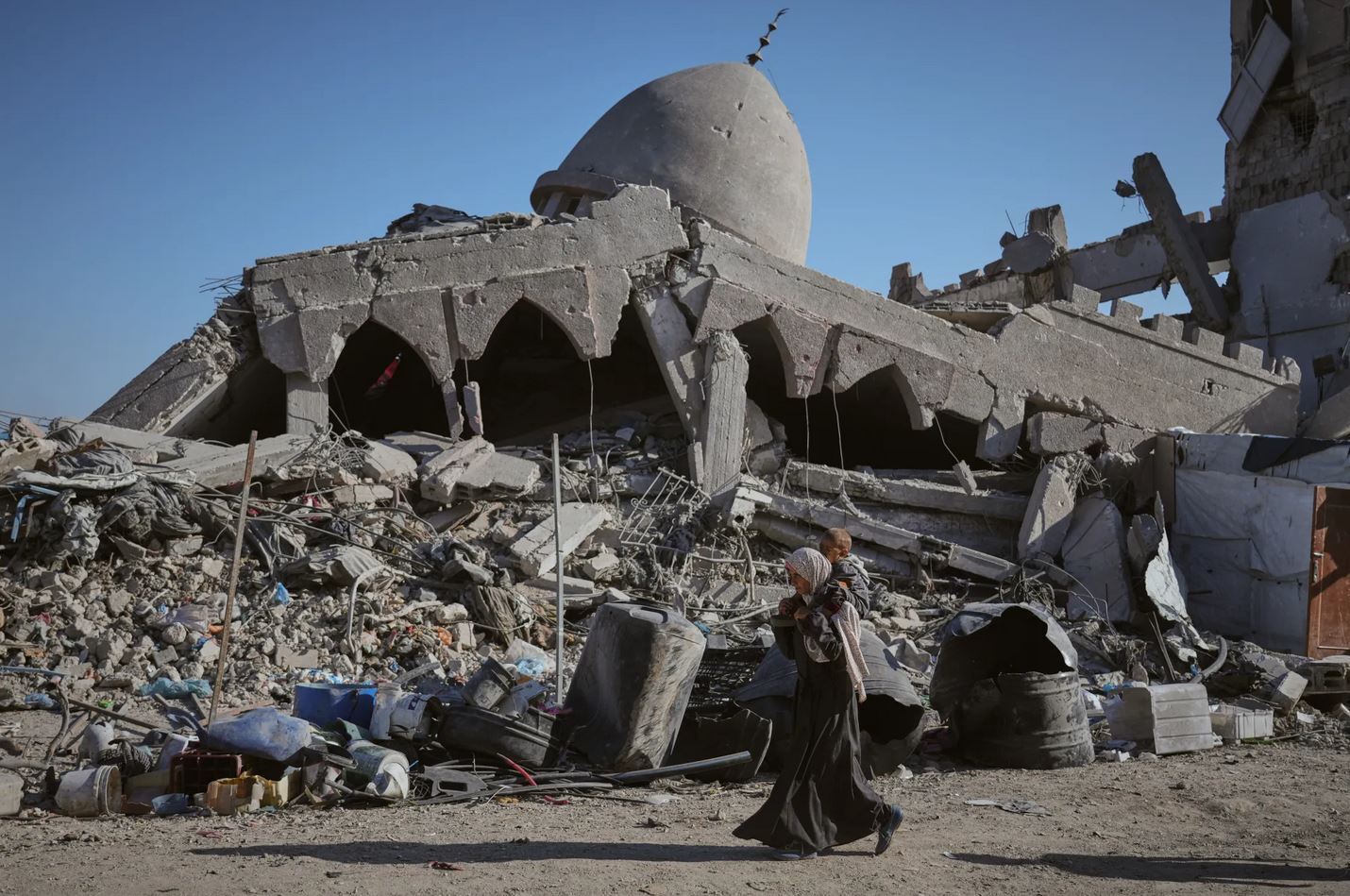
Among religious and historical sites, 890 mosques and 3 churches, along with 205 historical monuments, have been destroyed or damaged.
Despite the ceasefire announced on October 11, Israel has violated it at least 47 times, killing 73 Palestinians in separate attacks, including airstrikes, artillery bombardments, sniper fire, and direct shootings.
Experts emphasize that the ceasefire and the temporary reduction in Israeli military attacks do not signify the end of the genocide. Israeli authorities continue to systematically and deliberately target civilians, maintaining the blockade, closing crossings, and restricting the entry of heavy machinery needed for debris removal and locating the missing. They also impose arbitrary restrictions on the entry of food, humanitarian aid, and medical supplies.