The prisoner who defied time: Mahmoud Issa’s 33-year struggle ends in triumph
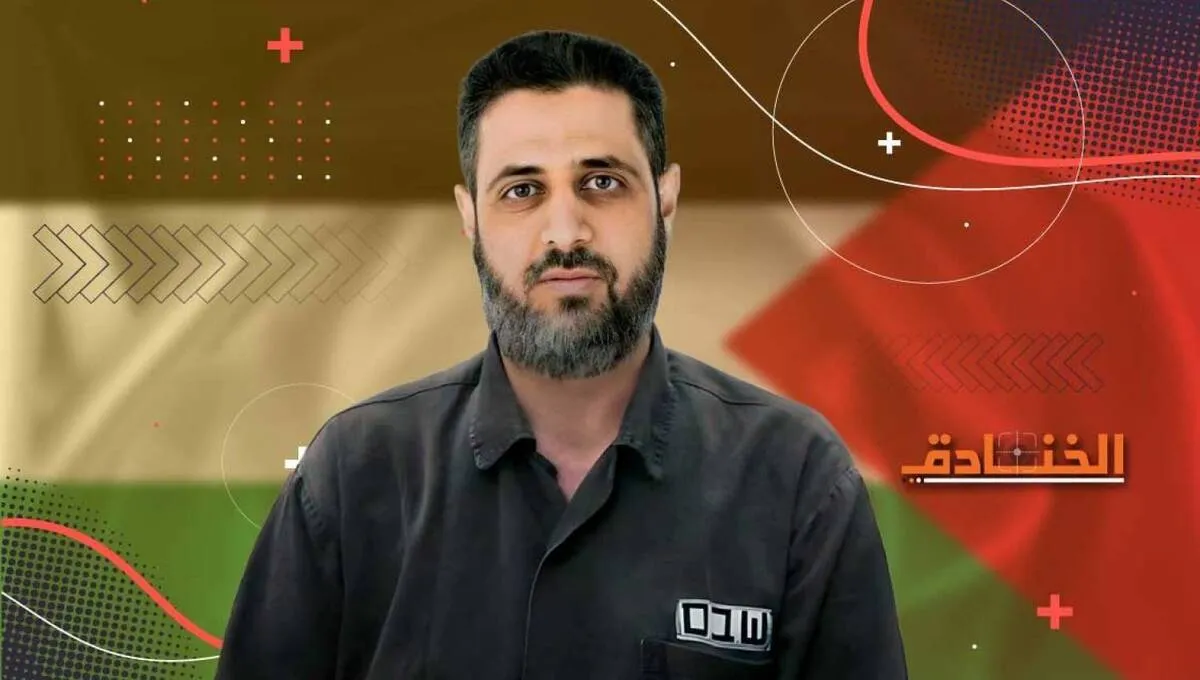
Mahmoud Issa, known as Abu al-Baraa, commander in the al-Qassam Brigades, was captured in 1993. The occupation accused him of founding the first al-Qassam military cell in Jerusalem and holding responsibility for several major resistance operations against Israeli forces and settlers.
An Israeli military court sentenced him to three life sentences plus 46 additional years, effectively ensuring he would never be released.
According to the Palestinian Shehab News Agency, Issa became more than just a prisoner — over the decades, he turned into a historic icon of the prisoners’ movement, recognized as Hamas’s longest-held detainee. His endurance and resistance transformed him into a living symbol of defiance, transcending the prison walls and the long years of isolation.
Years in solitary confinement
During more than a decade in solitary confinement, Mahmoud Issa endured extreme psychological and physical hardship but refused to break. He resisted repeated attempts by Israeli authorities to crush his will or silence his influence inside the prisons.
Despite harsh conditions, he continued his educational and spiritual mentorship of other inmates, inspiring a new generation of resistance fighters. Within the confines of his cell, he redefined the meaning of steadfastness — based on awareness, discipline, and collective spirit.

Sources within the prisoners’ movement say the occupation systematically punished and isolated Issa because he was believed to have introduced the strategy of capturing Israeli soldiers to secure the release of Palestinian prisoners. As a result, he was repeatedly transferred, punished, and denied any offers of conditional release — all of which he firmly rejected.
Freedom becoming reality
For decades, Israel has consistently excluded Mahmoud Issa from prisoner exchange lists, fearing the symbolic power his release would have on Palestinian morale.
But this time, the Palestinian resistance insisted on including his name — honoring his long struggle and resilience.
His expected release under Operation al-Aqsa Flood is not merely the liberation of one man; it represents a moral and symbolic victory for the Palestinian resistance and the prisoners’ movement.
The man Israel tried to erase in solitary confinement now returns as a living testament to the failure of oppression, proving that no amount of time can defeat human will.
However, Israeli sources report that the internal security agency Shin Bet (Shabak) has objected to the inclusion of around 100 names on the proposed exchange list, removing 25 senior figures on the grounds of potential “security risks” following their release.