Buried under rubble, lost without a trace: Gaza’s missing people
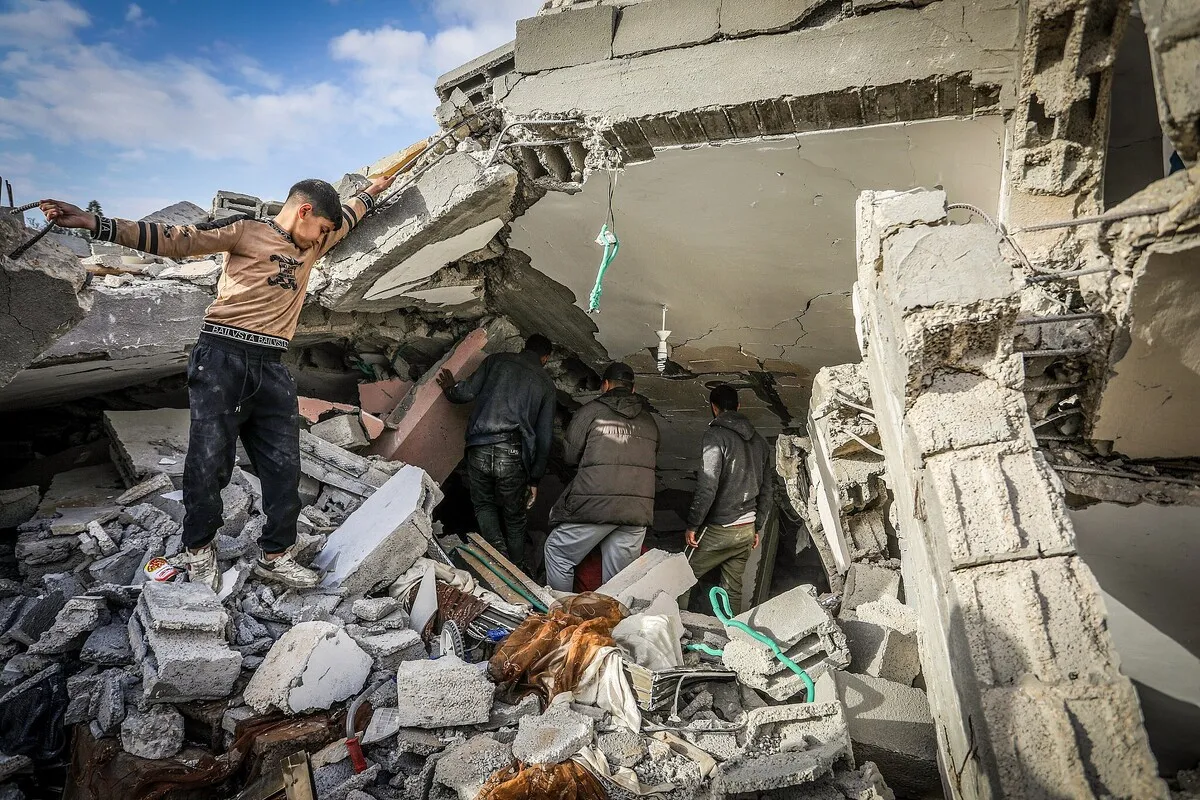
Thousands in Gaza are searching for relatives who have disappeared during one of the most destructive wars in recent decades. Some are buried under collapsed buildings, while others went missing during Israeli military operations.
Katherine Bomberger, Director General of the International Commission on Missing Persons, said that in a war where the exact number of casualties is unknown, no one knows the precise number of missing persons.
According to the Gaza Ministry of Health, relatives of around 6,000 people have reported that their loved ones are still buried under rubble. Zaher Al-Wahidi, head of data at the ministry, said the actual number is likely several thousand higher, as in some cases entire families perished in a single attack and no one was able to report them missing.

Al-Wahidi added that the ministry has separately received reports from families of approximately 3,600 other missing persons whose fates remain unknown. So far, only over 200 cases have been investigated, of which seven were confirmed to be detained by Israel. The rest are not among those identified as deceased or buried under rubble.
The United Nations and many independent experts consider the Gaza Ministry of Health’s figures to be reliable.
Christine Cardone, senior spokesperson for the International Committee of the Red Cross, said that at least 7,000 cases remain unresolved, not including those believed to be buried under rubble.
During the attacks on buildings and the widespread displacement of nearly all 2.3 million residents of Gaza, there were many ways for people to go missing. Hundreds were detained at Israeli checkpoints or captured in attacks without their families’ knowledge.
During Israeli ground assaults, bodies were left in the streets. Palestinians approaching Israeli-occupied areas were shot, and their bodies were sometimes found weeks or months later in a decomposed state.
The Israeli army has seized an unknown number of bodies, claiming they were searching for settlers held in Gaza or identifying Palestinians as resistance fighters. The army has returned several hundred unidentified bodies to Gaza, where they were buried in unmarked mass graves.
Bomberger said that investigating the missing requires advanced DNA technology, samples from families and unidentified bodies, and aerial imagery to locate burial sites and mass graves. She described the effort as “extremely massive.”
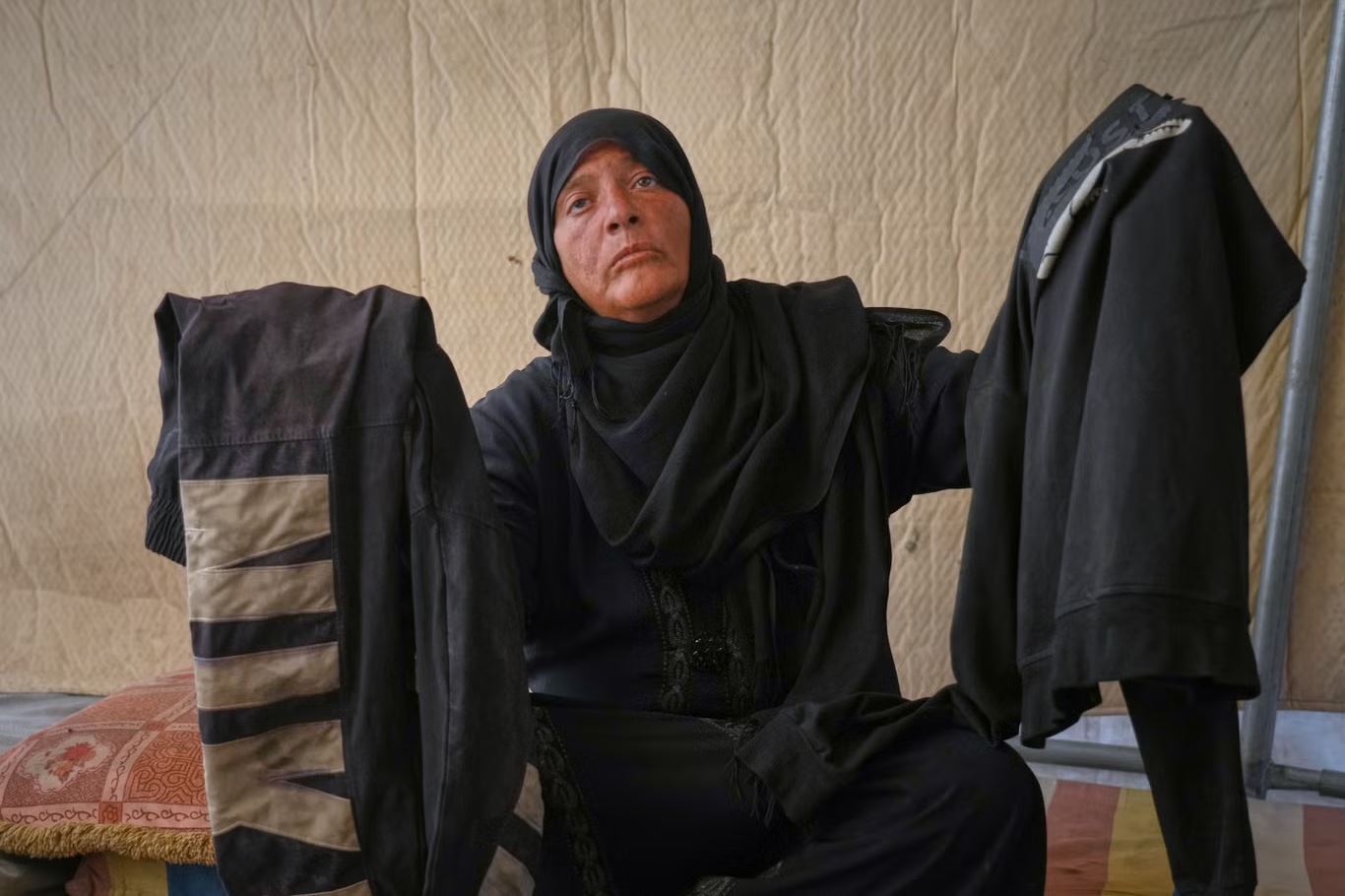
However, Bomberger and the Gaza Ministry of Health stated that Israel has restricted the entry of DNA testing equipment into Gaza.
The Director General of the International Commission on Missing Persons emphasized that locating missing individuals is the responsibility of Israel as the occupying power. She added that it depends on the political will of Israeli authorities to take action.
Human rights groups say that Israel routinely makes hundreds of Palestinians disappear from Gaza, detaining them without charge or trial, often without contact with the outside world.
Israel does not publicly disclose the number of detainees. One human rights group obtained records indicating that by September, 2,662 Palestinians from Gaza were held in Israeli prisons, with several hundred more detained in military facilities.
Human rights organizations, the UN, and detainees have reported widespread abuse and torture in these facilities.
As Gaza continues to be destroyed by Israeli bulldozers, families are forced to search through rubble themselves, hoping even to recover the bones of their lost loved ones. Meanwhile, aid workers have largely been unable to access areas repeatedly targeted by attacks, raids, and ground assaults, now under Israeli military control.