Trump’s architect of power: How Russell Vought is redefining the presidency
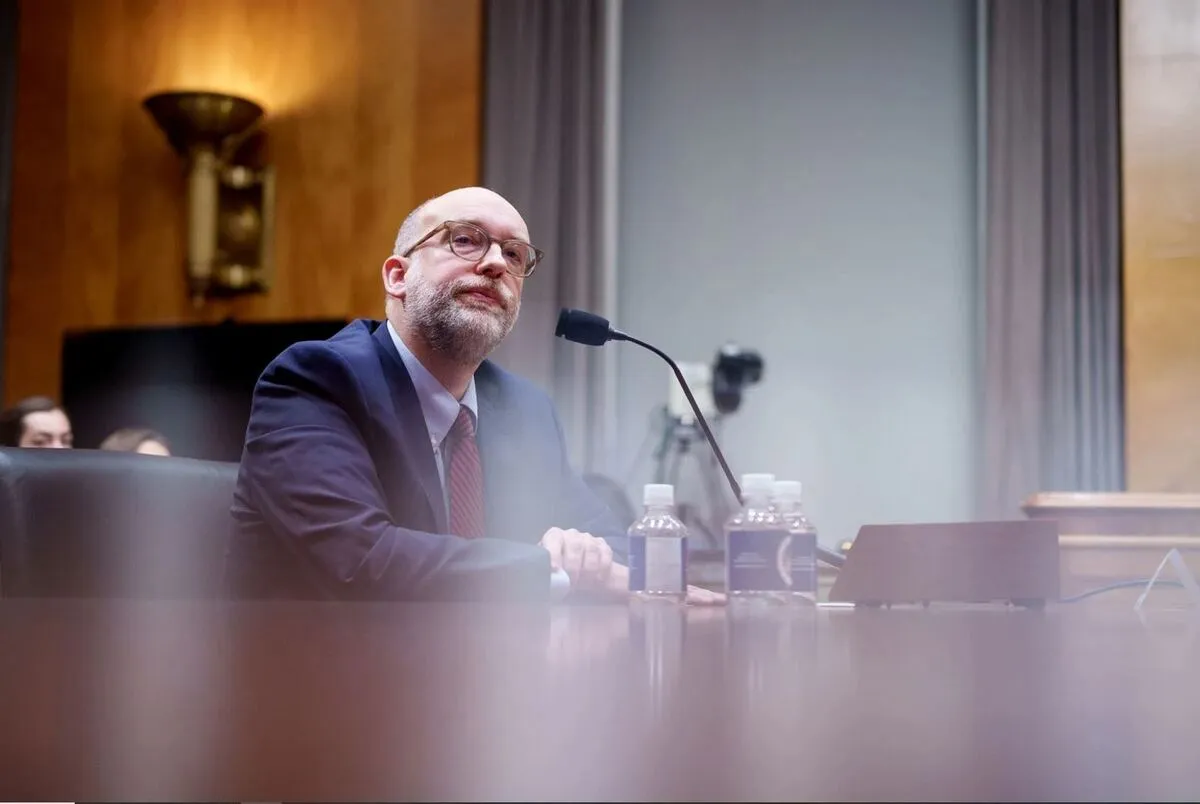
Working from an old rowhouse near the Capitol, he coordinated with other Trump loyalists to draft detailed blueprints for increasing executive control over spending, staffing, independent agencies, and regulations.
According to New York Times, Vought’s vision is rooted in conservative principles and a deep belief that the federal bureaucracy has grown too large and unaccountable. He aims to give the president broad authority to cut off spending, fire employees, control independent agencies, and deregulate the economy.
His efforts reflect a long-term strategy to remake the presidency block by block, restoring powers that have been weakened since the Nixon administration and ensuring that future administrations cannot easily restore the agencies he targets.
Controversial tactics
Since Trump’s return to political influence, Vought has begun putting his plans into action. He has leveraged moments of government funding crises to push mass agency cuts and employee purges, warning federal agencies to prepare for significant layoffs unless Congress agrees to funding compromises.
His office has pressed lawmakers to cancel billions in foreign aid and public broadcasting funds, achieving unusual congressional concessions to White House priorities.
Vought has led efforts to erase hundreds of regulations affecting the environment, health, transportation, and labor safety. He has asserted White House authority over independent agencies like the Federal Reserve and pushed executive orders requiring these agencies to submit regulatory actions for presidential approval. As acting head of the Consumer Financial Protection Bureau, he temporarily halted nearly all agency work and sought to fire 90 percent of staff, highlighting his willingness to use administrative power to reshape the federal workforce.
At the core of his strategy is a deliberate challenge to Congress’s power over federal spending. Vought has promoted the “pocket rescission,” a legally untested maneuver that would allow the president to cancel billions in federal spending without congressional approval, setting up a potential Supreme Court showdown. Legal scholars warn that these moves threaten the traditional checks and balances of American democracy, undermining Congress’s constitutional authority and expanding executive power to unprecedented levels.
MAGA loyalist
Vought, described by some Trump allies as “MAGA’s Bulldog,” has long been a disciplined executor of conservative policy goals. His work reflects a combination of meticulous policy planning and ideological commitment, drawing on his background in fiscal conservatism and experience working with Tea Party Republicans in the House. He views federal agencies as overly bureaucratic and believes they must be subordinated to elected leadership.
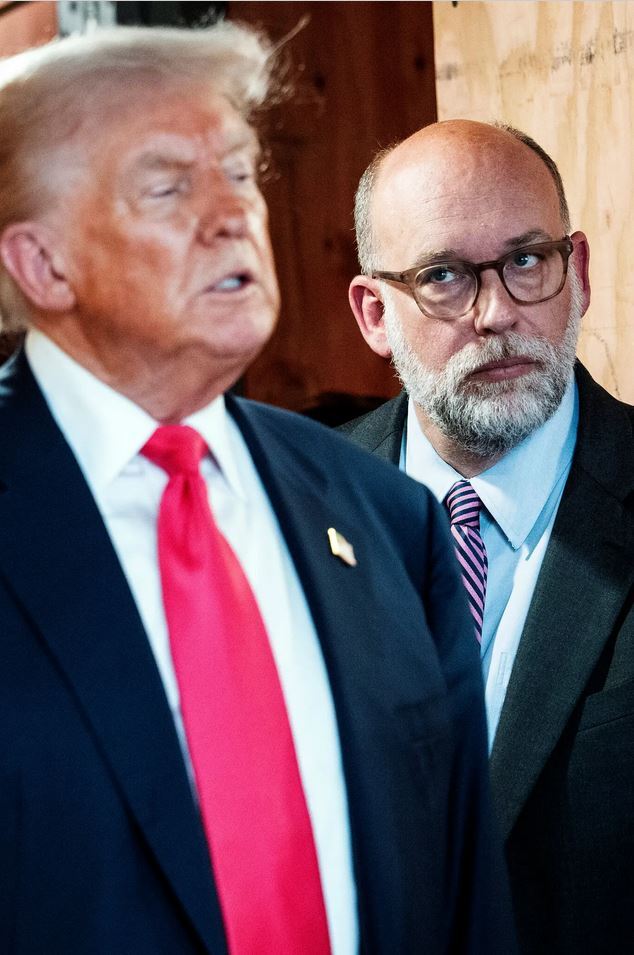
He has criticized multiple government institutions, claiming the Department of Education promotes “woke” ideology, the Federal Reserve has been “wrong for decades,” and agencies like the IRS actively pursue policies he sees as harming ordinary Americans. By weakening these agencies, Vought intends to prevent them from reconstituting themselves in future administrations.
Friends and associates emphasize that Vought’s approach is methodical: he is preparing legal, administrative, and budgetary groundwork to permanently increase presidential authority. His efforts are aimed not only at supporting Trump’s political agenda but also at establishing structural changes that could endure long after the current administration.
While Vought himself emphasizes efficiency and executive accountability, critics warn that his tactics, if successful, could reshape American governance in ways that significantly diminish the balance of power between the executive and legislative branches. For Vought, the goal is clear: a presidency with far-reaching authority, capable of bypassing congressional approval, controlling federal agencies, and centralizing decision-making in the White House.