تنگه هرمز؛ از حق حاکمیت ایران تا اخذ هزینه خدمات دریانوردی
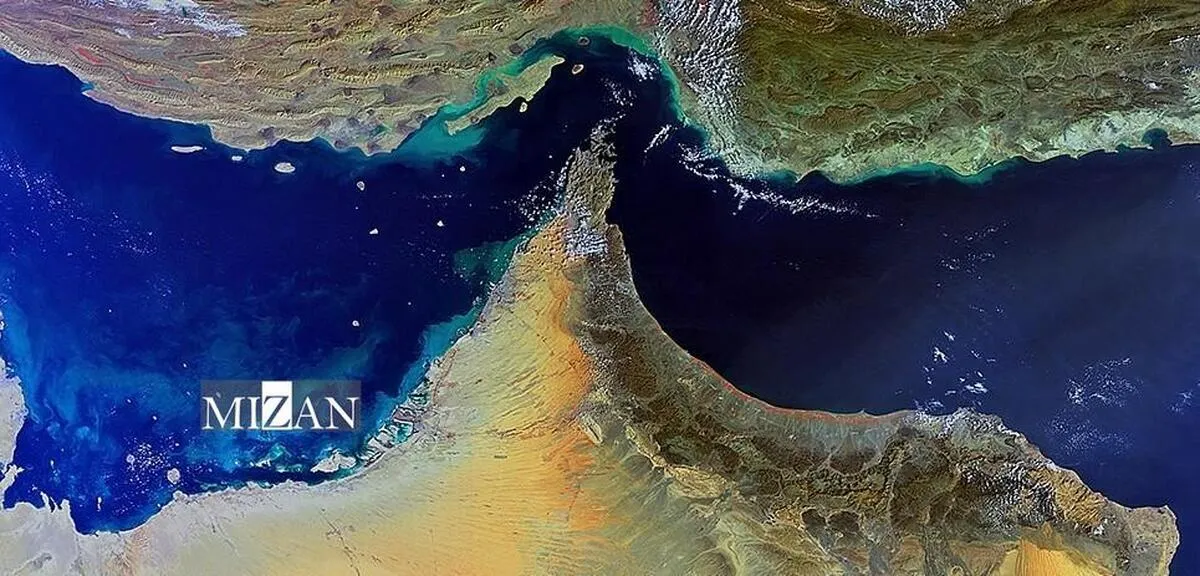
تنگه هرمز و تردد ایمن در آن درپی تجاوز نظامی آمریکا و رژیم صهیونیستی به ایران در فوریه، به کانون بحثهای مربوط وارد شده است؛ در همین رابطه، امیر بیپروا، استادیار حقوق بینالمللی در یادداشتی برای خبرگزاری میزان با عنوان «تنگه هرمز؛ از حق حاکمیت ایران تا اخذ هزینه خدمات دریانوردی» نوشت:
تنگه هرمز تنها یک گذرگاه جغرافیایی نیست، یکی از حساسترین نقاط اتصال حقوق بینالملل، امنیت منطقهای و اقتصاد جهانی است؛ بخش قابل توجهی از انرژی جهان از این مسیر عبور میکند و همین واقعیت، جایگاه ایران و عمان را بهعنوان دولتهای ساحلی این تنگه به موقعیتی راهبردی و تعیینکننده تبدیل کرده است؛ از این منظر، بحث درباره حقوق قانونی ایران در تنگه هرمز، نه یک موضوع صرفا سیاسی، بلکه مسئلهای بنیادین در چارچوب حقوق دریاها، امنیت بینالمللی و حق حاکمیت دولتهاست.
نکته اساسی آن است که جمهوری اسلامی ایران عضو کنوانسیون ۱۹۸۲ حقوق دریاها، موسوم به کنوانسیون مونتهگو بی، نیست و از همین رو، رژیم «عبور ترانزیت» را که در آن کنوانسیون پیشبینی شده است، بهعنوان یک تعهد قراردادی برای خود نمیپذیرد؛ در نگاه حقوقی ایران، مقررات کنوانسیون ۱۹۵۸ ژنو درباره دریای سرزمینی و منطقه مجاور، همچنان مبنای اصلی تحلیل وضعیت تنگه هرمز است؛ بر این اساس، عبور کشتیها از این تنگه در چارچوب «عبور بیضرر» قابل ارزیابی است؛ عبوری که باید با صلح، نظم و امنیت دولت ساحلی سازگار باشد.
از همین زاویه، ایران میتواند در شرایط خاص امنیتی، جنگی یا تهدید جدی علیه امنیت دریانوردی، نسبت به محدودسازی یا حتی تعلیق موقت عبور اقدام کند؛ چنین اقدامی، اگر با هدف حفظ امنیت، جلوگیری از خطر برای جان انسانها، پیشگیری از آسیب به تجهیزات دریانوردی و دفاع از حاکمیت ملی صورت گیرد، میتواند در چارچوب حقوق دولت ساحلی و اصل دفاع مشروع تحلیل شود؛ همانگونه که در شرایط جنگی، تعلیق پروازهای غیرنظامی برای حفظ جان مسافران اقدامی مسئولانه محسوب میشود، مدیریت و محدودسازی عبور دریایی در یک منطقه پرتنش نیز میتواند با منطق پیشگیری از خطر توجیه شود.
تلاشهای سیاسی آمریکا برای تبدیل اقدامهای ایران در تنگه هرمز به یک پرونده امنیتی علیه تهران نیز نشان داده است که این موضوع از نظر حقوقی به سادگی قابل مصادره علیه ایران نیست؛ هنگامی که واشنگتن میکوشد رفتار ایران را ذیل فصل هفتم منشور ملل متحد قرار دهد، با این مانع روبهرو میشود که دولت ساحلی در برابر تهدیدهای واقعی علیه امنیت خود، از حقوق ذاتی و شناختهشدهای برخوردار است؛ از همین رو، مخالفت یا بیمیلی برخی قدرتها نسبت به محکومیت ایران، تنها یک موضع سیاسی نیست، بلکه میتواند نشانهای از دشواری حقوقیِ نادیده گرفتن موقعیت خاص ایران در تنگه هرمز باشد.
موضوع مهم دیگر، مشروعیت اخذ عوارض در قبال خدمات دریانوردی است؛ براساس منطق حقوق دریاها، دولت ساحلی میتواند در برابر خدمات واقعی و مشخص دریانوردی، ازجمله تامین امنیت، کنترل ترافیک دریایی، خدمات راهنمایی، امداد، لایروبی، حفاظت زیستمحیطی و پشتیبانی لجستیکی، عوارض یا هزینه خدمات دریافت کند؛ این قاعده در بسیاری از گذرگاهها و آبراهههای مهم جهان نیز به اشکال مختلف مشاهده میشود: از کانال سوئز و پاناما تا نظامهای خاص حاکم بر برخی تنگههای راهبردی.
تنگه هرمز نیز از این قاعده مستثنا نیست؛ عبور روزانه کشتیهای نفتکش، تجاری و نظامی از این مسیر، هزینههای امنیتی، زیستمحیطی و فنی سنگینی بر کشورهای ساحلی تحمیل میکند؛ ایران و عمان، بهعنوان دولتهای ساحلی، مسئولیت مستقیم در حفظ نظم، ایمنی و امنیت این منطقه دارند؛ بنابراین، طرح ایده اخذ عوارض در برابر خدمات واقعی دریانوردی، نه اقدامی خارج از حقوق بینالملل، بلکه تلاشی برای متوازنسازی منافع عبورکنندگان با هزینههایی است که بر دولتهای ساحلی تحمیل میشود.
- بیشتر بخوانید:
- ایروانی: اقدامات ایران در تنگه هرمز قانونی و منطبق با حقوق بین الملل است
- ترافیک دیپلماسی در تهران؛ مذاکرات ایران و آمریکا به کجا رسید؟
از سوی دیگر، اهمیت تنگه هرمز فقط در قواعد حقوقی خلاصه نمیشود؛ جغرافیای منطقه، ظرفیتهای بومی، موقعیت جزایر، سواحل جنوبی ایران و توان محلی در کنترل و پایش مسیرهای دریایی، همگی نشان میدهد که امنیت این تنگه بیش از آنکه محصول حضور قدرتهای فرامنطقهای باشد، به اراده و توان کشورهای ساحلی وابسته است؛ تجربههای اخیر نیز نشان داده که اتکای صرف به دکترین نظامی قدرتهای بزرگ، نمیتواند واقعیت ژئوپلیتیکی منطقه را تغییر دهد؛ تنگه هرمز در نهایت، منطقهای است که امنیت آن باید بر پایه احترام به حاکمیت دولتهای ساحلی و ملاحظات واقعی منطقهای تنظیم شود.
در همین چارچوب، تامل ایران در پیوستن به برخی اسناد بینالمللی مانند کنوانسیون ۱۹۸۲ حقوق دریاها، یا حتی در حوزههایی مانند FATF و دیوان بینالمللی کیفری، از منظر منافع ملی قابل فهم است؛ هر تعهد بینالمللی، در کنار مزایای احتمالی خود، میتواند محدودیتها و اهرمهای فشار جدیدی نیز ایجاد کند؛ بنابراین، سیاست احتیاط در پذیرش تعهدات بینالمللی، بهویژه در حوزههایی که مستقیما با امنیت ملی و حاکمیت سرزمینی گره خوردهاند، میتواند بخشی از یک راهبرد حقوقی و سیاسی سنجیده باشد.
امروز تنگه هرمز بار دیگر به صحنه تلاقی حقوق، قدرت و امنیت تبدیل شده است؛ ایران میکوشد نشان دهد که نظم حقوقی این منطقه نباید صرفا براساس منافع قدرتهای فرامنطقهای تعریف شود، بلکه باید بر پایه حقوق دولتهای ساحلی، امنیت جمعی، عدالت در توزیع هزینهها و احترام به حاکمیت ملی بازخوانی گردد؛ از این منظر، تنگه هرمز تنها مسیر عبور نفت و کالا نیست، نمادی از این پرسش بزرگتر است که آیا حقوق بینالملل باید ابزار فشار قدرتهای بزرگ باشد یا چارچوبی برای تنظیم عادلانه منافع دولتها؟
پاسخ روشن است امنیت در تنگه هرمز فقط با احترام به حقوق ایران ممکن است.
متن انگلیسی این یادداشت به شرح زیر است:
The Strait of Hormuz: From Iran’s Sovereign Rights to the Collection of Maritime Service Fees
The Strait of Hormuz is not merely a geographical passage; it is one of the most sensitive points where international law, regional security, and the global economy intersect. A significant portion of the world’s energy passes through this route, and this reality gives Iran and Oman, as the coastal states of the strait, a strategic and decisive position. From this perspective, the discussion of Iran’s legal rights in the Strait of Hormuz is not merely a political issue, but a fundamental question within the framework of the law of the sea, international security, and the sovereign rights of states.
The essential point is that the Islamic Republic of Iran is not a party to the 1982 United Nations Convention on the Law of the Sea, known as the Montego Bay Convention, and therefore does not accept the regime of “transit passage” provided for in that Convention as a treaty obligation binding upon it. From Iran’s legal perspective, the provisions of the 1958 Geneva Convention on the Territorial Sea and the Contiguous Zone remain the main basis for analysing the legal status of the Strait of Hormuz. Accordingly, the passage of ships through this strait may be assessed within the framework of “innocent passage”; a form of passage that must be compatible with the peace, order, and security of the coastal state.
From this standpoint, Iran may, under special security conditions, in times of war, or in the face of a serious threat to maritime security, take measures to restrict or even temporarily suspend passage. If such measures are adopted with the aim of preserving security, preventing risks to human life, protecting navigational equipment, and defending national sovereignty, they may be analysed within the framework of the coastal state’s rights and the principle of self-defence. Just as, in wartime conditions, the suspension of civilian flights in order to protect passengers’ lives is regarded as a responsible measure, the management and restriction of maritime passage in a highly tense region may likewise be justified by the logic of risk prevention.
The political efforts of the United States to turn Iran’s actions in the Strait of Hormuz into a security case against Tehran have also shown that this issue cannot easily be appropriated against Iran from a legal standpoint. When Washington seeks to place Iran’s conduct under Chapter VII of the United Nations Charter, it faces the obstacle that a coastal state enjoys inherent and recognised rights in the face of real threats to its security. For this reason, the opposition or reluctance of some powers to condemn Iran is not merely a political position; it may also indicate the legal difficulty of disregarding Iran’s special position in the Strait of Hormuz.
Another important issue is the legitimacy of collecting fees in return for maritime services. According to the logic of the law of the sea, a coastal state may collect fees or service charges in return for real and specific maritime services, including the provision of security, maritime traffic control, pilotage services, rescue operations, dredging, environmental protection, and logistical support. This rule can also be observed, in various forms, in many of the world’s major passages and waterways, from the Suez and Panama Canals to the special regimes governing certain strategic straits.
The Strait of Hormuz is not exempt from this logic. The daily passage of oil tankers, commercial vessels, and military ships through this route imposes significant security, environmental, and technical costs on the coastal states. Iran and Oman, as the coastal states, bear direct responsibility for maintaining order, safety, and security in this area. Therefore, the idea of collecting fees in return for actual maritime services is not an act outside international law, but rather an attempt to balance the interests of those who pass through the strait with the costs imposed on the coastal states.
On the other hand, the significance of the Strait of Hormuz is not limited to legal rules. The geography of the region, local capacities, the position of the islands, Iran’s southern coasts, and local capabilities in controlling and monitoring maritime routes all demonstrate that the security of this strait depends more on the will and capacity of the coastal states than on the presence of extra-regional powers. Recent experiences have also shown that mere reliance on the military doctrines of great powers cannot alter the geopolitical realities of the region. Ultimately, the Strait of Hormuz is an area whose security must be regulated on the basis of respect for the sovereignty of coastal states and the real considerations of the region.
Within this framework, Iran’s cautious approach toward joining certain international instruments, such as the 1982 United Nations Convention on the Law of the Sea, or even in areas such as the FATF and the International Criminal Court, can be understood from the perspective of national interests. Every international obligation, alongside its possible advantages, may also create new limitations and instruments of pressure. Therefore, a policy of caution in accepting international commitments, especially in areas directly connected to national security and territorial sovereignty, may form part of a measured legal and political strategy.
Today, the Strait of Hormuz has once again become a stage where law, power, and security intersect. Iran seeks to demonstrate that the legal order of this region should not be defined solely on the basis of the interests of extra-regional powers, but should instead be reinterpreted on the basis of the rights of coastal states, collective security, fairness in the distribution of costs, and respect for national sovereignty. From this perspective, the Strait of Hormuz is not only a route for the passage of oil and goods; it is a symbol of a larger question: should international law serve as an instrument of pressure in the hands of great powers, or as a framework for the fair regulation of states’ interests?
The answer is clear: security in the Strait of Hormuz is possible only through respect for Iran’s rights.
انتهای پیام/

