Official launch of the Russia–Iran strategic partnership treaty
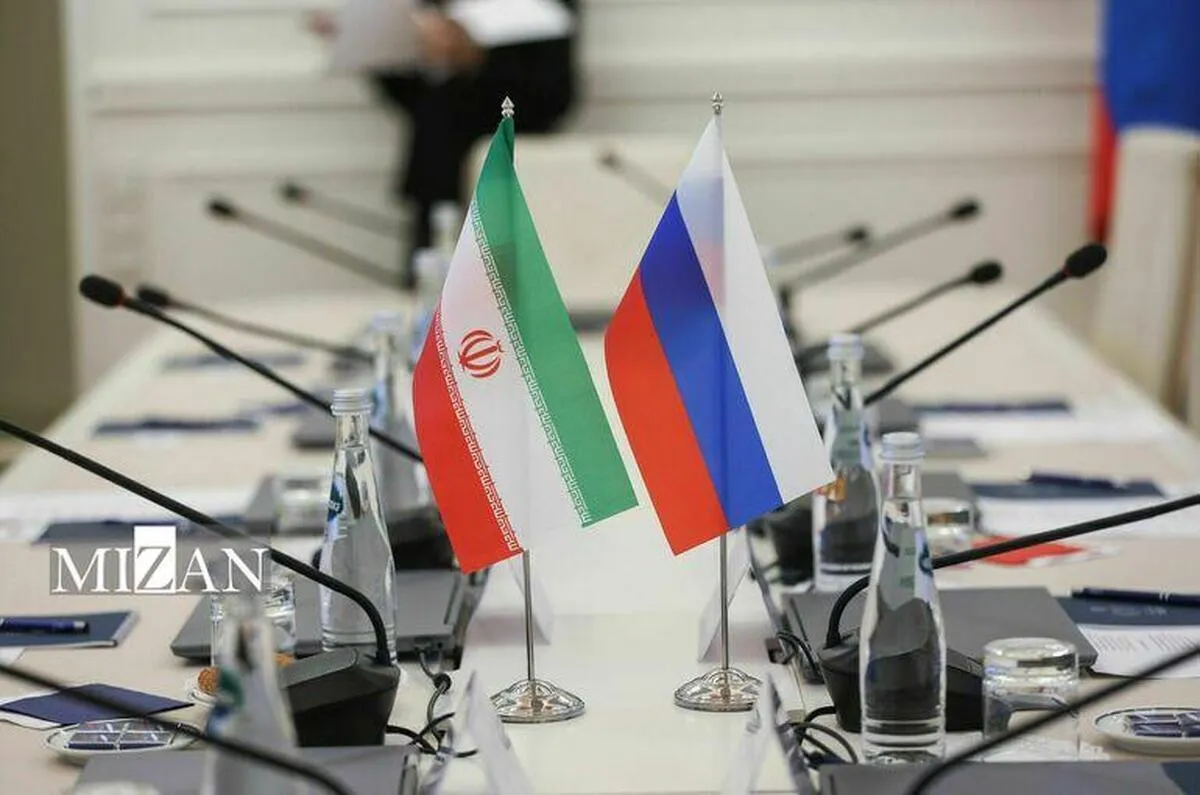
Russia’s Ministry of Foreign Affairs announced today that the Comprehensive Strategic Partnership Treaty between Moscow and Tehran, designed to strengthen bilateral relations in line with the fundamental interests of both nations, has officially entered into force as of October 2.
Mizan -
The Comprehensive Strategic Partnership Treaty, which Russia says formally came into effect today, was signed by the presidents of both countries on January 17, 2025, during Masoud Pezeshkian’s visit to Russia.
In today’s statement, the Russian Foreign Ministry described the treaty’s enforcement as “an important milestone in the history of bilateral relations, elevating them to a qualitatively new level of comprehensive strategic partnership.”
According to the Russian statement, the key provisions of the agreement are as follows:
- Both parties commit to deepening and expanding cooperation across all areas of mutual interest.
- Moscow and Tehran agreed to maintain trade and economic cooperation and to closely collaborate in conducting joint military exercises. If one party is subjected to aggression, the other party must not assist the aggressor.
- Neither country will allow its territory to be used in support of separatist movements threatening their territorial integrity.
- Both sides oppose the imposition of sanctions, deeming them illegal under international law. They pledge not to join third-party restrictions against each other and guarantee not to employ unilateral coercive measures.
- Moscow and Tehran agreed to enhance media cooperation to counter misinformation and negative propaganda.
- The two countries will assist each other in preventing natural and man-made disasters and will cooperate to establish an independent payment infrastructure free from reliance on third countries.
- A gas pipeline from Russia to Iran will pass through Azerbaijan, with negotiations ongoing regarding pricing mechanisms.
- Moscow and Tehran expressed interest in joint projects in the field of peaceful nuclear energy, including the construction of nuclear power plants.
- Both sides will cooperate in combating international terrorism and addressing other threats and challenges.
The treaty is valid for 20 years and will be automatically extended for an additional five years upon expiration.
Submit Comment
Write Your Opinion
Your email address will not be published. The required sections are marked *