Partial release of Epstein files sparks renewed controversy in Washington
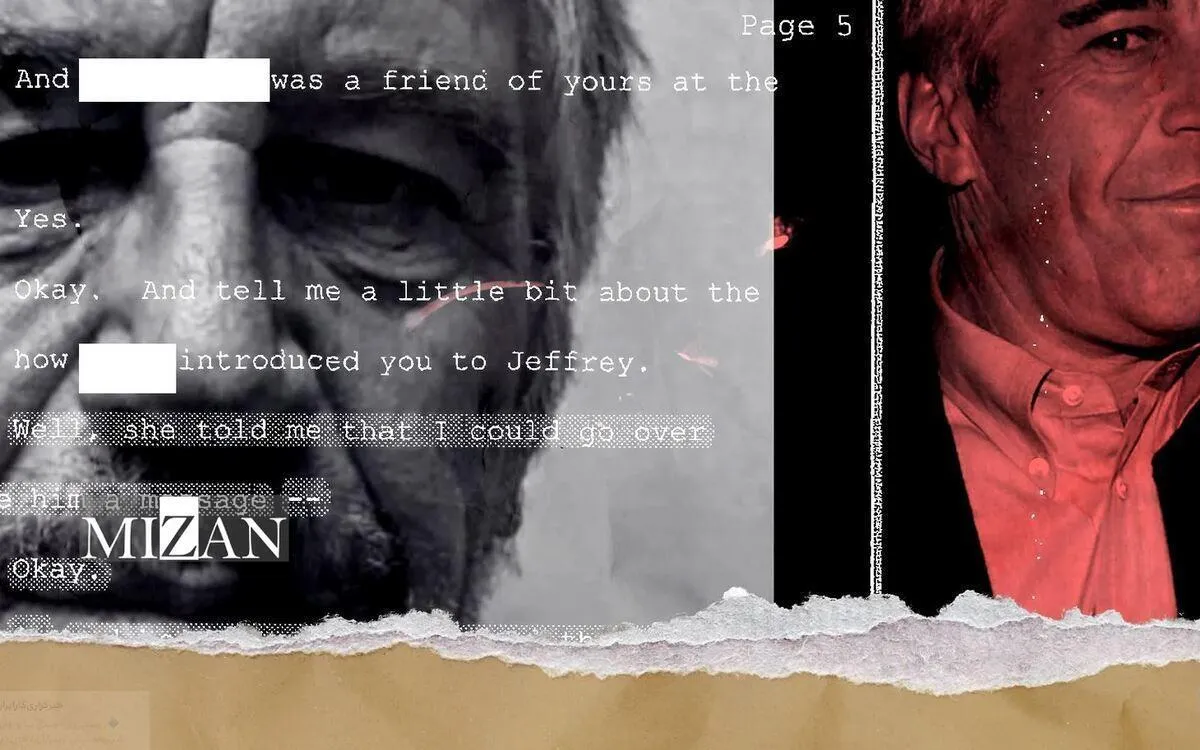
The U.S. Department of Justice has begun publishing a portion of the documents related to the documented life and crimes of Jeffrey Epstein, the American sex offender.
However, the long-awaited release is expected to fall short of a full disclosure of the Epstein file, which is required under a newly passed law.
The documents—containing photos, videos, and investigative materials—were highly anticipated following the passage of legislation by the U.S. Congress mandating the full release of the files by Friday, December 19. Nevertheless, the Department of Justice acknowledged that it would not be able to release all of the documents by the specified deadline.

Previously, Todd Blanche, the U.S. Deputy Attorney General, had warned that the release of some documents would be delayed in order to protect the privacy of Epstein’s sex-trafficking victims.
Blanche told Fox News: “I expect that over the next few weeks we will release more documents. So today, several hundred thousand, and then over the next few weeks, I expect several hundred thousand more to be released.”
Despite this, the announcement has sparked anger and the possibility of a strong reaction from the U.S. Congress.
Ro Khanna, a Democratic member of the U.S. House of Representatives, said: “It’s disappointing that they were unable to release these documents on time and in accordance with the law.
“While it’s clear that they are at least trying to meet the deadline, they should have been able to do more.”
Congress had set a 30-day deadline for the full release of the investigative file when it passed the Epstein Files Transparency Act in November.
The law required the U.S. Department of Justice to make all non-classified records, documents, communications, and investigative materials in its possession publicly available in a searchable and downloadable format.
Friday’s release on the Department of Justice website included a search bar that promised access to the complete Epstein document library.
However, social media users complained that there was a queue to access the Justice Department’s website and that the search tool failed to display results for key terms related to the case.
Viewers also noted that much of the newly released material consisted of pages that were heavily redacted.
Ro Khanna said: “At first, when Todd Blanche said hundreds of thousands of documents would be released, I was encouraged. So far, I haven’t seen anything new.”
Khanna and Republican Representative Thomas Massie of Kentucky were among the sponsors of the Epstein Files Transparency Act.
Khanna warned that members of the Trump administration could face consequences if the Epstein file is not fully released.

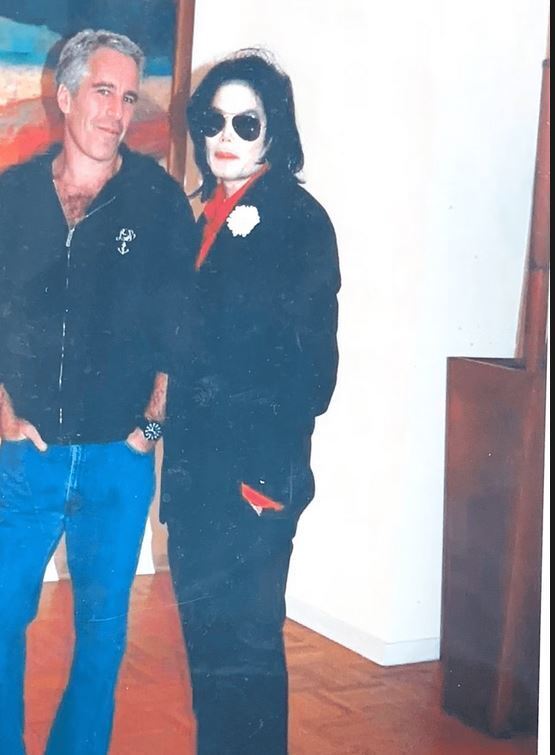
A number of well-known figures appear in the first batch of documents, including former U.S. President Bill Clinton, Andrew Mountbatten-Windsor, and Michael Jackson.
Many of the individuals identified in the files, or in previous Epstein-related disclosures, have denied any wrongdoing.
Among the documents released on Friday, many materials—including police statements, investigative reports, and photographs—were withheld.
More than 100 pages in one file related to a grand jury investigation were completely blacked out.
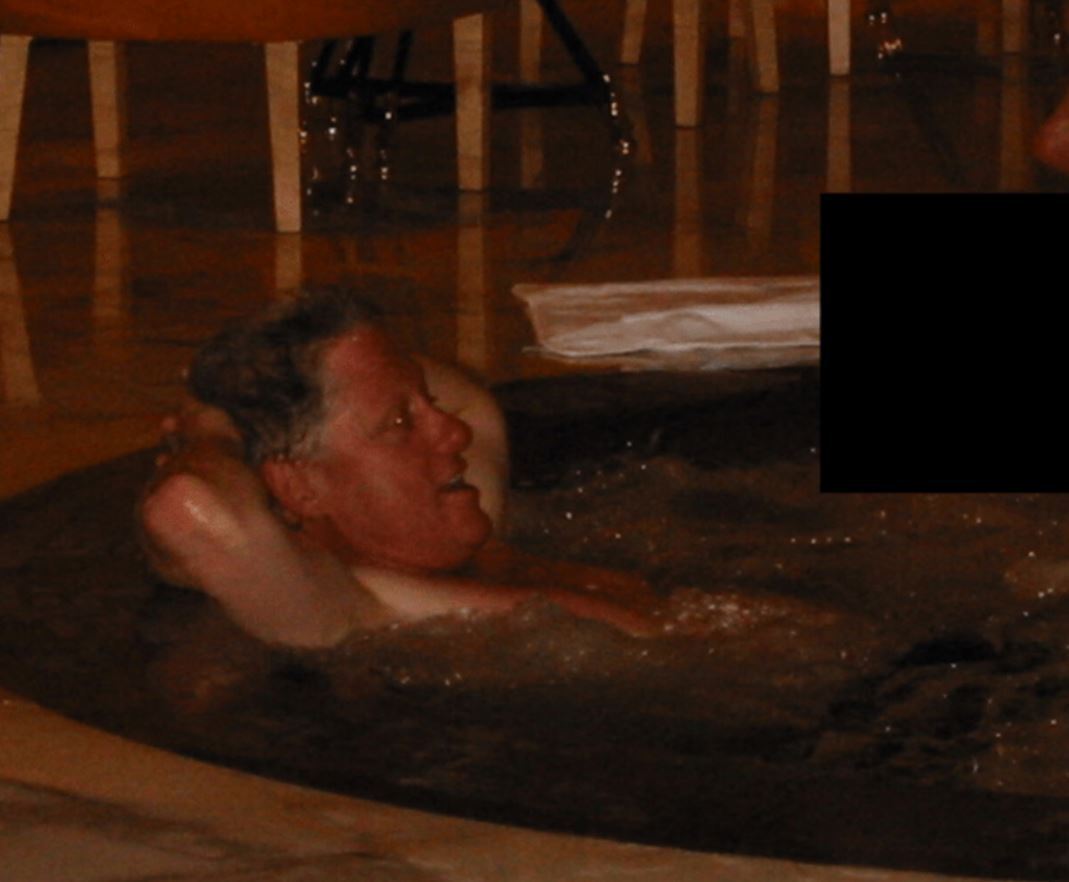
Several released images include Bill Clinton; one image shows him swimming in a pool, while another shows him lying on his back with his hands behind his head in what appears to be a hot tub.
In a portion of the files released by the Department of Justice, court documents make reference to Donald Trump, the President of the United States.
The newly released documents contain the broadest collection of famous individuals ever seen in the Epstein files.
It remains unclear where or when each of these photographs was taken or in what context. It is also unclear whether Epstein had direct contact with all of these figures or whether they participated in these events.