Remarks by the Deputy for Human Rights at the Ministry of Justice regarding the return of Iranian citizens from the U.S. to Iran
Yesterday, an American media outlet reported that the U.S. government had returned several Iranian citizens under its anti-immigration policies.
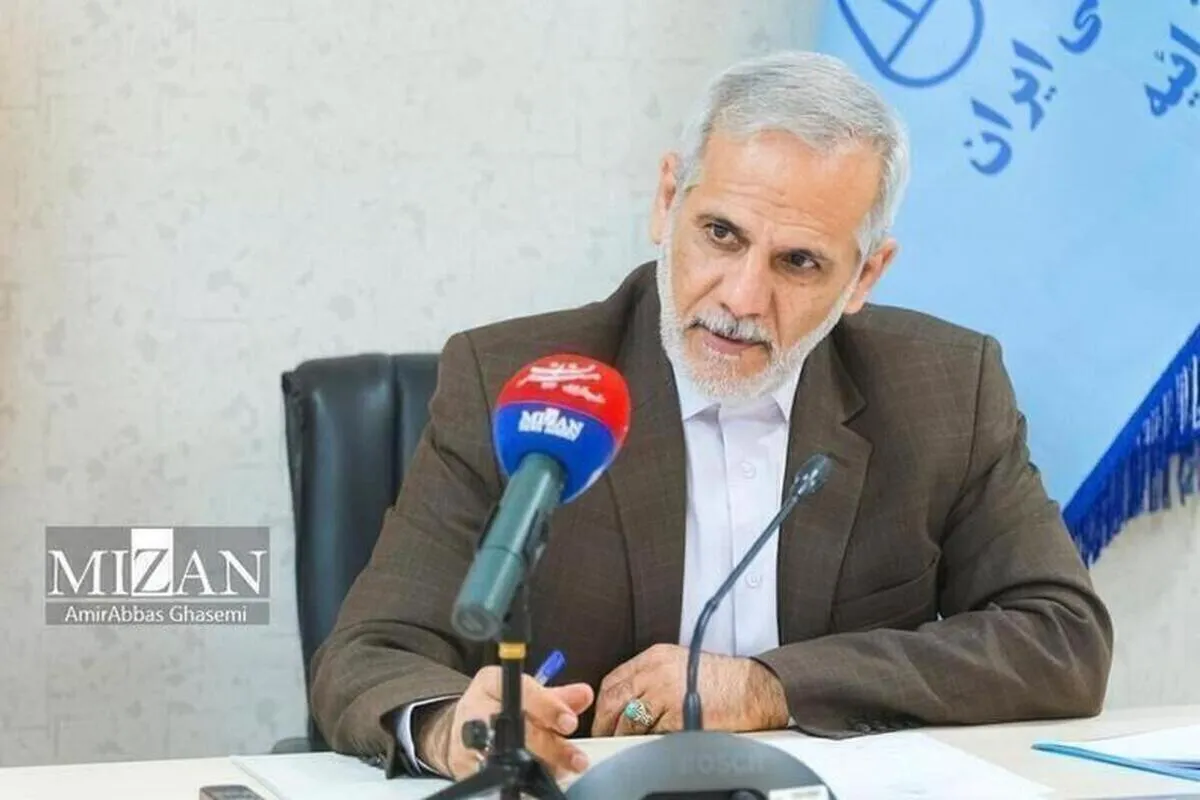
In this regard, Asghar Jalalian, Deputy for Human Rights and International Affairs at the Ministry of Justice, spoke to Mizan News Agency, providing details about the transfer of these Iranian citizens from the U.S. to Iran.
Referring to the efforts of various national institutions to safeguard and uphold the rights of Iranians abroad, Jalalian stated: “The Ministry of Justice, as the custodian of the Secretariat of the Committee for the Transfer of Convicts, is responsible for transferring Iranian convicts from anywhere in the world back to the country. We carry out this task with countries with which we have agreements under the framework of such agreements, and with countries without agreements, we implement the process with the permission of the Head of the Judiciary.”
He further addressed the recent return of Iranian citizens from the United States: “One hundred and fifteen compatriots returned from the U.S., with their flight landing in Tehran from Qatar at 3 a.m. on Wednesday. None of these Iranian citizens are convicted or have pending legal cases. Therefore, their return was not part of the Ministry of Justice’s official missions. However, from a human rights and citizen rights perspective, the Ministry of Justice monitors their cases, and if any legal follow-up is required, it will fulfill its duties accordingly.”
Jalalian added: “The Ministry of Justice believes that Iranians, wherever they are in the world, are citizens of Iran. Regardless of their intentions or reasons for traveling or migrating to any country, they can return to Iran at any time, and the homeland welcomes them.”
He also noted that the Ministry of Foreign Affairs and other relevant institutions coordinated the return of these citizens to Iran. “Responsible institutions will certainly continue to ensure that if any rights of these citizens were violated or infringed upon in the U.S., such matters will be pursued within legal frameworks,” he said.
Responding to reports from Western media concerning the so-called special circumstances of some returning Iranian citizens, Jalalian stated: “Unless a legal case is filed, no investigation is conducted, and no one is prosecuted. We do not intervene in these matters and do not take a position on such claims.”
He further emphasized that even if these Iranian citizens have obtained dual nationality, their Iranian citizenship is recognized under the country’s single-citizenship law. “Holding an Iranian passport ensures that they enjoy all the rights applicable under Iran’s judiciary and executive institutions, and their rights remain protected according to existing laws and regulations,” he said.
Regarding the U.S. government’s actions to return migrants, including the aforementioned Iranian citizens, Jalalian clarified: “This is a matter of domestic law in the United States. We do not intervene in the details of these matters, but we welcome our compatriots with open arms. If any of them feel their rights have been violated, they can bring their concerns to us. The Ministry of Justice, as the custodian of the Consular, Legal, and Judicial Commission of the Supreme Council for Iranians Abroad, and from a legal standpoint within the Ministry, is ready to hear and pursue the claims of these citizens.”