Secretary of the High Council for Human Rights: The International Labour Organization should avoid non-technical and political approaches
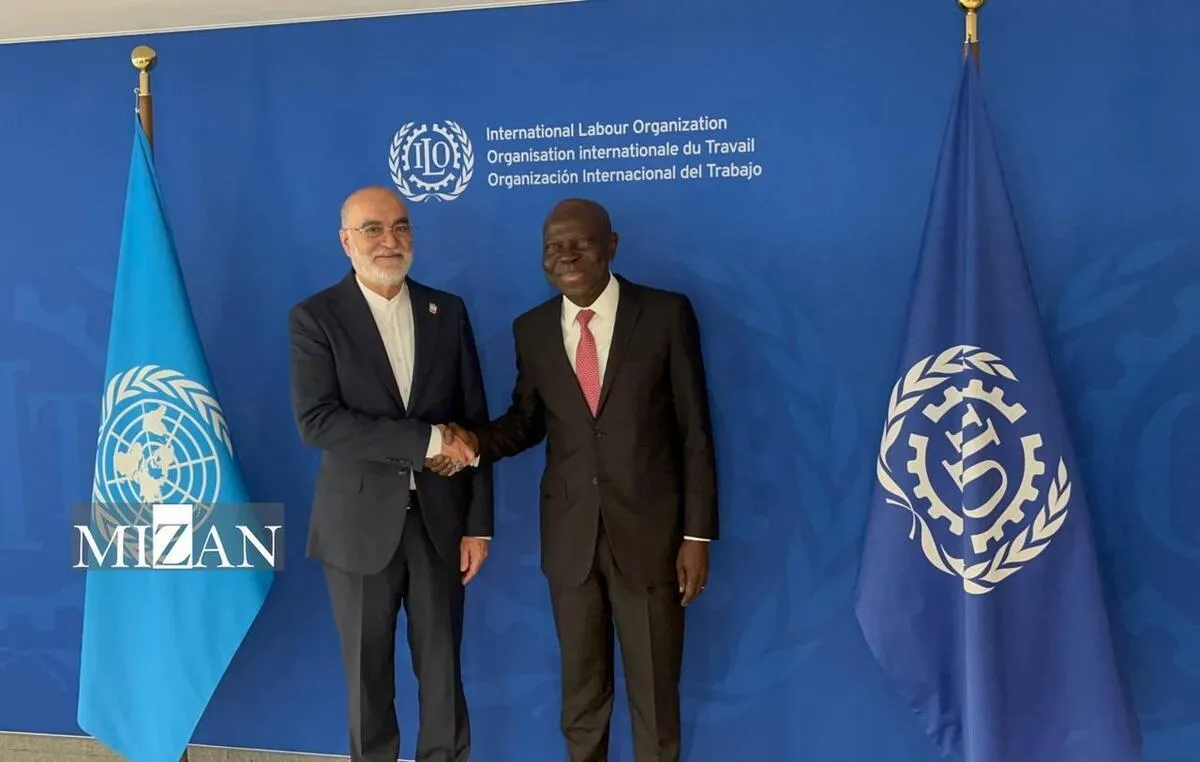
Naser Seraj, Secretary of the High Council for Human Rights and Deputy for International Affairs of the Judiciary, met with Gilbert F. Houngbo, Director-General of the International Labour Organization, during his work program at the 60th session of the UN Human Rights Council.
In the meeting, the Deputy for International Affairs of the Judiciary outlined Iran’s measures in providing legal protections and improving the lives of workers and their families.
He described the more than 40 years of unjust U.S. and Western sanctions as the main cause of economic hardship for millions of Iranian workers and employers, adding: “In the latest inhumane action, we witnessed a 12-day imposed war on Iran by the U.S. and the usurping Zionist regime, which resulted in the martyrdom of more than 1,000 innocent civilians, including women, children, and even workers.”
The Secretary of the High Council for Human Rights added: “During the aggression by the Zionist regime and the U.S. against Iran, many businesses suffered damage, and due to the shutdown of part of the economic sector, families—especially workers—faced serious harm to their livelihoods.”
The head of the Iranian delegation to the 60th session of the UN Human Rights Council criticized Iran’s deprivation from ILO’s technical, advisory, and training assistance, and called for greater compensatory measures from the organization.
He stressed: “We expect the International Labour Organization, as a specialized body, to handle cases in a completely non-political and professional manner.”
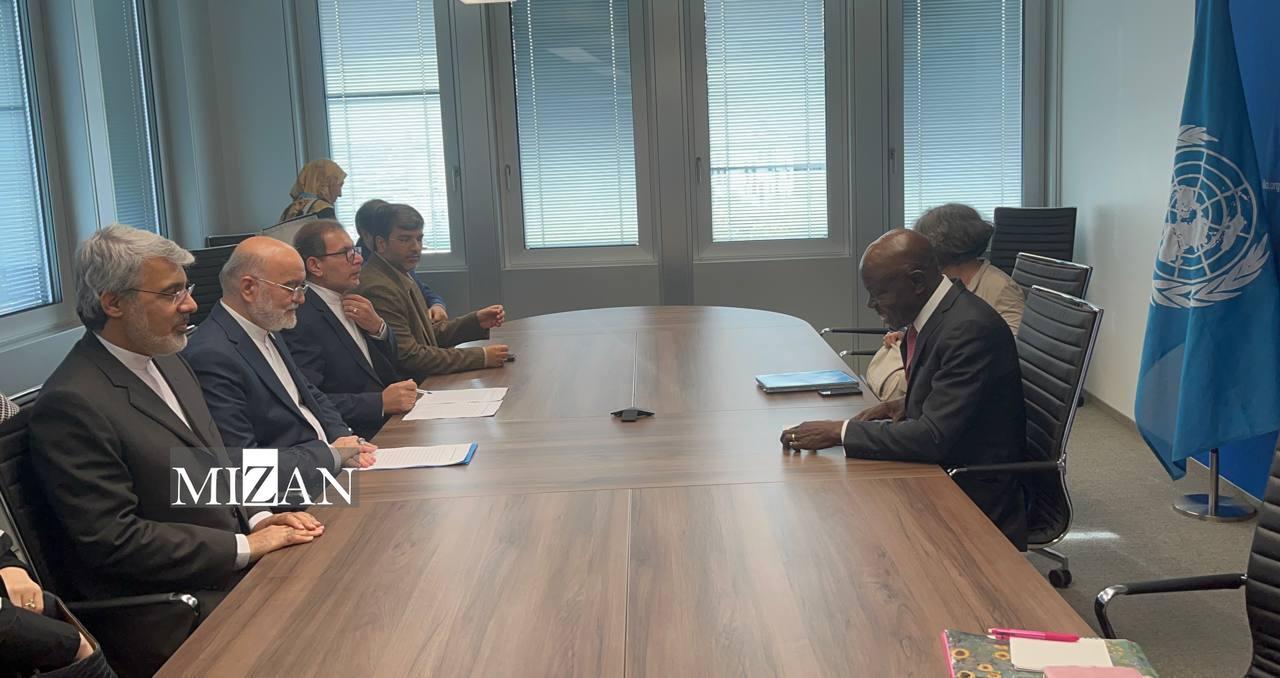
Seraj, in his meeting with the ILO Director-General, once again criticized the denial of technical, advisory, and training support to Iran, and reiterated the call for additional compensatory action by the ILO.
The Deputy for International Affairs of the Judiciary, rejecting certain political allegations raised regarding specific individuals, provided detailed explanations about the judicial process in Iran and underlined the independence of judges in handling cases.
Referring to the approval by the Supreme Leader of Iran of the Judiciary Chief’s request for the pardon and commutation of sentences for a group of convicts, Seraj said: “This mass pardon is an example of Islamic compassion and the humanitarian approach of the judicial system of the Islamic Republic of Iran toward convicts. It also has wide-ranging social effects, such as reducing the prison population, while the return of prisoners to their families strengthens social support networks.”
He added: “The recent mass pardon also included a broad range of prisoners, including workers who had committed offenses for various reasons.”
The Secretary of the High Council for Human Rights, referring to the dire situation of workers and businesses in Gaza, called on the ILO to take more serious action in supporting the oppressed people of Gaza.
Gilbert F. Houngbo, in the meeting, expressed regret over the aggression of the Zionist regime against Iran and said that a legitimate response to such aggression is Iran’s right. He also described the presence of the Iranian delegation—comprising representatives of all three branches of power—as an opportunity to expand cooperation and engagement with the ILO.
Houngbo presented a report on ILO’s actions regarding support for workers in Gaza and stressed that the issue of Gaza remains on the organization’s agenda.
Also present at the meeting were Ali Bahreini, Iran’s Ambassador and Permanent Representative in Geneva; Sargazi, Chairman of the Legal and Judicial Commission of the Parliament; and Forouzandeh Vadiati, Director-General of Human Rights at the Ministry of Foreign Affairs.
During the meeting, both sides expressed readiness to strengthen relations between the Islamic Republic of Iran and the International Labour Organization.