Exhausted doctors, empty shelves: Gaza’s health system is bleeding out
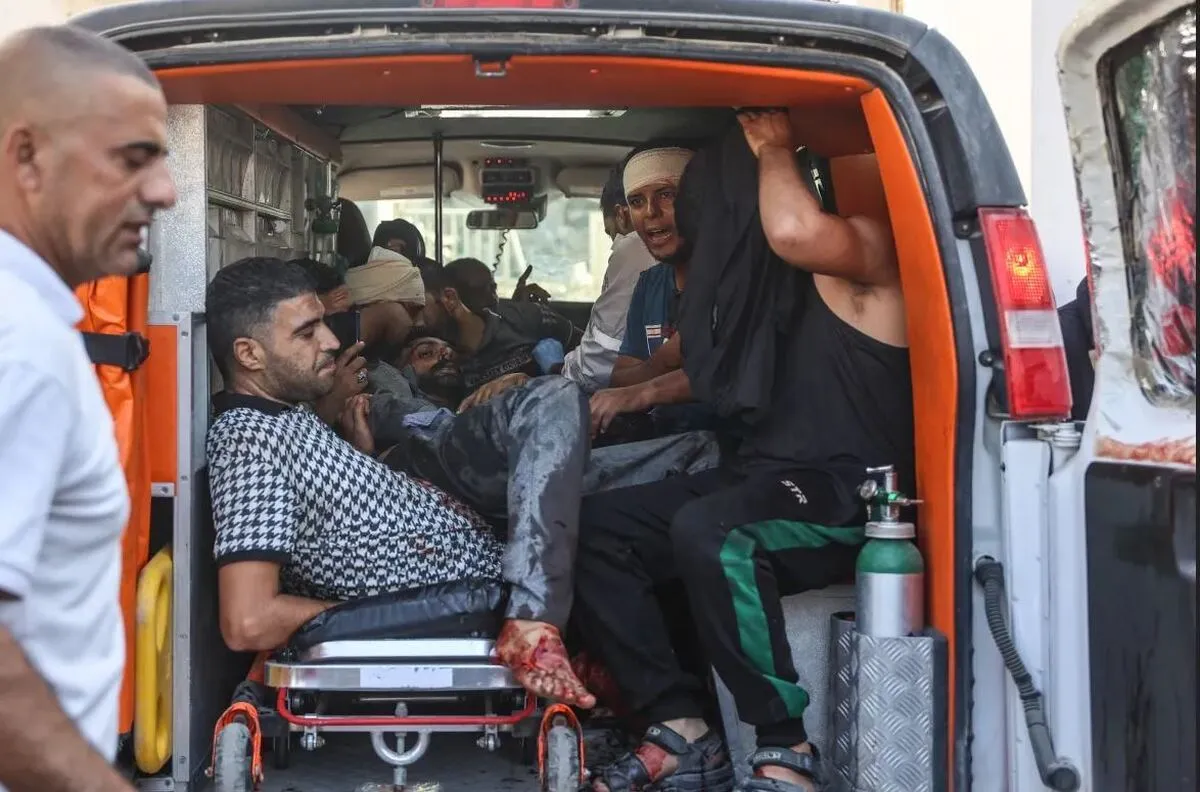
Medical staff at Nasser Hospital — the largest functioning hospital in Gaza — said that if hundreds of thousands of Palestinians flee from the devastated northern areas amid escalating assaults, they will face a surge of new wounded and sick patients.
According to The Guardian, the head of nursing at Nasser Hospital near Khan Younis in southern Gaza said that there are not enough staff to meet current demands and that medical supplies and fuel are rapidly running out.
“We have been working under emergency conditions for more than 23 months, so we are all exhausted. Some of us remain detained in Israeli prisons, others have been martyred inside or outside the hospital, and some have been forced to leave Gaza to escape death. Therefore, our numbers are not what they were before the war,” he said.
Health authorities in Gaza announced last week that they will not evacuate Gaza City’s two main operational hospitals, Al-Shifa and Al-Ahli, insisting that doctors will not abandon their patients.
The World Health Organization (WHO), despite Israeli military orders to evacuate around one million residents and displaced people from Gaza City ahead of new offensives, has pledged that its staff will remain in the city.
Doctors at Al-Ahli Hospital — which has faced weeks of evacuation orders — described conditions as “beyond human imagination” and warned they may ultimately be forced to comply.
A pain specialist at Al-Ahli said: “You see 20-story towers collapsing in less than two seconds [during Israeli airstrikes]. You see thousands of families running with their children in the streets to save their lives. You see massacres of children, their bodies mutilated before your eyes.”
Currently, Al-Ahli is treating three times the number of patients it has beds for, with as many as 400 admissions on some days last month. The hospital has only three ICU beds, and many patients with severe injuries — including fractured limbs — are being sent home to await surgery.
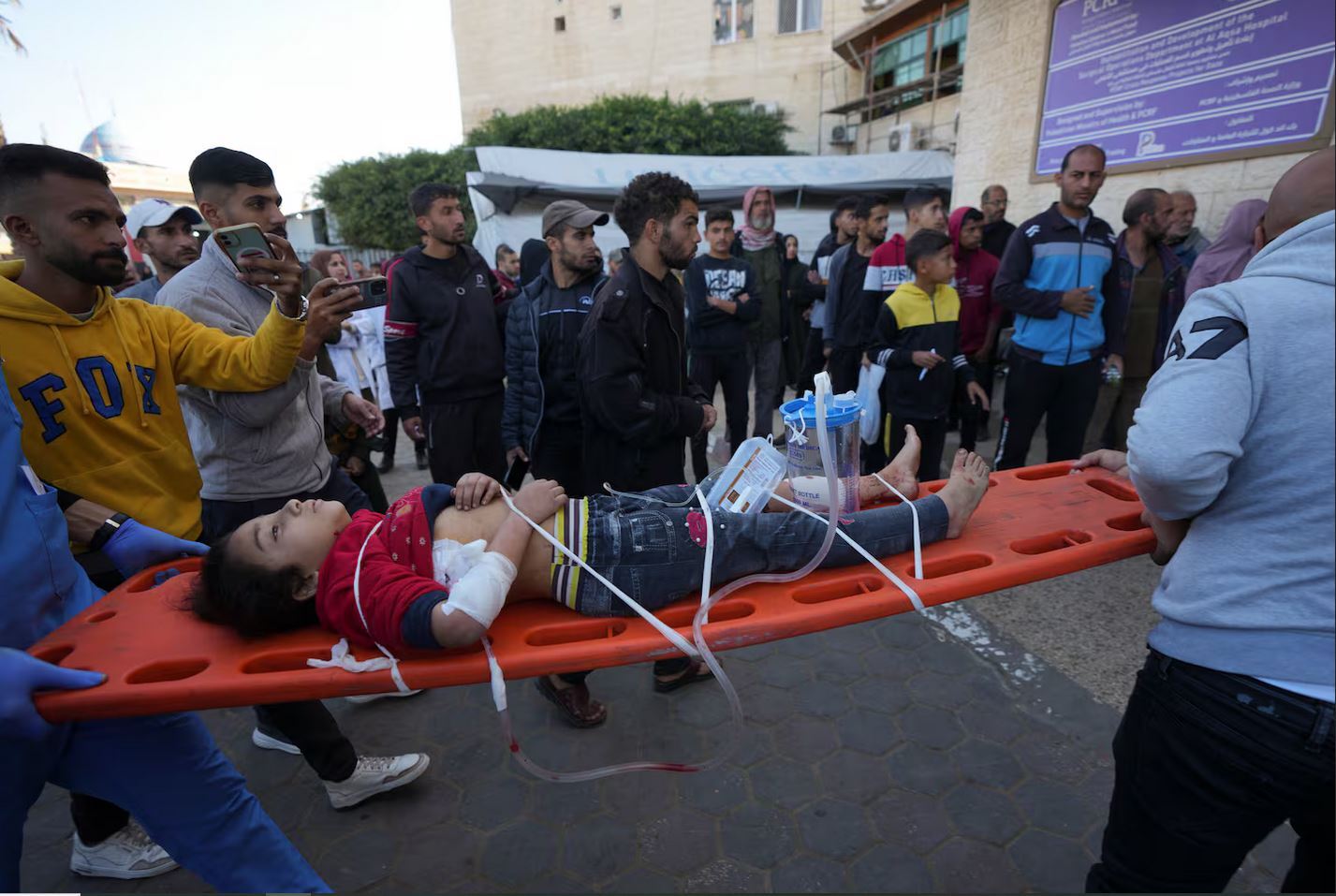
At Al-Shifa Hospital — once Gaza City’s largest medical center but now barely functioning — doctors said they would remain. One explained: “I will take my family south to safety and then return to Gaza to continue working at Al-Shifa, God willing.”
A doctor from California, who arrived as a volunteer 10 days ago, reported: “We’re dealing with mass blast, shrapnel, and gunshot injuries. Basic supplies like blood pressure monitors and anesthesia equipment are running short at Nasser Hospital. I witnessed Haiti after the 2010 earthquake, but Gaza is different: Haiti was a natural disaster — the hardest thing here is that this is 100% preventable. For me, it’s overwhelming, but I’ve been told these days are considered ‘good days’ compared to last month.”
He added that many of the casualties are young men, children, and teenagers injured near aid distribution centers run by the Gaza Humanitarian Foundation (GHF), which is supported by the US and Israel and guarded by Israeli forces.
“Every morning, about 10 teenage boys or young men arrive with blast or gunshot injuries, some with bullets lodged in their brains or chests. These wounds are devastating — three or four of them are either dying or beyond saving.”
The Israeli military has denied deliberately firing at civilians seeking aid from GHF sites, claiming it takes all possible precautions to avoid civilian casualties in Gaza.
Shifa Hospital officials noted that, following an Israeli attack last month that killed 20 people — including journalists and healthcare workers — they have had to cut electricity to certain wards and corridors on some days to conserve limited generator fuel.
The head of nursing at Nasser Hospital expressed fears that the facility, which provides more than half of Gaza’s hospital beds, could be forced to shut down if Israeli military operations expand further.
“Evacuating Nasser means thousands of patients will inevitably die, because there’s nowhere else for them to go. Other hospitals and field clinics in southern Gaza are not equipped to handle a thousand inpatients. If we’re ordered to evacuate, many will perish.”
WHO Director-General Tedros Adhanom Ghebreyesus stated last week that the so-called humanitarian zone designated by Israel in southern Gaza lacks sufficient services even for current residents, let alone new arrivals.
Claims by Israeli officials that they are working to improve healthcare provision in southern Gaza have been met with skepticism from experts and aid workers.