Albania’s Trojan horse: Ashraf-3 turns into rogue terrorist enclave
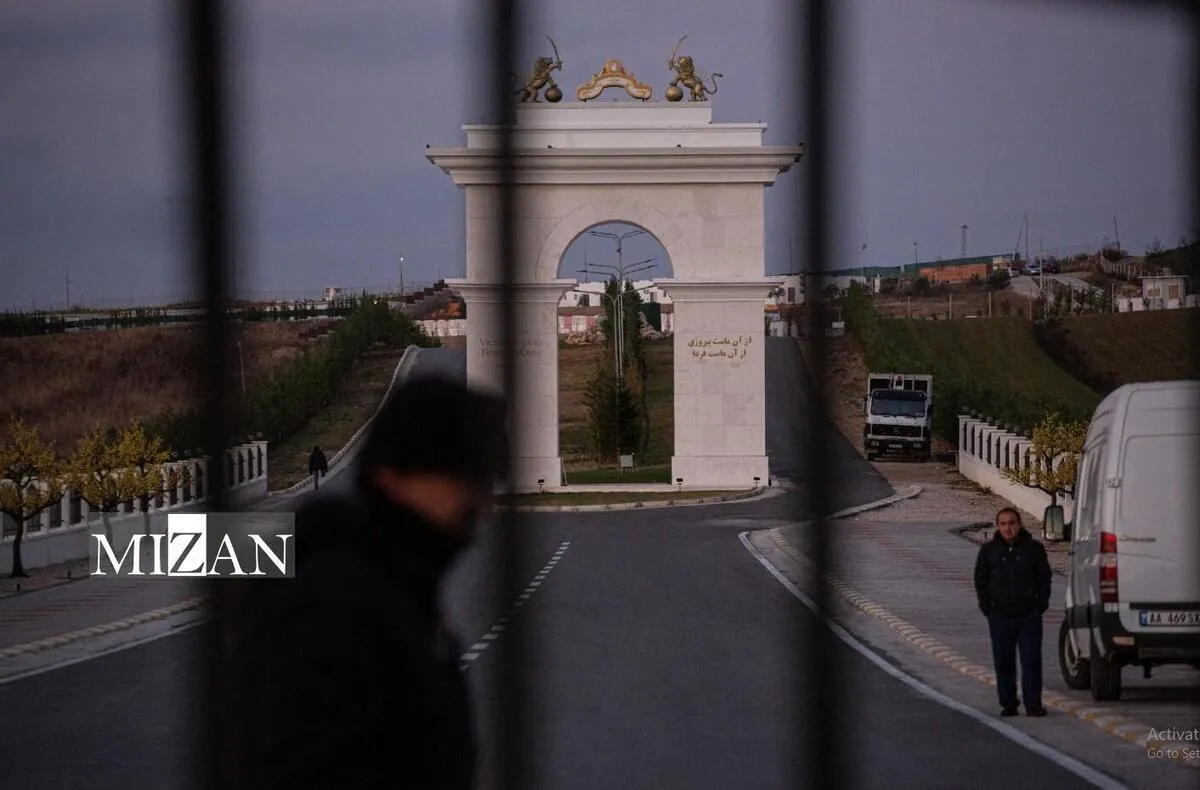
The Albanian outlet Gazeta Impact, in a report titled “Pandora’s Box: Monafeghin’s Hostile Turn Against Albania”, wrote that Albania’s hosting of the Monafeghin has now turned into a full-fledged nightmare for Tirana.
The report stated:
The Monafeghin has become so aggressive and confrontational that it has effectively gone out of control even inside Tirana. Albanian authorities have sought help from their Western allies to deal with this trend while simultaneously investigating the group’s crimes.
Speculation has also arisen that senior Monafeghin leaders, including Maryam Rajavi, could face criminal charges and long prison terms after evidence surfaced linking cyberattacks to the Ashraf-3 camp.
Ashraf-3 has now become a ticking time bomb on Albanian soil. Western and Albanian analysts openly acknowledge that the Monafeghin has slipped out of Albania’s control and turned into a self-governing terrorist enclave that threatens regional security. One analyst noted that Albania has reached a strategic deadlock in its dealings with the Monafeghin: while the group’s complete collapse may be impossible, Tirana is desperately trying to minimize the fallout.
French weekly Le Canard Enchaîné also exposed the Monafeghin’s blatant hypocrisy and double standards. Ashraf-3 may appear from the outside to resemble a refugee camp, but in reality, it functions as a closed-off mini-city—an Orwellian fortress—designed to churn out anti-Iran propaganda and cyberwarfare operations.
A turning point in Albania- Monafeghin relations came two years ago when police raided the group’s camp in 2023. Since then, Albanian authorities have quietly launched investigations into the Monafeghin. State prosecutors have accused members of carrying out cyberattacks and political activities in blatant violation of the original agreement with the Albanian government.
Under that agreement, the Monafeghin was obligated to refrain from any overt political or military activity following its relocation (2013–2016). However, suspicions grew that the group had broken this pledge. After months of online monitoring, especially of Telegram channels, Albanian authorities concluded that a “troll farm” operating from the Ashraf-3 camp in Manëz was in full swing.
By April 2021, hundreds of Facebook accounts linked to Monafeghin operatives had already been blocked. In June 2023, Albanian authorities escalated their crackdown, deploying a special police unit—authorized by the Special Court—to search the Manëz camp.
Prosecutors later reported the cataloging of hundreds of seized devices. The Special Anti-Corruption Prosecutor’s Office (SPAK) officially launched investigations into Monafeghin members on charges of incitement to war, illegal wiretapping, interference with computer systems, and related crimes. In short, an unprecedented criminal case is underway, based on evidence uncovered inside Ashraf-3.
Behind closed doors, some Albanian officials now admit that “protecting the Monafeghin in Albania has been a deception.” While international partners have shielded the group from expulsion, Monafeghin’s continued rogue paramilitary activity could still bring punishment.
The Ministry of Interior has hinted at next steps, telling reporters that all residency permits are under case-by-case review—suggesting visas and humanitarian statuses may be revoked. Meanwhile, SPAK investigators and foreign cybercrime teams are systematically analyzing seized data from the camp.
One Albanian prosecutor told Balkan Insight: “We are at an advanced stage of deep investigations, especially with forensic analysis of hundreds of confiscated devices. International partners are also engaged in these probes.”
In effect, Albania has formally appealed to its NATO and EU allies for help. Critics note the contrast with Tirana’s previously passive approach. For years after their arrival, the Monafeghin operated with minimal interference—even hosting international conferences and inviting Western politicians. Now, with evidence of illegal activity mounting, Tirana has gone on high alert: roads leading to the camp are blocked, and police and cyber agencies constantly monitor its networks.
All this turmoil has revealed a bitter truth: Albania miscalculated. Analysts say the government was always aware of the political risks of hosting the Rajavis, but lacked the capacity to contain them. As analyst Andi Tefani bluntly put it, Albania has essentially lost control over this community, and the Monafeghin -controlled zone in Manëz now operates outside the state’s sovereignty.
Another analyst concluded that Albania is caught in a strategic stalemate: it has lost control of the Monafeghin, but expelling or dissolving the group would collapse it entirely—an outcome the West says it cannot tolerate. Tirana thus finds itself trapped: unable to expel the paramilitary group, yet unequipped to control it.
In every sense, Albania has become a dependent accomplice of the Monafeghin. Diplomats note that after the 2023 police raid, Western attention on Ashraf-3 sharply increased. Brussels and Washington are now asking serious questions about what is happening inside the camp.
If Albanian prosecutors uncover strong evidence of Monafeghin crimes, they appear ready to indict whoever is responsible.
The Albanian dilemma is more than a local scandal—it reflects a dangerous Western double standard. The EU has repeatedly praised Tirana for hosting the Monafeghin and even removed the group from its terror list. Western politicians, including NATO members, have posed with Monafeghin leaders and attended their rallies. Financial watchdogs have turned a blind eye to suspicious fundraising. It is now clear that these moves amounted to direct support for a dangerous terrorist organization.
In reality, Monafeghin’s presence in Europe has caused far more trouble than expected. The fact remains: no other European country—except Albania, with its ambitions to join the EU—would tolerate such a group promoting war from within its borders.
Now, after years of Western indulgence, Prague and Washington are reminding Tirana: this alliance comes at a price. Recently, NATO cyber experts arrived in Tirana, pledging technical assistance to bolster Albania’s defenses against cyberattacks. The U.S. and EU have provided forensic support in the Ashraf-3 case. Even the UN has quietly stated that no signatory to the Refugee Conventions can allow Ashraf-3 to become a terrorist base.
Legally, the case is solid: charges of incitement to war and cyber-terrorism under Albanian law carry severe penalties.
For now, the Monafeghin remains in Albania—but Tirana finds itself sinking ever deeper into the Ashraf-3 quagmire.