Washington Post uncovers scale of Israeli attack on Evin Prison through satellite data
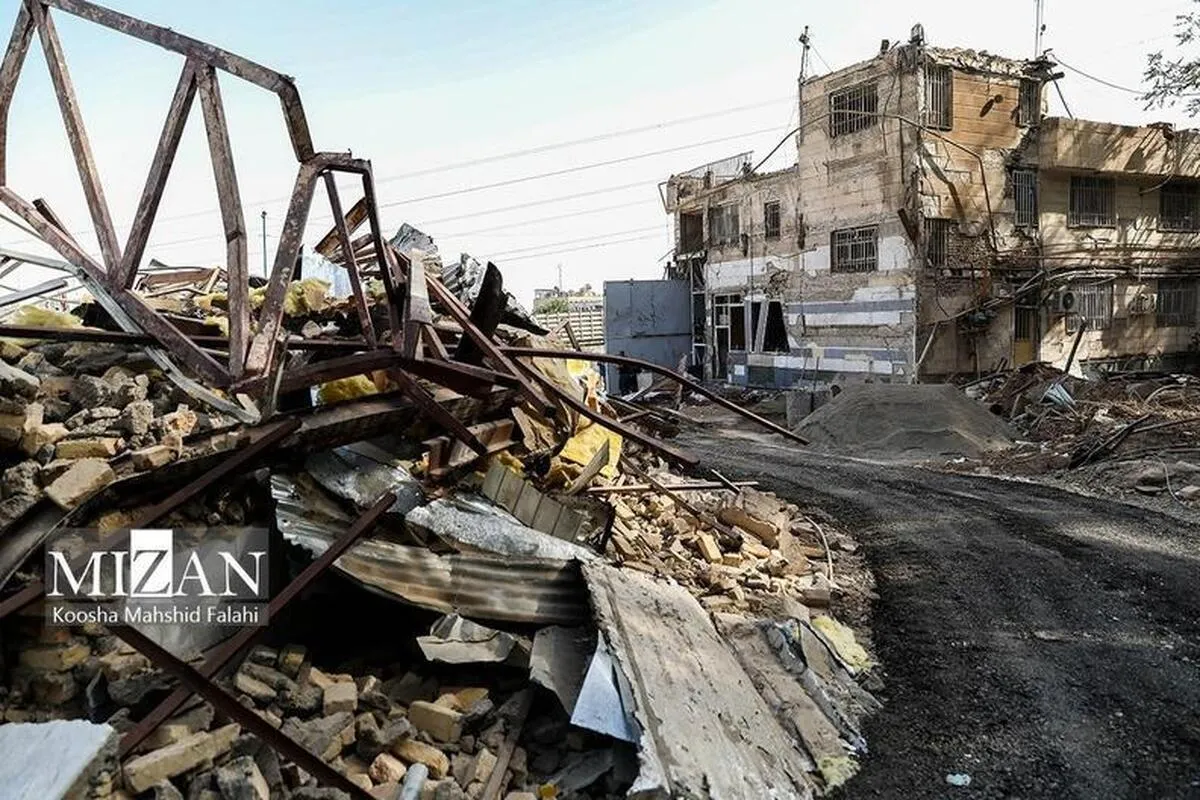
According to the report, based on satellite imagery by Maxar Technologies, videos shared on social media, statements from former inmates, prison records, and official announcements, four areas of Evin Prison were damaged in the Israeli regime’s attack on June 22. Structures located approximately 2,000 feet (over 600 meters) apart were reduced to rubble.
The damaged locations reportedly include an administrative building, a family visitation area, a medical center, and a solitary confinement block. Among the casualties were 43 prison staff members, 4 civilians—including at least two children—and 2 conscript soldiers stationed at the prison.
High-resolution satellite images captured by Maxar on Monday showed that at least 17 buildings in the prison compound were damaged or destroyed. Satellite imagery analysts said the widespread damage across the site likely points to multiple strikes.
William Goodhind, an analyst with the Contested Ground project—which uses satellite imagery to track armed conflicts—stated that the images indicate at least six separate strikes.
Sean O’Connor, an imagery analyst at Janes Defence Intelligence, noted: “Based on the spread of the damage, it appears there were at least four separate munitions used, since none of the impacted sites were unstable enough to cause collateral destruction at distant areas.”
The report added that over 60 hectares of vegetation surrounding the prison were burned as a result of the attack, and some of the structural damage may have been caused by the resulting fires.
The Washington Post emphasized that military strikes on prisons raise serious humanitarian and legal concerns, especially due to the vulnerability of inmates. The report confirmed that several prisoners also died in the attack.
T0he Israeli military declined to comment on the findings of The Washington Post or to answer questions regarding its intended targets.