Iran’s Prosecutor General attends the sixth meeting of ECO member states’ prosecutors general in Uzbekistan
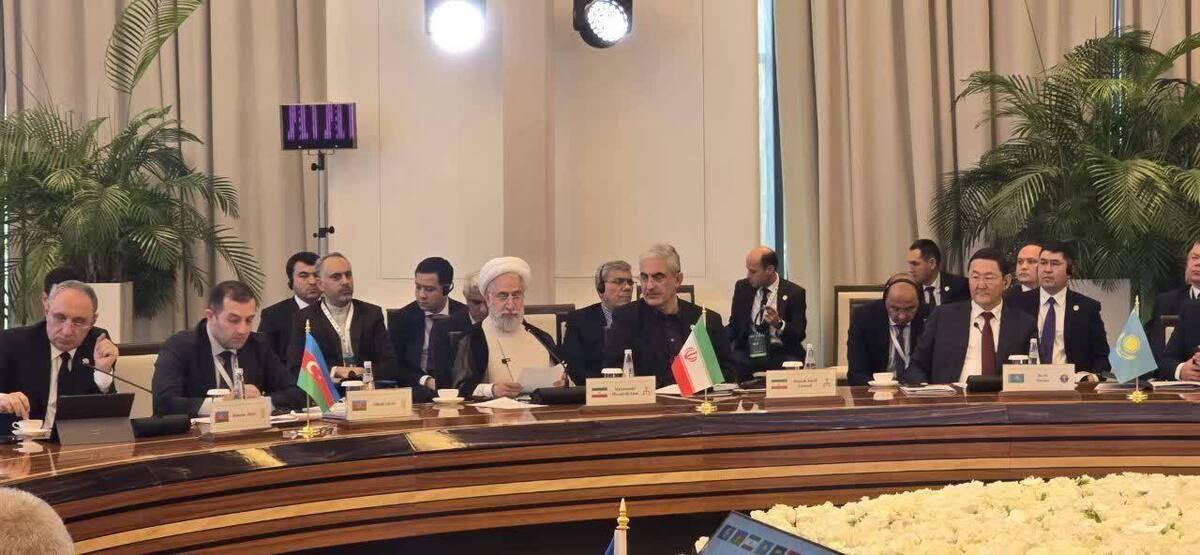
On Thursday, September 25, 2025, Mohammad Movahedi, Prosecutor General of the Islamic Republic of Iran, attended the Sixth Meeting of ECO Member States’ Prosecutors General in Tashkent. While congratulating Yuldashev, Prosecutor General of Uzbekistan, on assuming the chairmanship of the meeting, he said: “With his wise and prudent leadership, this meeting will surely achieve its objectives and excellent outcomes.”
The Prosecutor General expressed gratitude for the warm hospitality of the people and government of Uzbekistan, as well as appreciation for the organizers of the summit, emphasizing that the event is a valuable opportunity for closer cooperation among judicial systems of member states, mutual understanding, and synergy on common issues.
He added: “These gatherings provide an unparalleled opportunity for dialogue and the strengthening of judicial and prosecutorial cooperation toward realizing our shared aspirations for peace, security, and justice in the region.”
The Role of prosecutors in judicial reforms and tackling modern challenges
Addressing his fellow prosecutors, Movahedi underlined the crucial role of prosecution authorities in advancing judicial reforms. He stressed that today’s world faces complex challenges such as transnational trafficking, financial corruption, cybercrime, and environmental crimes—all of which affect national security, sustainable development, and public rights. These threats transcend borders and jeopardize security and justice across all nations. He stated that ECO provides a suitable platform for coordination and cooperation to confront these common threats.
He went on to highlight the central role of the judiciary, particularly prosecutorial institutions, in safeguarding the law, justice, and public rights, and outlined key strategies for judicial reform, including:
- Achieving efficient and swift criminal justice, focusing on priority cases and using modern approaches such as restorative justice.
- Relentless combat against financial and administrative corruption, based on firm laws and the guidance of the Supreme Leader of the Islamic Revolution.
- Comprehensive protection of citizens’ rights and vulnerable groups, particularly women, children, and minorities.
- Adoption of modern technologies, including digitization of judicial services, creation of integrated databases, development of modern criminology, and the use of artificial intelligence to enhance accuracy and transparency in judicial processes.
Prosecutors’ responsibility in environmental protection
The Prosecutor General also stressed the importance of protecting the environment, describing it as a “national duty, as well as a transnational and humanitarian responsibility.”
Referring to the ECO region’s vast ecological and biodiversity richness, he identified major threats such as over-exploitation of forests, wildfires, land-use changes, smuggling of timber and rare plant species, and overgrazing.
He outlined Iran’s measures in environmental protection, including:
- The 2017 ban on exploitation of the northern natural forests to restore woodland cover.
- Development of economic afforestation projects in damaged and desert areas.
- Expansion of the number of forest rangers, equipping them with thermal cameras and drones, and providing them with specialized training in environmental law and crisis management.
- Launching monitoring systems to track timber smuggling and land-use changes.
- Implementing grazing management programs and organizing herders in rangelands.
He further emphasized the need for:
- Drafting and enacting clear and decisive laws to define environmental crimes and impose deterrent punishments.
- Expanding prosecutors’ authority to take independent and preventive action, including establishing a specialized environmental police force.
- Creating specialized units for the detection and investigation of environmental crimes with scientific and technical capacity.
- Simplifying judicial procedures and accepting scientific and laboratory evidence to prove crimes.
- Obligating offenders to compensate damages and restore degraded environments.
- Strengthening international and regional cooperation, particularly within the ECO framework.
Meeting with Uzbekistan’s Prosecutor General: Agreement on prisoner exchange
On the sidelines of the Sixth Meeting of ECO Prosecutors General, Mohammad Movahedi met with Yuldashev, Prosecutor General of Uzbekistan.
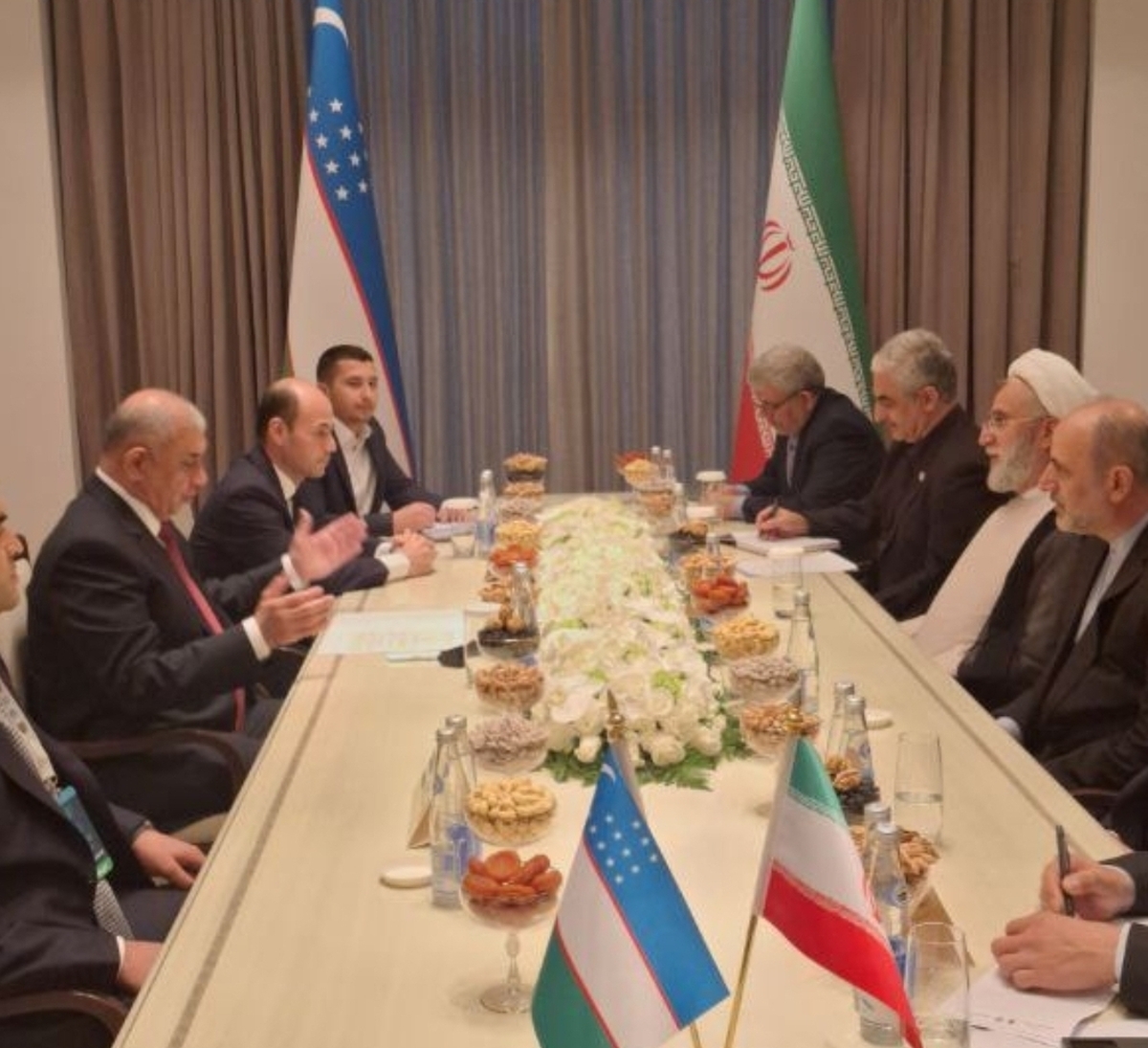
During the meeting, both sides discussed ways to expand judicial and legal cooperation, emphasized the implementation of agreements on prisoner exchange, and underlined the importance of enhancing interactions between the two prosecutorial institutions.
The judicial authorities of Iran and Uzbekistan also stressed the importance of bilateral cooperation in combating transnational crimes and expressed hope that the meeting would further strengthen legal and judicial relations between the two countries.
Meeting with the Prosecutor General of Azerbaijan
Also, on the sidelines of the ECO summit, Movahedi met with the Prosecutor General of the Republic of Azerbaijan.
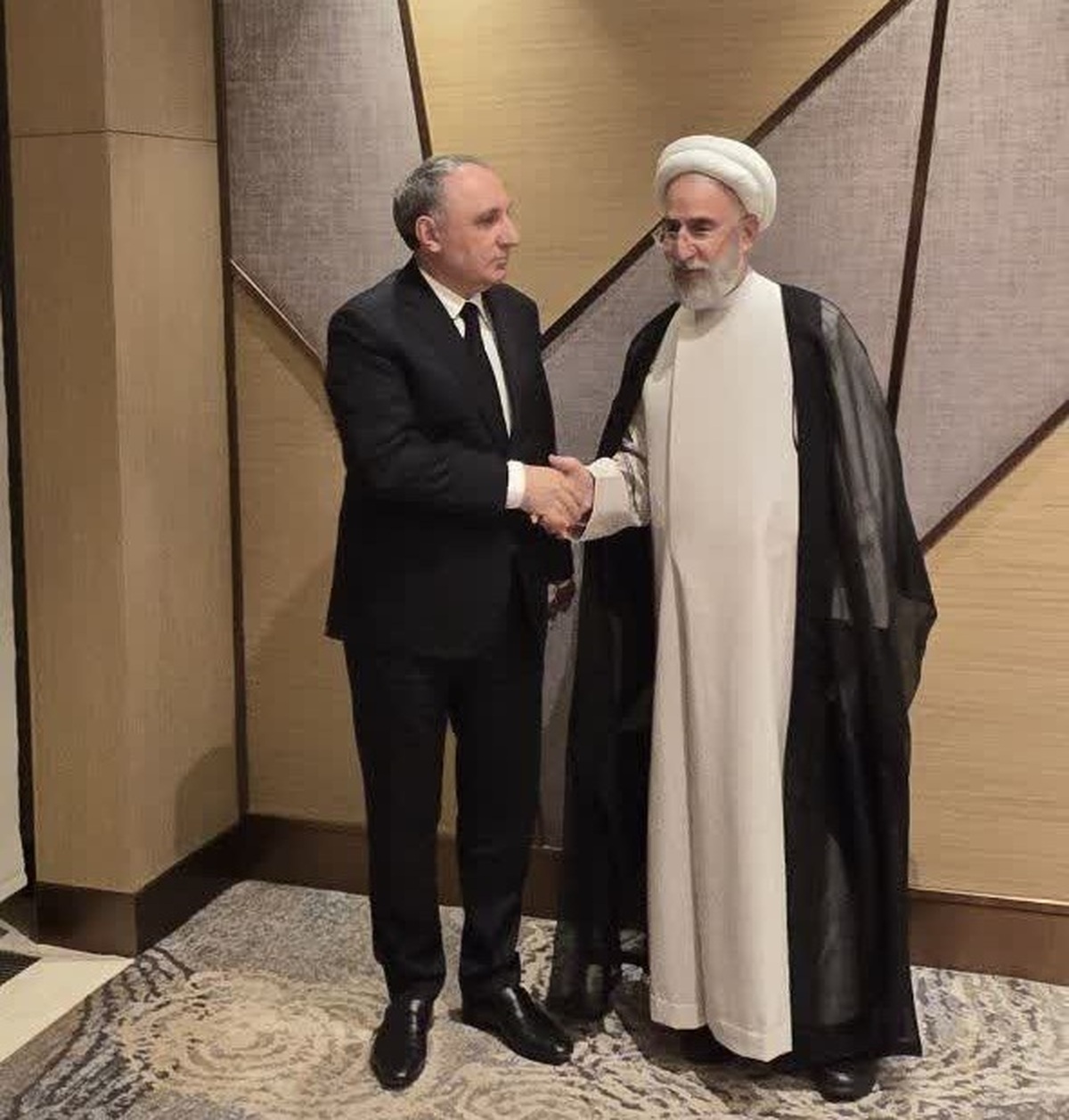
The two sides reviewed ways to expand judicial cooperation, stressed the necessity of signing a memorandum of understanding on the exchange of suspects between the two countries, and agreed to prepare the necessary groundwork for such an agreement.
Furthermore, at Movahedi’s proposal, the two countries decided to draft a two-year memorandum of understanding on the exchange of legal and judicial information between their judicial authorities, to be prepared for signing at upcoming meetings.
Meeting with the Chief Justice of Uzbekistan’s Supreme Court
In another meeting held on the sidelines of the ECO summit, Movahedi met with the Chief Justice of the Supreme Court of Uzbekistan.
With the participation of senior judicial officials from both countries, the two sides reviewed ways to enhance legal and judicial relations and emphasized strengthening mutual cooperation.
They agreed to continue contacts and interactions between their judicial institutions to pave the way for future agreements and contracts.