Slow execution: Thousands of amputees in Gaza’s genocide
Reports indicate that more than 30 Palestinians every day in the Gaza Strip suffer permanent or temporary disabilities as part of the genocide carried out by the Israeli regime since October 2023. The number of people living with disabilities in Gaza has increased by about 35% compared to before the genocide.
According to data from the Palestinian Ministry of Health and disability rights organizations, there are now 8,700 permanent disabilities recorded, including 4,800 amputations, 1,200 cases of paralysis, 1,200 cases of blindness, and 1,500 other disabilities such as speech, hearing, and severe burn-related impairments.
This surge reflects Israel’s systematic use of highly destructive weapons—including cluster munitions, heavy explosives, and missiles fired into densely populated areas—causing amputations, organ loss, and severe sensory and brain injuries. These tactics are part of a deliberate policy to maximize physical and psychological suffering among civilians.
The Israeli military has consistently deployed excessive force and destructive weaponry, inflicting permanent disabilities and immense suffering on thousands of Palestinians. This policy is an integral component of Israel’s ongoing genocidal campaign.
The unprecedented rise in disabilities represents a deliberate pattern of inflicting serious harm, one of the constituent acts of genocide under the 1948 Genocide Convention and the Rome Statute. Both define genocide as the intentional infliction of serious bodily or mental harm on members of a protected group, with the aim of destroying that group in whole or in part.
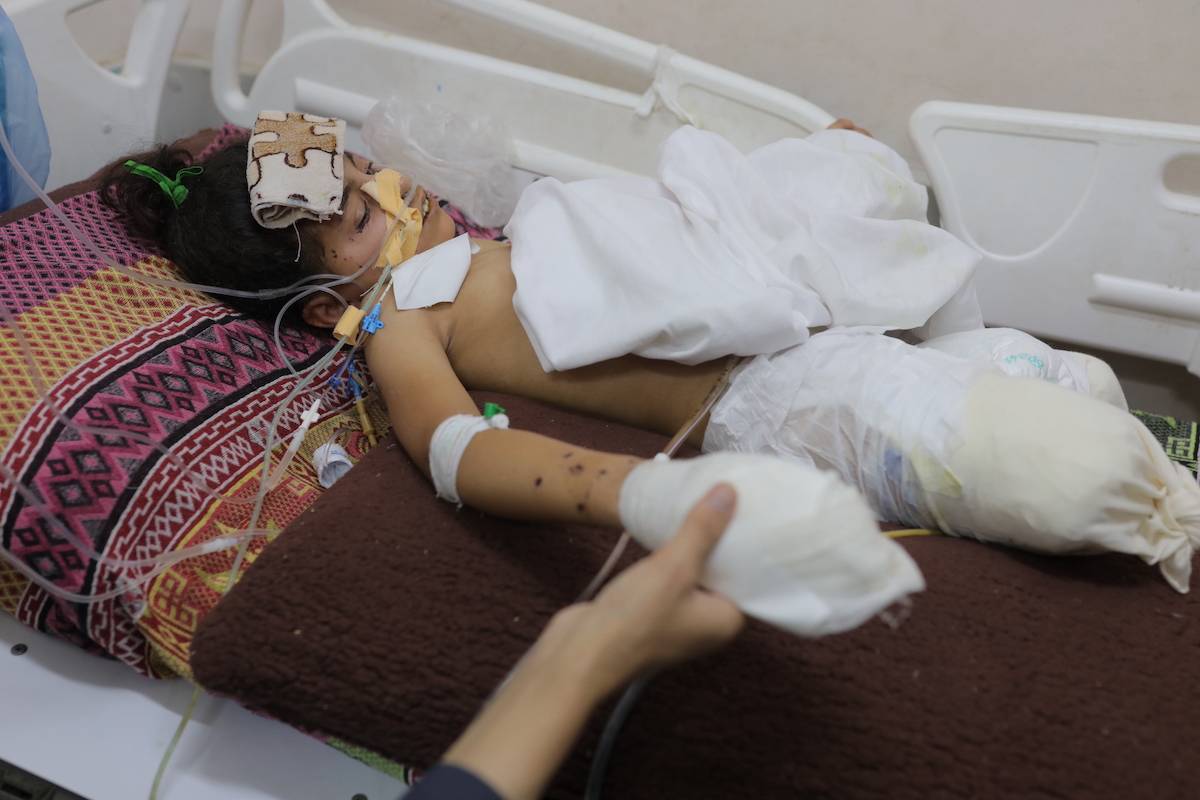
Amid relentless Israeli bombardment, thousands of children and adults who have lost limbs face catastrophic conditions. Their suffering is compounded by the denial of access to medical devices and essential treatment, worsening day by day.
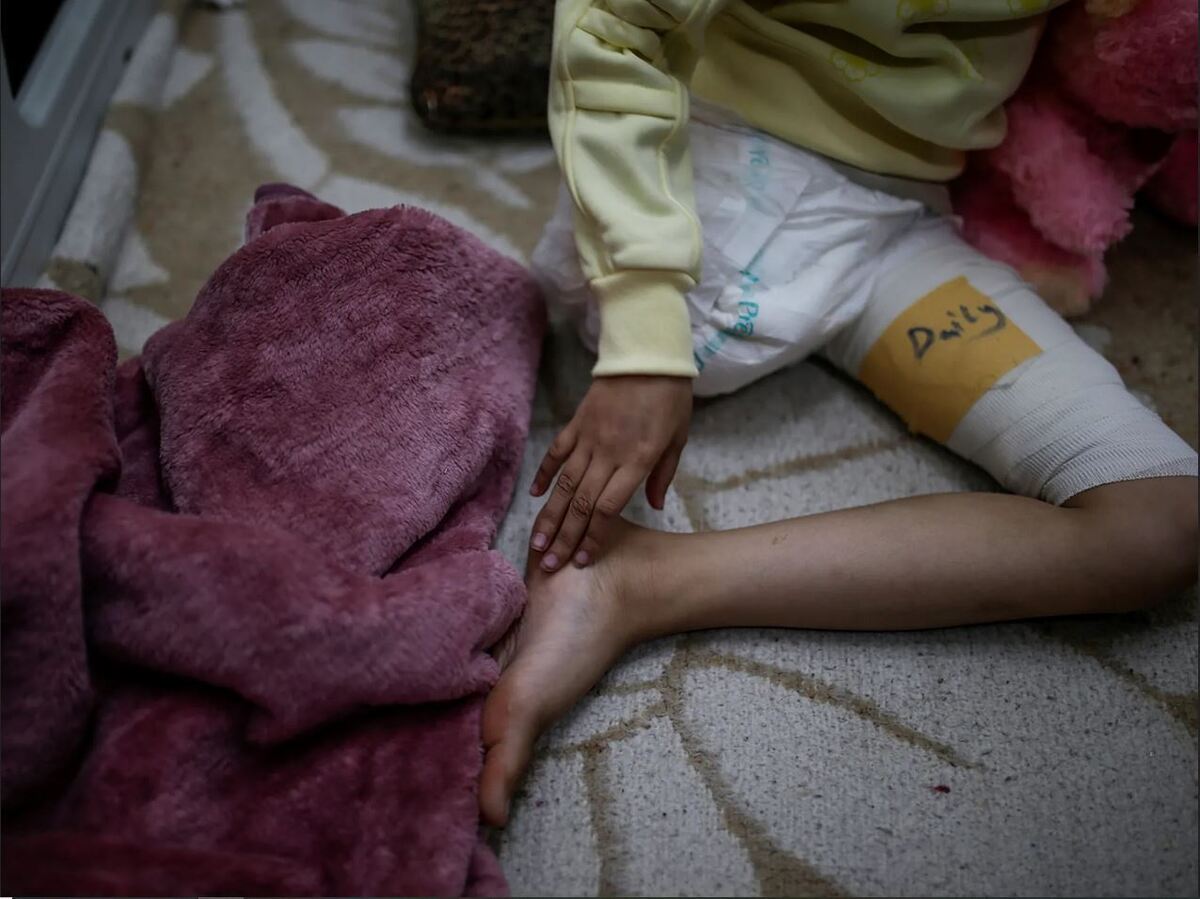
In a temporary shelter in Gaza, Sajeda al-Baba sits beside her 8-year-old son Rajab, whose leg was amputated in an airstrike and whose body bears multiple fractures. Rajab can no longer ride his bicycle and laugh as before. He looks despairingly at his missing leg and repeatedly tells his mother: “I want to cover it.”
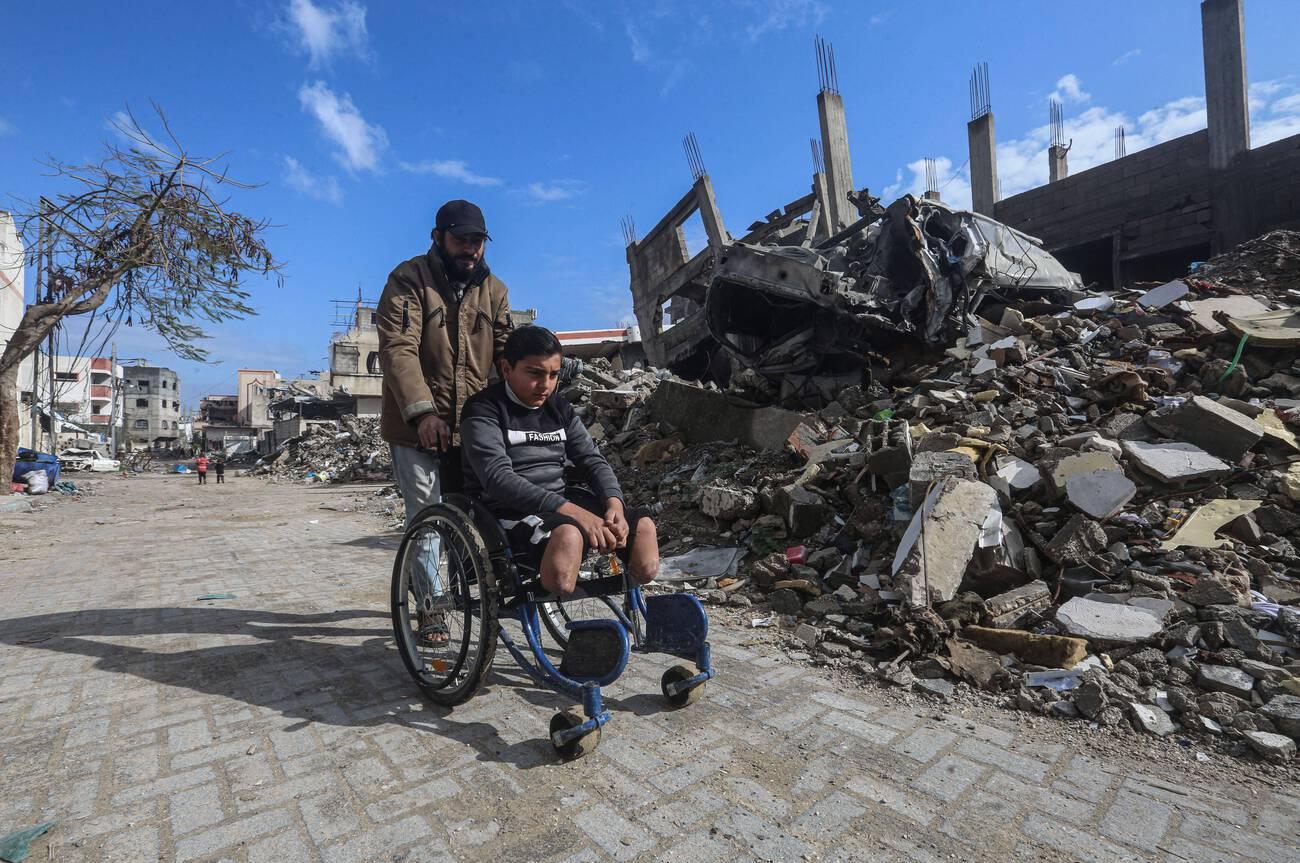
Rajab is one of thousands of children who have been amputated due to Israeli attacks and now live without access to prosthetics, wheelchairs, or assistive devices.
These children and adults are not only deprived of medical care but also face mobility challenges and daily hardships due to Israel’s tight restrictions on the entry of medical supplies into Gaza.
The Palestinian Center for Human Rights stressed in a recent report that Israel deliberately blocks the entry of prosthetics and disability-related equipment—effectively imposing a policy of slow execution on amputees.
In such conditions, thousands of amputees not only lack proper treatment but also grapple with profound psychological and social burdens. Many cannot move freely, attend school, go to work, or participate actively in society.
Legal experts and international organizations argue that these policies constitute acts of genocide. Under international law, the deliberate infliction of severe physical or mental harm on members of a protected group is a crime of genocide.
Moreover, depriving amputees of treatment and essential equipment constitutes a flagrant violation of the Fourth Geneva Convention and the Convention on the Rights of Persons with Disabilities, both of which guarantee the right to healthcare, mobility, and dignity.
In light of this dire situation, calls have intensified to open humanitarian corridors and allow the unrestricted entry of medical supplies into Gaza.
Human rights organizations have also urged the International Criminal Court to immediately investigate these violations and called on states party to the Disabilities Convention to ramp up political and legal pressure to protect the rights of amputees.
This crisis is not only a medical emergency but also a profound human tragedy, trapping thousands in cycles of pain and despair. The global community bears greater responsibility than ever to take urgent action to safeguard the fundamental rights of Gaza’s amputees.
The lives of amputees in Gaza present a stark image of the devastation caused by war, blockade, and repressive policies—threatening not only their future but also that of generations to come.