How Monafeghin built a network of fake media and digital mercenaries
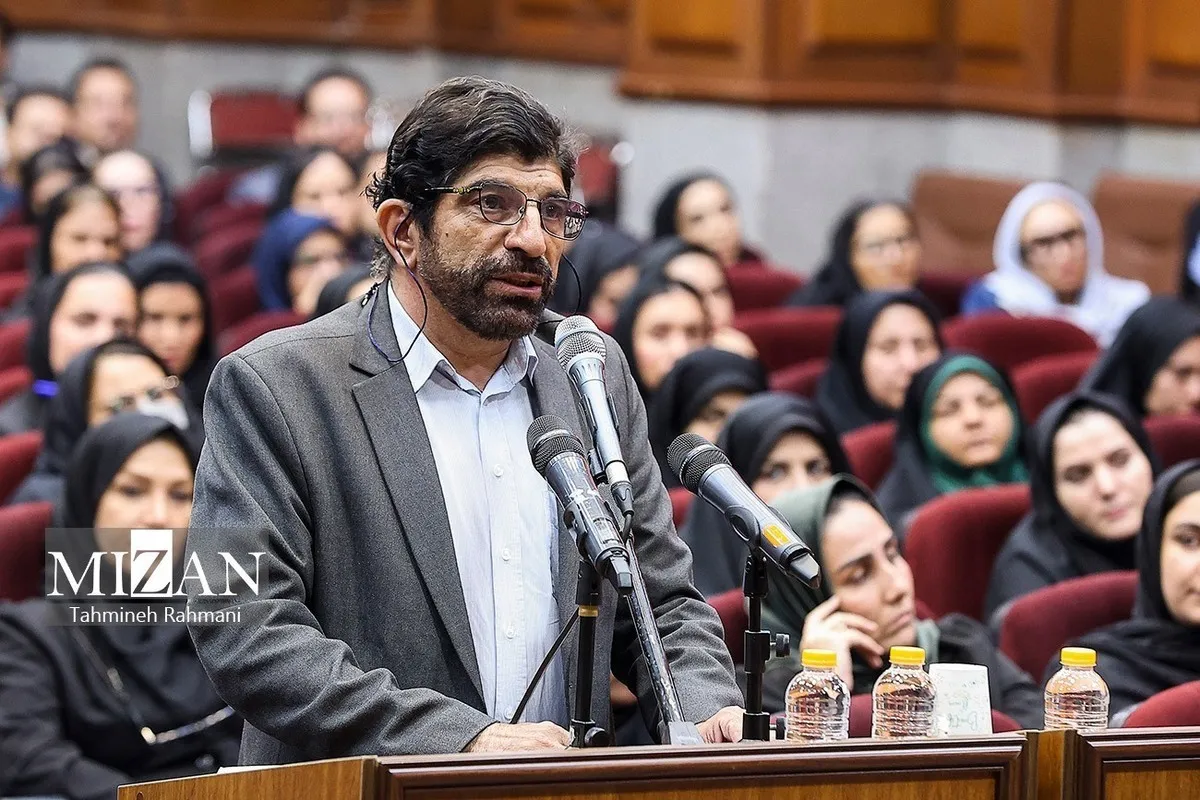
The 41st session of the trial of 104 members of the Monafeghin terrorist group, as well as the organization itself as a legal entity, was held on Tuesday, October 21, 2025, in Branch 11 of the Tehran Criminal Court, presided over by Judge Dehqani.
This session focused on examining the media and propaganda structure of the Monafeghin terrorist group.
Behzad Alishahi, a defector from Monafeghin whose years in the group were spent working in the media sector, was among the witnesses who testified during this session.
Describing the personality of Massoud Rajavi, the leader of the Monafeghin, he said:
“He is an extremely power-hungry man who pursued every possible path to gain power, always taking the easiest routes in history — but he never succeeded.”
Alishahi continued: “Rajavi once said in a meeting: ‘History does not question the victor; it doesn’t matter what crimes we commit — if we win, history won’t ask about them.’
But he failed to see that one day a court would be held to question him.”
This former member of the Monafeghin went on to explain his organizational duties: “The objectives and agendas the organization sought to advance were always dictated by whoever was in charge of the media. For example, each week the media department would announce: ‘This week we want to promote this particular topic — you must write and speak about it.’”
In this regard, Mizan News Agency conducted an interview with Alishahi about the media operations of the Monafeghin.
At the beginning of the interview, Alishahi introduced himself by saying:
“I was a member of Monafeghin from 1984 to 2002 and worked in their propaganda and television headquarters. From 1986 to 1994, I worked in the media division. In 1994, I was arrested and tortured due to certain accusations, and in 1995 I returned to my previous position. After leaving the group, I spent several years in European countries and continued to follow the media activities of Monafeghin.”
Alishahi noted that Monafeghin’s approach to media has changed over the years:
“In the past, they only published a magazine called Mojahed inside Iran. To attract attention to it, they would even burn copies of it themselves, because if it were distributed normally, few people would read it. They created noise and controversy to draw attention.”
He added: “After that magazine was shut down, they aired two hours of Farsi programming daily on Iraqi television — programs that served the propaganda objectives of Saddam Hussein’s Ba’ath regime. The Ba’ath regime ordered them to fabricate lies and spread dark portrayals of Iran, particularly during the imposed war, and these directives were fully implemented. The media activities of Monafeghin at that time were limited to these broadcasts, a few messages from Maryam Rajavi, and statements claiming responsibility for terrorist acts.”
This defector from Monafeghin continued:
“After moving to France, the group realized the importance of media. France helped Monafeghin greatly in this area, providing them with facilities. Today, the media network of Monafeghin includes websites and online platforms, a satellite television channel broadcasting through several satellites, and a written outlet called Mojahed magazine. The content of this magazine is somewhat reliable only in terms of acknowledging responsibility for criminal acts — but the details and context of these actions must be examined, as usually only the date, location, and basic facts are true.”
According to Alishahi, members of Monafeghin at Camp Ashraf-3 in Manëz, Albania spend their days and nights online, using fake social media accounts to operate virtual pages and forge identities in order to present an acceptable image of Monafeghin to audiences.
He said: “Each of Monafeghin’s media outlets pursues specific goals. Their online media seeks to attract individuals inside and outside Iran. Their main objectives are to whitewash and sanitize the crimes and illegal activities of Monafeghin, distort facts, and invert realities. For example, they try to claim that their move to Iraq and cooperation with Saddam Hussein was an effort to establish peace — this follows Massoud Rajavi’s repeated claims that ‘history has been told incorrectly.’”
He continued: “The written media, like the magazine, which is now practically inactive and only occasionally appears online, is very rigid and formal. It no longer features analysis, agitation, or propaganda. These structures have been shaped based on their respective target audiences.”
Alishahi also provided significant details about the relationship between foreign media and the media of Monafeghin:
“These media outlets have connections with outlets in certain countries — mostly based on financial arrangements. Even the most reputable media outlets in the world have a price, and by paying the right amount, Monafeghin can gain access to them. Another form of cooperation comes through recommendations — for instance, the Zionist regime recommends to several media outlets to collaborate with Monafeghin in spreading falsehoods about Iran.”
He added: “In fact, countries like France and Germany exploit Monafeghin and their media outlets to carry out anti-Iranian operations. The media of Monafeghin primarily aims to whitewash the group’s crimes and, secondly, to act as a mercenary tool in exchange for money. Although Monafeghin have invested heavily in their media apparatus, they remain deeply hated inside Iran.”
Regarding the media impact of the ongoing trial against Monafeghin, Alishahi stated:
“Before the court sessions began, when Monafeghin announced, for example, that they would hold a bookstand event in Belgium, 200 to 300 people would show up. Now, only two people attend. The media impact of this court process should not be underestimated.”