Under ceasefire yet still suffering: Gaza’s humanitarian crisis intensifies
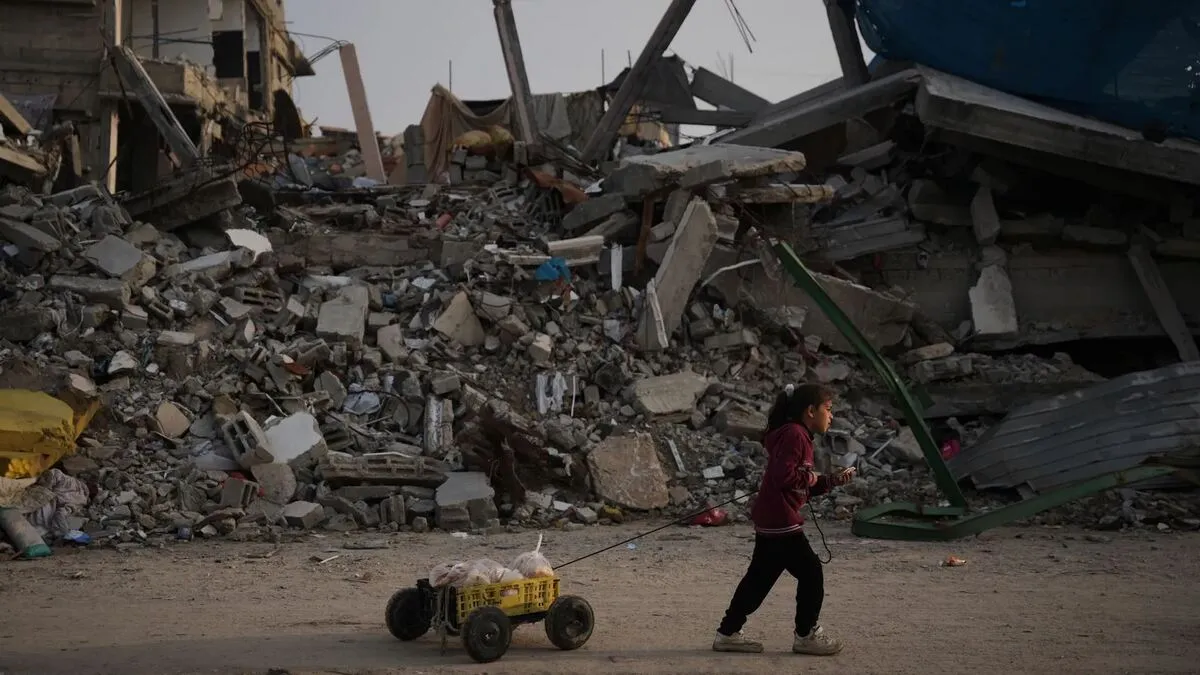
The Gaza Strip, despite the ceasefire that took effect on October 10, continues to face an escalating humanitarian emergency, with hospitals and essential services under strain.
Fifty days after the agreement, most of Gaza’s more than 2 million residents remain in tents and temporary shelters, with little sign of improvement in living conditions. Water and sewage systems have collapsed, garbage and debris continue to pile up, and many roads remain blocked. Hospitals are also struggling with shortages of even basic medical supplies.
The Union of Municipalities in the Gaza Strip warned that a growing fuel shortage is crippling essential services, while Israeli authorities continue to block fuel deliveries.
Alaa al-Batta, deputy head of the Union, said: “Israel is still preventing the entry of the fuel needed to operate vital facilities.”
He noted that since the ceasefire began, municipalities have received enough fuel for only five days of operations—preventing road clearing, debris removal, and service delivery to displaced families.
The Gaza official called for the immediate delivery of generators, solar energy systems, spare parts, and heavy equipment, warning that the crisis is endangering daily humanitarian operations.
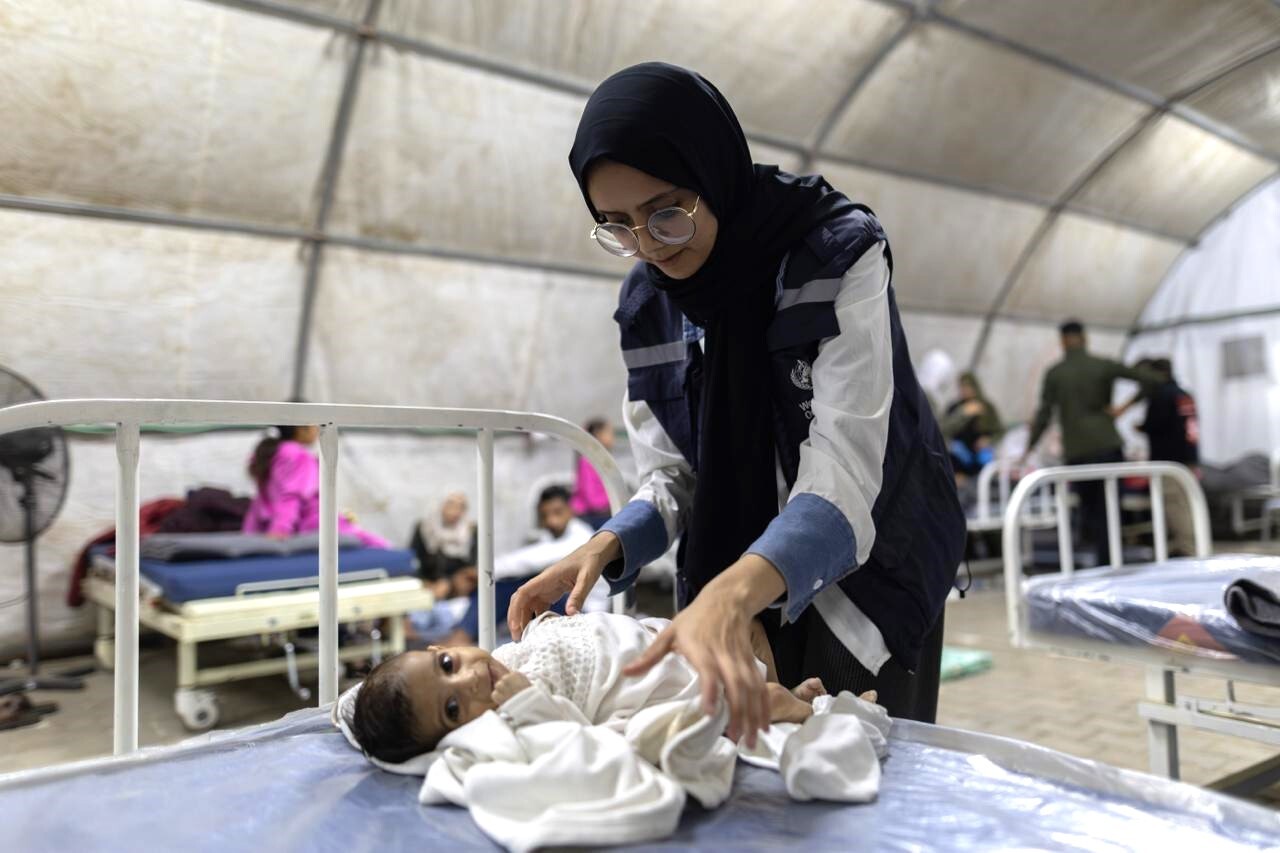
Hospitals are also facing severe shortages of medicines and equipment, limiting the ability to treat patients and the wounded. The director of medical relief in Gaza said the health system continues to operate with the same limited resources it had during the war, with no reconstruction of damaged facilities. He added that Israeli restrictions on medical teams have worsened shortages of staff, medications, and lab equipment.
Health officials warned that specialized eye care is at risk due to damaged diagnostic and surgical equipment, limited medication, and long delays for patients. They said 4,000 glaucoma patients are at risk of losing their vision without urgent assistance.
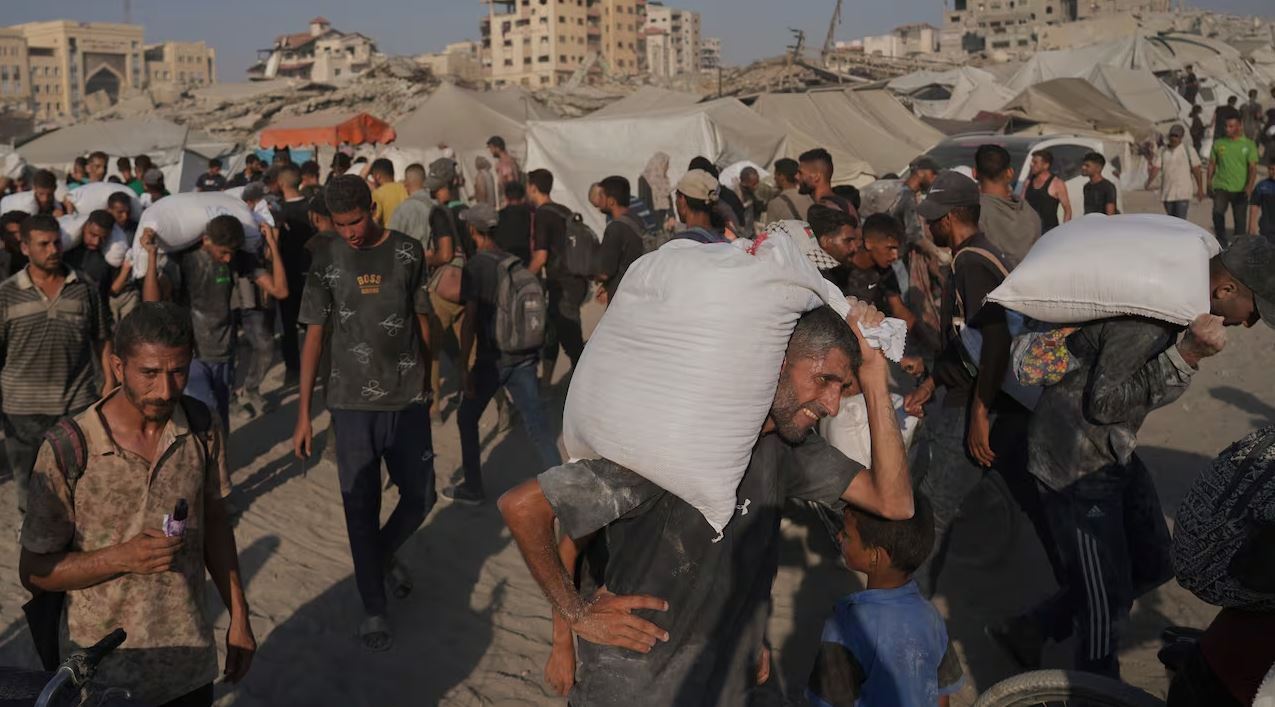
The humanitarian crisis is worsening alongside renewed violence. Palestinian security sources said that early Sunday, November 30, Israeli forces carried out intense shelling and gunfire east of the al-Bureij refugee camp in central Gaza, launched six airstrikes east of Rafah in the south, and targeted a home in Bani Suhaila near Khan Younis with artillery.
The Gaza Media Office accused Israel of 591 violations of the ceasefire, including shelling, shooting, and destruction of infrastructure. Experts have described these actions as clear violations of international humanitarian law.
The Gaza Civil Defense said that around 10,000 bodies remain buried under destroyed homes, although the exact number is unclear due to extremely difficult working conditions. So far, only one excavator has been allowed into Gaza—far too little for the scale of recovery needed.