From humanitarian aid to displacement: The dark side of Gaza’s “Reconstruction Plan”
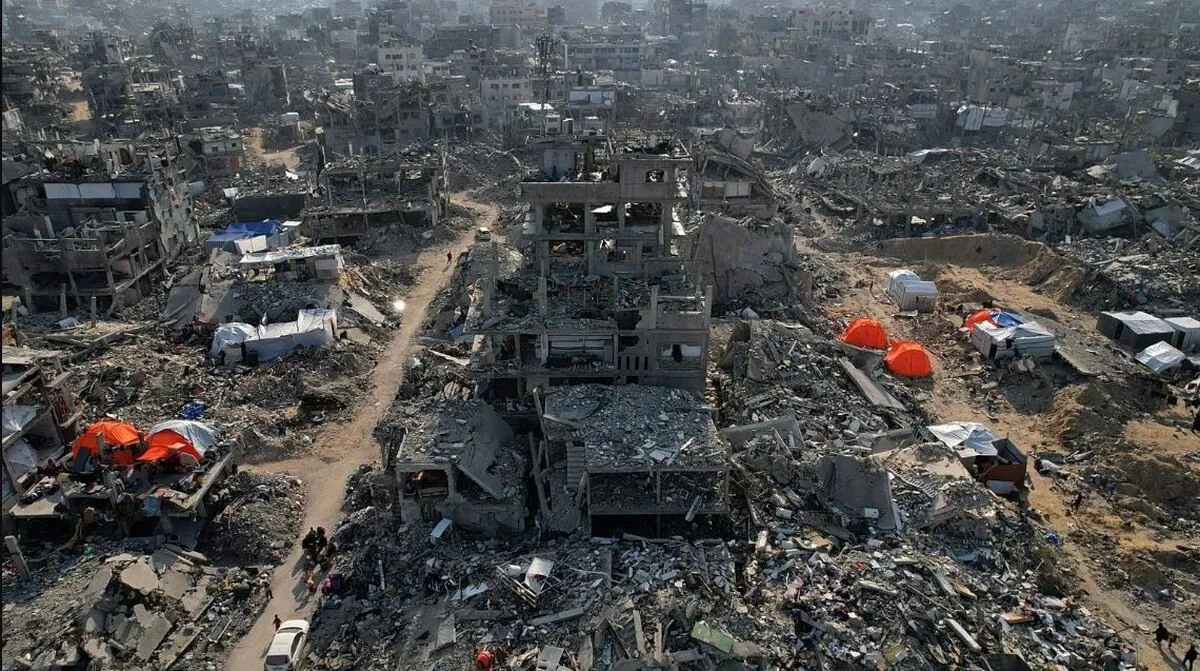
According to the Washington Post, the U.S. president, in cooperation with Israel, is considering a plan to seize Gaza. Under this plan, Gaza would be turned into a U.S.-administered territory for at least 10 years.
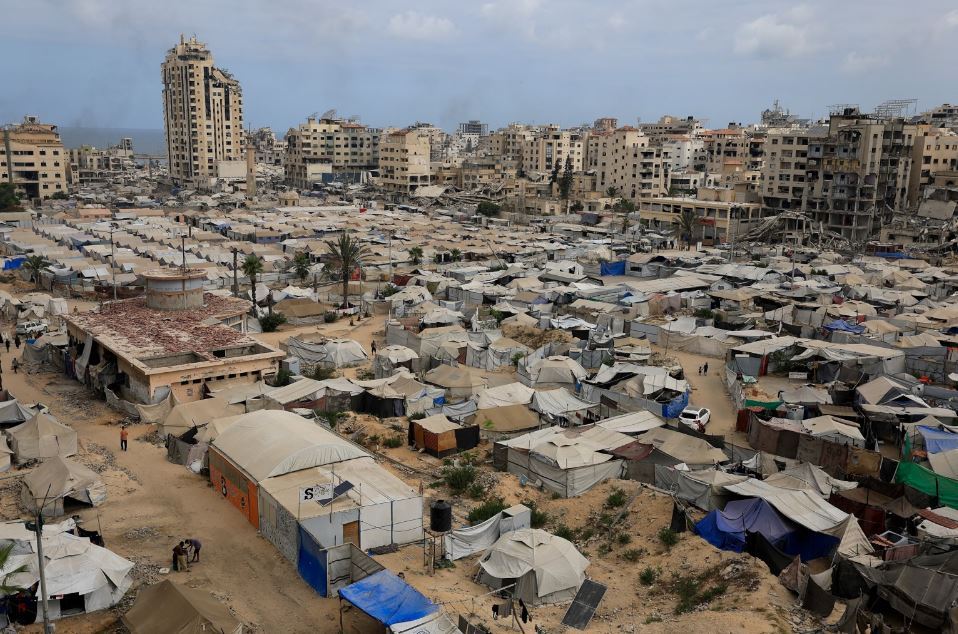
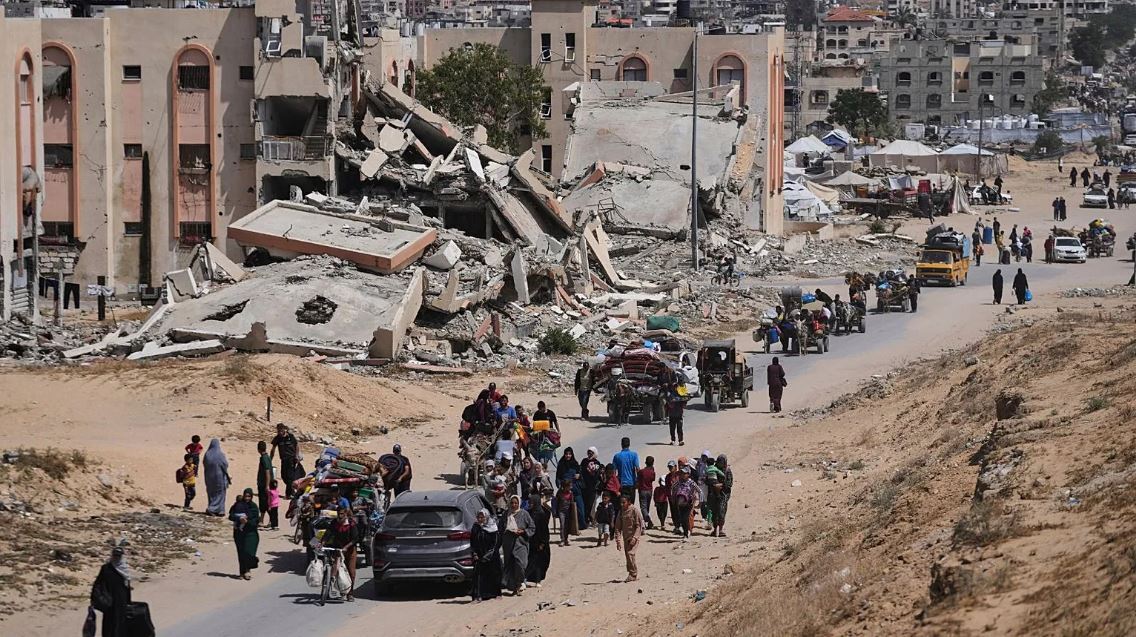
The 38-page proposal, reviewed by the Post, envisions the temporary displacement of more than 2 million people — either through what it calls “voluntary” departure to another country, or relocation to limited “safe zones” within the blockaded strip during reconstruction.
As part of the plan, landowners would receive a digital token (a form of cryptocurrency) in exchange for redevelopment rights to their property. These tokens could be used to finance a new life elsewhere or ultimately to purchase apartments in one of six to eight new “AI-powered smart cities” planned for Gaza. In addition, any Palestinian who chooses to leave Gaza would be given $5,000 in cash, a four-year housing subsidy, and one year’s worth of food expenses.
Proposal by a controversial group
The proposal, called the Gaza Reconstruction, Economic Acceleration, and Transformation Trust (the “GREAT Trust”), was submitted by some of the same pro-Israel figures who previously created the Gaza Humanitarian Foundation (GHF), a U.S.- and Israel-backed organization that currently distributes food in Gaza.
Reports from humanitarian groups indicate that facilities run by the so-called Gaza Humanitarian Foundation have turned into sites where innocent Palestinians were massacred as they came to receive food and aid.
On Wednesday, President Donald Trump held a meeting at the White House to discuss ideas for ending the Gaza war, now approaching its second year, and what comes next. Attendees included Secretary of State Marco Rubio, Trump’s special envoy to West Asia Steve Witkoff, former UK Prime Minister Tony Blair — whose ideas on Gaza’s future have been taken into account by the administration — and Trump’s son-in-law Jared Kushner, who oversaw many Middle East initiatives during Trump’s first term and has extensive private interests in the region.
No official report was released on the meeting or its policy outcomes, and it remains unclear whether the detailed “GREAT Trust” proposal is the plan Trump himself favors. But according to two people familiar with the initiative, its core elements are specifically designed to realize the president’s vision of a “Middle East Riviera.”
Perhaps most appealing to Trump is that the plan appears to require no U.S. government funding while offering significant returns to investors. Financial projections in the proposal forecast a nearly fourfold return on a $100 billion investment after 10 years, with “self-sustaining” revenue streams. Some elements of the plan were first reported by the Financial Times.
A longstanding goal of forcing Palestinians out
The Washington Post notes that removing Palestinians from Gaza — whether through incentives, compensation, or force — has been debated in Israeli policy circles ever since Israel seized Gaza from Egypt in the 1967 war. Israeli settlers lived alongside Palestinians there until 2005, when a peace agreement required their withdrawal.
Israeli Prime Minister Benjamin Netanyahu has said that “Israel is talking with several countries about accepting Gaza residents who are relocated there.” Libya, Ethiopia, South Sudan, Indonesia, and Somaliland have been mentioned as potential destinations. All of these countries, except Indonesia — which has previously agreed to temporarily accept a few thousand Palestinians seeking work or medical care — are in Africa and face their own internal conflicts and humanitarian crises.
Libya, one of the options under discussion in Washington, is divided between rival governments frequently at war with each other. Ethiopia continues to face sporadic civil war and regional conflicts. Israel, which itself blocks humanitarian aid from reaching Gaza, claims it will send medical and other supplies to South Sudan.
Somaliland, a region formerly under British rule that unilaterally declared independence from war-torn Somalia in 1991, is not recognized by any country. After its leaders offered to host displaced Gazans in exchange for international recognition, Trump told reporters earlier this month that “we are currently looking into it.”
Adil Haque, a professor of law, told the Washington Post that any plan preventing Palestinians from returning to their homes or denying them adequate food, healthcare, and shelter would be illegal — even if cash incentives are offered.
Abu Muhammad, a 55-year-old Palestinian father, emphasized despite his “catastrophic” living conditions in Gaza that he will never leave the strip. “I live in a half-destroyed house in Khan Younis, but we can rebuild it,” he said. “I will not allow myself to be transferred to another country. This is my homeland.”