When images speak louder than missiles: Israel’s defeat in the war of narratives
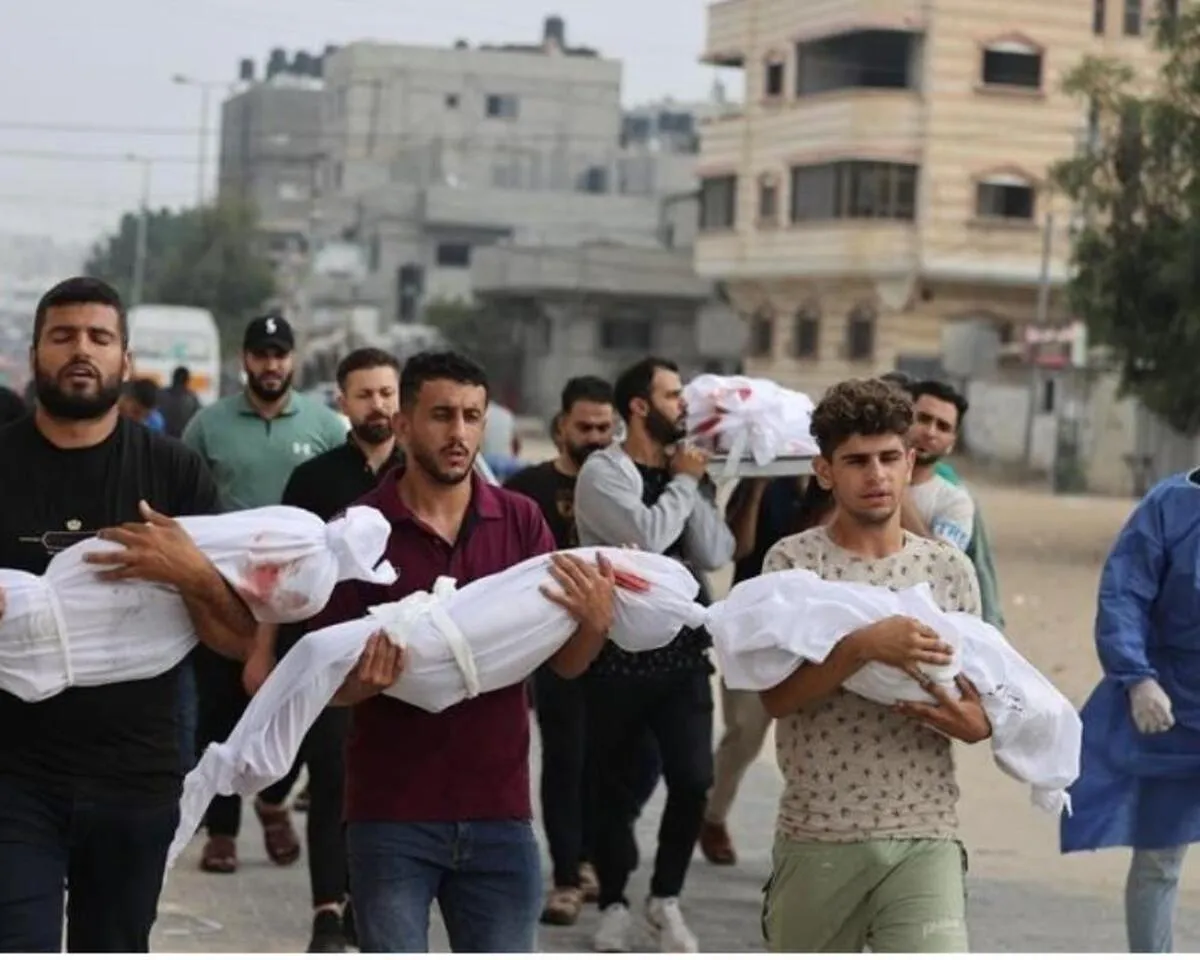
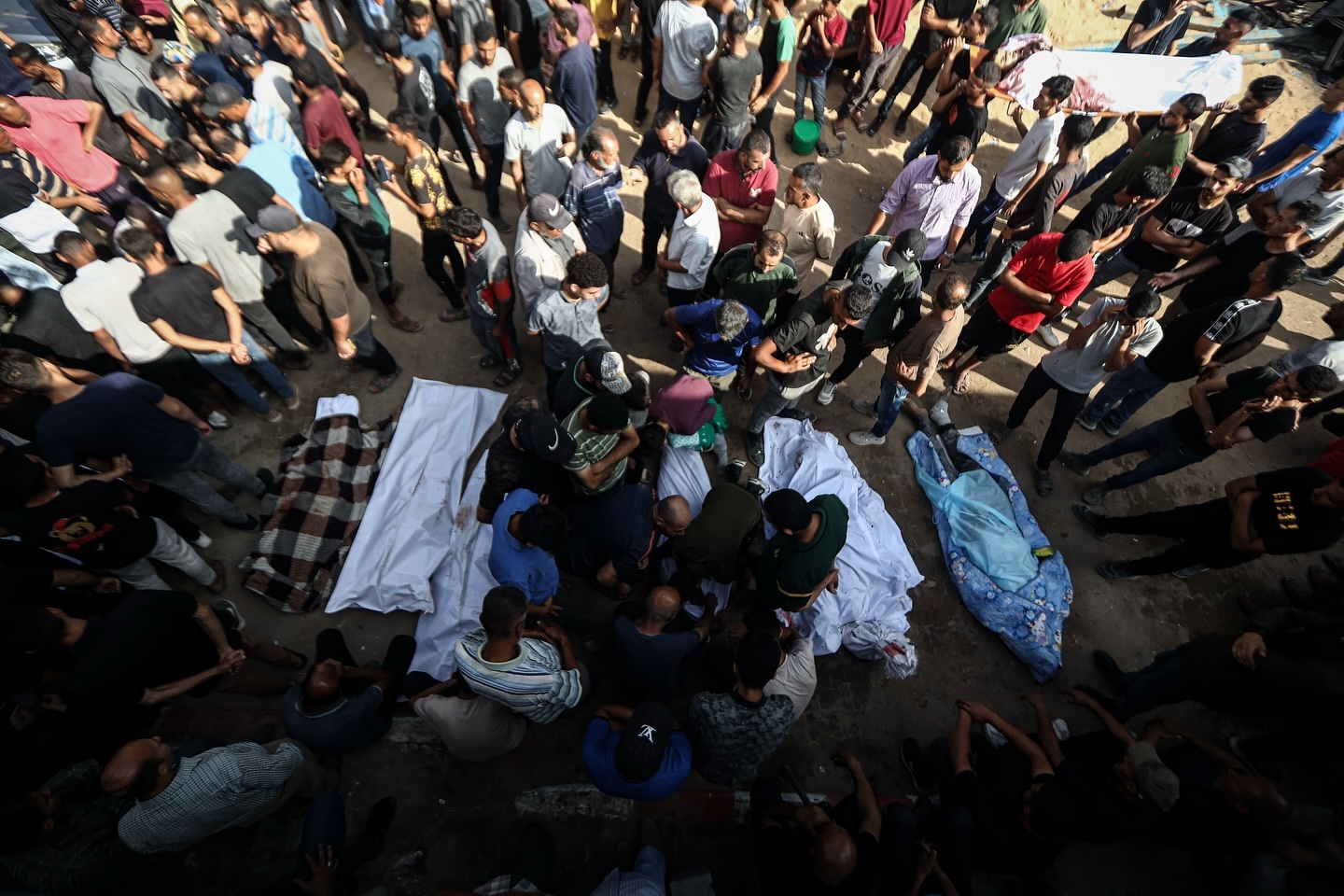
Since the beginning of Israel’s war on Gaza on October 7, 2023, the battle of images has overshadowed the battle of weapons. Every pixel captured — from destroyed hospitals to starving infants, from mass graves to desperate fathers searching through rubble — strikes deeper than missiles.
Once a master of narrative warfare, Israel has lost this battle during its assault on Gaza — defeated by smartphones, social media, and digital archives.
As reported by Al Jazeera, raw, unfiltered, and undeniable footage from Gaza — filmed on smartphones and widely shared across social platforms — has proven more powerful than press conferences or official speeches. For the first time, Israel can no longer erase or bury these realities in propaganda.
Gruesome images of massacres carried out by the Israeli military at humanitarian aid distribution sites in Gaza moved Haaretz journalist Gideon Levy to write on June 29: “Has Israel committed genocide in Gaza?” The testimonies and images leave little room to deny the question.
Even Thomas Friedman, a staunch pro-Israel columnist for The New York Times, no longer buys the Israeli narrative. In a May 9 article, he addressed President Biden, stating that “this Israeli cabinet is not our ally and is acting in ways that threaten America’s core interests in the region”.
There was a time when Israel's narrative was guarded by editorial gatekeepers and shielded by unwavering Western support. But now, digital imagery has shattered those gates. What the world sees is no longer what Israel tells us — it’s what Gaza shows us.
Platforms carrying this visual truth prioritize viral spread over context. While older generations may look away, younger generations are deeply engaged — clinging to every siren, every moment of devastation, every pixel of suffering.
The psychological toll of this visual war echoes deeply within Israeli society. For decades, Israelis were conditioned to see themselves as the global narrators of trauma, not as subjects of international scrutiny. But now, with images of Israeli airstrikes, razed neighborhoods, and emaciated children circulating across every platform, many Israelis are facing a growing moral dilemma.
On the global stage, the impact has further destabilized Israel’s diplomatic standing. Longtime allies who once offered unconditional support are now under intense domestic pressure from citizens who consume livestreams — not official statements.
Lawmakers in Europe and North America are openly questioning arms shipments, trade deals, and diplomatic protections — not solely because of formal reports on war crimes, but because their inboxes are flooded with screenshots of dismembered Palestinian bodies and starving children.
The battlefield has extended to parliaments, universities, city councils, and newsrooms. This is a war Israel cannot win with brute force.
Israeli officials have tried to regain control of the narrative by pressuring social media platforms to suppress unfavorable content. However, even the most advanced public diplomacy campaigns struggle to keep pace with the speed at which raw evidence is shared.
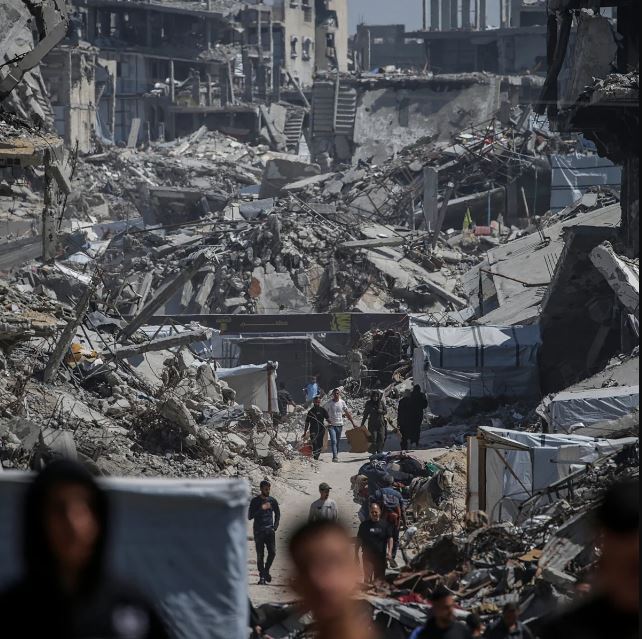
Behind closed doors, the Israeli military is now not only concerned with public opinion, but also with legal prosecution. Soldiers have been warned and reprimanded for taking selfies and filming themselves during the demolition of Palestinian homes — footage that could now serve as evidence in international investigations.
Social media videos have already been used by activists to identify and target Israeli soldiers abroad. In some cases, Israelis have had to flee countries due to war crime complaints filed against them.
In the digital age, occupation is no longer just visible — it is legally actionable. What missiles try to conceal, digital images reveal despite official briefings meant to suppress the truth. Digitally archived, unforgettable images ensure that no atrocity is ever forgotten.
Images of war do more than convey information — they shape perception and influence political stances. The iconic “Napalm Girl” photo, showing the aftermath of a U.S.-backed South Vietnamese airstrike on civilians during the Vietnam War, deeply affected American society. It helped shift public opinion and hastened the U.S. government’s decision to end the war.
Today in Gaza, the stream of powerful imagery shows no signs of stopping. Despite Israel’s efforts, global public opinion is overwhelmingly opposed to its genocidal war in Gaza.
These images have fundamentally altered the nature of war. In this new era, Israel is struggling to overcome the raw, unfiltered visuals of its own brutality — visuals that demand justice and cannot be silenced.