U.S. punishes free speech: Pro-Palestine activist faces deportation
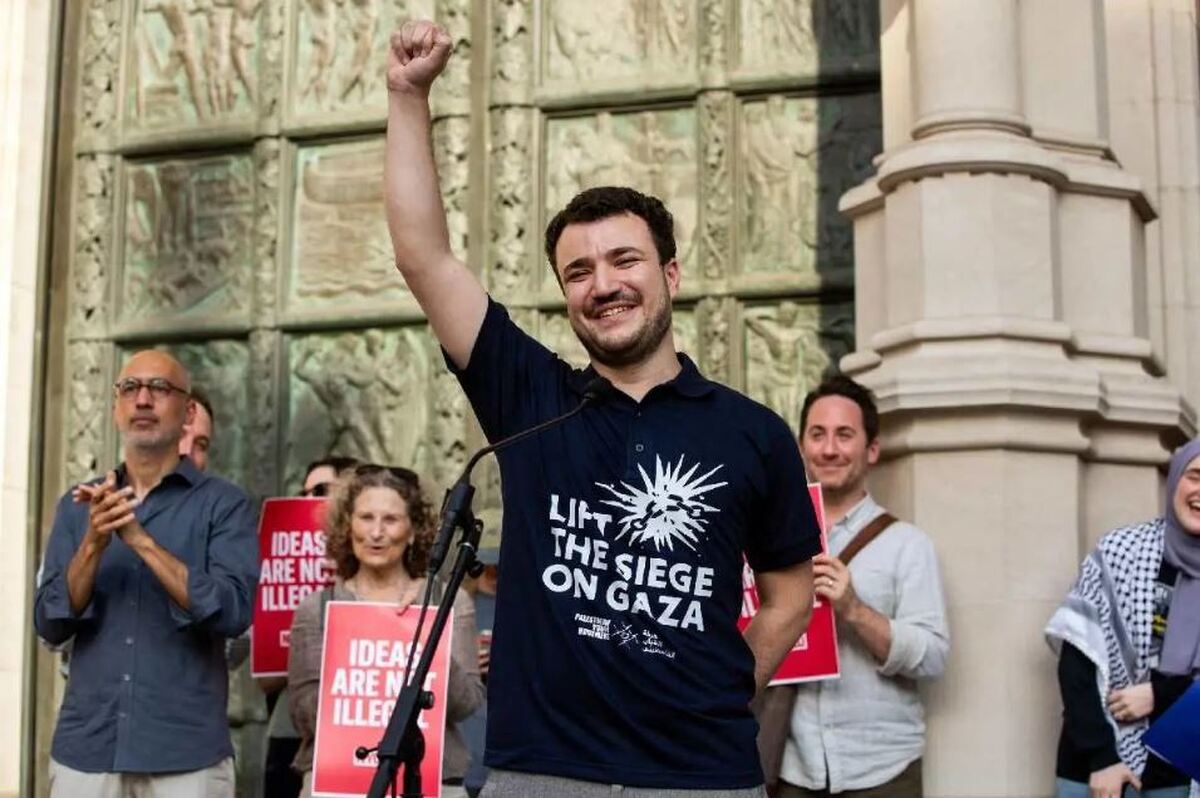
A U.S. immigration judge has ordered that Mahmoud Khalil, a pro-Palestinian activist who played a major role in last year’s protests at Columbia University against the Israeli regime’s war on Gaza, be deported to either Algeria or Syria.
Court documents, revealed by the American Civil Liberties Union (ACLU), show that Louisiana immigration judge Jamie Cummins issued the order on September 12. The judge accused Khalil of failing to disclose key information when applying for and obtaining legal permanent residency in the U.S.
This ruling comes despite Khalil previously stating that, if deported to either of those two countries, he fears being targeted by the Israeli regime because of his activism.
Cummins claimed that Khalil failed to disclose his ties to the United Nations Relief and Works Agency for Palestine Refugees (UNRWA) and to a campus group advocating for an economic boycott of Israel in his green card application.
Khalil’s attorneys responded by saying they intend to appeal the deportation order, noting a federal district court ruling earlier this year that barred the U.S. government from deporting or detaining Khalil while his case was under federal court review.
His legal team now has 30 days from the September 12 order to file an appeal with the U.S. Board of Immigration Appeals.
U.S. immigration officers had initially detained Khalil—a former Columbia University student—on March 8, after raiding his campus apartment in New York City.
The arrest was part of a broader crackdown on pro-Palestinian activism at universities across the U.S., which led to the arrest and deportation of several international students. Meanwhile, universities faced cuts in federal funding under the Trump administration as a result of the protests.
American authorities detained Khalil for three months in an immigration facility in Louisiana until June, when a U.S. district judge ruled his detention unlawful and ordered his release.
U.S. Secretary of State Marco Rubio and other law enforcement officials had repeatedly portrayed Khalil’s peaceful activities as antisemitic, but failed to provide any evidence to support their claims.