بیانیه ستاد حقوق بشر در محکومیت حمله رژیم صهیونیستی به بیمارستان ناصر غزه
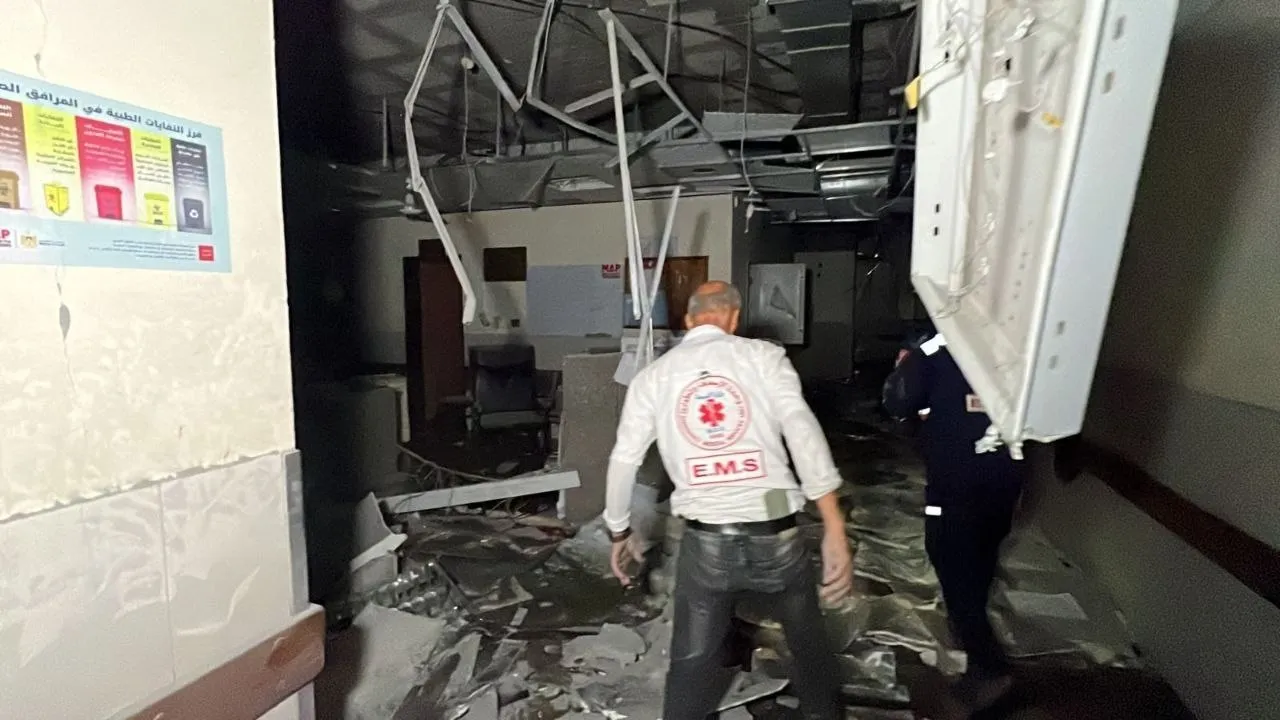
درپی حمله نظامی رژیم صهیونیستی به بیمارستان ناصر در خانیونس، ستاد حقوق بشر جمهوری اسلامی ایران با انتشار بیانیهای اعلام کرد: بیمارستانها، بیماران، مجروحان و کارکنان پزشکی به موجب قواعد حقوق بینالملل بشردوستانه از حمایت ویژه برخوردارند و هرگونه تعرض به این حمایتها باید بهطور مستقل و جدی مورد بررسی قرار گیرد.
متن این بیانیه به شرح زیر است:
ستاد حقوق بشر جمهوری اسلامی ایران، حمله نظامی اخیر رژیم صهیونیستی به مجتمع پزشکی ناصر در شهر خانیونس و هدف قرار دادن ساختمان جراحی این بیمارستان را که به شهادت دستکم ۶ نفر ازجمله یک پزشک و یک کودک و مجروحیت ۲۵ نفر دیگر از بیماران، کادر درمان و همراهان آنان منجر شده است، بهشدت محکوم میکند؛ این حمله که خسارتهای گستردهای به بخشهای درمانی و جراحی بیمارستان وارد کرده، بار دیگر نشاندهنده تداوم تعرض به مراکز درمانی و تهدید مستقیم جان بیمارانی است که برای نجات جان خود به این مراکز پناه آوردهاند.
هدف قرار دادن بیمارستانها، مراکز درمانی و کادر پزشکی، آن هم در شرایطی که نظام سلامت غزه بر اثر حملههای مستمر، کمبود دارو و تجهیزات و تخریب زیرساختهای حیاتی در آستانه فروپاشی قرار گرفته است، صرفا یک حادثه نظامی نیست، بلکه تعرضی جدی به اصول بنیادین حقوق بینالملل بشردوستانه و حق بنیادین انسانها برای برخورداری از سلامت و زندگی است؛ بیمارستانها، بیماران، مجروحان و کارکنان پزشکی به موجب قواعد حقوق بینالملل بشردوستانه از حمایت ویژه برخوردارند و هرگونه تعرض به این حمایتها باید بهطور مستقل و جدی مورد بررسی قرار گیرد.
ابعاد فاجعه غزه به حملههای نظامی و کشتار مستقیم محدود نمانده است؛ امروز میلیونها فلسطینی آواره در شرایطی غیرانسانی و در سرپناههای موقت، فرسوده و فاقد حداقل امکانات بهداشتی و درمانی زندگی میکنند؛ بارندگیهای شدید و سیلابهای اخیر، چادرهای محل اسکان آوارگان را در معرض آبگرفتگی و تخریب قرار داده و اختلاط آبهای سطحی با فاضلاب، کمبود آب سالم، فقدان امکانات دفع پسماند و محدودیت دسترسی به خدمات درمانی، خطر شیوع بیماریهای عفونی و واگیردار را بهشدت افزایش داده است.
براساس گزارش ۱۳ نوامبر ۲۰۲۶ دفتر هماهنگی امور بشردوستانه سازمان ملل، بارندگیهای اخیر حدود ۴۶ هزار خانوار را تحت تاثیر قرار داده و بیش از ۴۰ هزار سرپناه آسیب دیده است؛ این گزارش همچنین از افزایش موارد مشکوک ابتلا به مننژیت، آلودگی آبها به فاضلاب، اختلال در فعالیت مراکز درمانی و کمبود شدید دارو و تجهیزات پزشکی حکایت دارد؛ وضعیت کودکان، نوزادان، زنان باردار، سالمندان و افراد دارای بیماریهای زمینهای در چنین شرایطی بهمراتب نگرانکنندهتر است؛ چنانکه یونیسف نیز درباره قرار گرفتن صدها هزار نفر، ازجمله شمار زیادی کودک، در معرض خطر سیلاب و شرایط نامناسب اسکان هشدار داده است.
ستاد حقوق بشر جمهوری اسلامی ایران تاکید میکند که آنچه امروز در غزه جریان دارد، صرفا مجموعهای از حملههای نظامی و حوادث پراکنده نیست، بلکه تداوم کشتار، تخریب زیرساختهای حیاتی، آوارگی اجباری، محرومسازی از نیازهای اساسی زندگی و از بین بردن شرایط لازم برای بقای جمعیت غیرنظامی، تصویری هولناک از یک نسلکشی تدریجی و فرسایشی را پیش روی وجدان بشریت قرار داده است؛ نسلی که نهتنها در بمبارانها و حملات نظامی، بلکه در فقدان آب سالم، دارو، غذا، سرپناه و خدمات درمانی نیز جان خود را از دست میدهد.
این وضعیت از منظر حقوق بینالملل مستلزم توجه جدی به تعهدات مندرج در کنوانسیون چهارم ژنو، بهویژه مواد ۱۶، ۱۸ و ۵۵ در خصوص حمایت از مجروحان، بیمارستانهای غیرنظامی و تامین نیازهای اساسی جمعیت تحت اشغال است؛ همچنین ماده ۱۲ میثاق بینالمللی حقوق اقتصادی، اجتماعی و فرهنگی، حق هر انسان برای برخورداری از بالاترین استاندارد قابل حصول سلامت جسمی و ذهنی را به رسمیت شناخته است؛ مواد ۶ و ۲۴ کنوانسیون حقوق کودک نیز بر حق حیات، بقا، رشد و برخورداری کودکان از بالاترین استاندارد سلامت تاکید دارند؛ این تعهدات در شرایط مخاصمه و بحران انسانی نیز نباید نادیده گرفته شوند.
از سوی دیگر، محرومسازی عامدانه غیرنظامیان از اقلام ضروری برای بقا، ازجمله غذا و آب و جلوگیری از دسترسی آنان به کمکهای بشردوستانه، در صورت تحقق عناصر قانونی، میتواند مشمول مصادیق جنایات جنگی موضوع ماده ۸ اساسنامه رُم دیوان کیفری بینالمللی قرار گیرد؛ همچنین با توجه به استمرار شرایطی که بقای جمعیت فلسطینی را تهدید میکند، بررسی دقیق اعمال و سیاستهای مرتبط با عناصر مادی و معنوی جرم نسلکشی، در چارچوب کنوانسیون ۱۹۴۸ منع و مجازات نسلکشی، ضرورتی انکارناپذیر است.
نکته تأسفبار آن است که این جنایات در عصر رسانهها و ارتباطات جهانی رخ میدهد؛ عصری که تصاویر بیمارستانهای ویرانشده، کودکان مجروح، چادرهای غرقشده در سیلاب، خانوادههای آواره و بیماران محروم از ابتداییترین امکانات درمانی، هر روز در برابر دیدگان جهانیان قرار میگیرد؛ دیگر نمیتوان از نبود اطلاعات، فقدان شواهد یا بیاطلاعی افکار عمومی سخن گفت؛ وجدان بشری شاهد است و تاریخ ثبت میکند که چگونه یک ملت در برابر دیدگان جامعه جهانی، همزمان با بمباران، محاصره، آوارگی و محرومیت از ابتداییترین نیازهای زندگی مواجه شده است.
ستاد حقوق بشر جمهوری اسلامی ایران ضمن محکومیت شدید این اقدامات، از سازمان ملل متحد، شورای حقوق بشر، کمیسر عالی حقوق بشر، سازمان جهانی بهداشت و کمیته بینالمللی صلیب سرخ میخواهد که از مواضع و بیانیههای صرفا اعلامی فراتر رفته و با اتخاذ اقدامات فوری و مؤثر، برای توقف حملات به مراکز درمانی، تضمین امنیت بیماران و کادر پزشکی، رفع محدودیتهای ورود دارو و تجهیزات پزشکی، تامین آب آشامیدنی سالم، بهبود شرایط بهداشتی اردوگاههای آوارگان و فراهمسازی دسترسی بدون مانع کمکهای بشردوستانه اقدام کنند؛ همچنین لازم است حمله اخیر به بیمارستان ناصر و سایر موارد تعرض به مراکز درمانی، بهصورت مستقل و بیطرفانه بررسی شده و زمینه پاسخگویی عاملان و آمران نقضهای حقوق بشری و حقوق بشردوستانه در مراجع قضایی صالح فراهم شود.
این ستاد همچنین از دولتهایی که از طریق حمایتهای نظامی، تسلیحاتی، سیاسی و دیپلماتیک زمینه تداوم اقدامات رژیم صهیونیستی را فراهم میکنند، میخواهد به مسئولیتهای بینالمللی خود پایبند بوده و از هرگونه مساعدت در تداوم نقضهای جدی حقوق بینالملل خودداری کنند؛ حمایت از حقوق بشر نمیتواند با تامین ابزارهای کشتار و سکوت در برابر تخریب بیمارستانها و نابودی شرایط زندگی یک ملت جمع شود.
در پایان، ستاد حقوق بشر جمهوری اسلامی ایران تاکید میکند که غزه امروز آزمون بزرگی برای وجدان بشریت و اعتبار نظام بینالمللی حقوق بشر است؛ پرسش این است که تا چه زمانی باید کودکان فلسطینی در میان آوار، بیماری، گرسنگی و فقدان سرپناه قربانی شوند و تا چه زمانی جامعه جهانی قرار است در برابر چنین ابعاد گستردهای از رنج انسانی به محکومیّتهای لفظی و اقدامات ناکافی بسنده کند؟
نسلکشی تنها در لحظه انفجار بمب و شلیک گلوله رخ نمیدهد؛ هنگامی که یک ملت از حق حیات، درمان، آب، غذا، سرپناه و امکان ادامه زندگی محروم میشود، وجدان بشریت با یکی از هولناکترین اشکال نابودی تدریجی انسان و جامعه انسانی مواجه است؛ سکوت در برابر این فاجعه، مسئولیت تاریخی و اخلاقی جامعه جهانی را سنگینتر خواهد کرد.
- بیشتر بخوانید:
- بیانیه ستاد حقوق بشر به مناسبت هفتم اکتبر
- ستاد حقوق بشر: تداوم جنایتگری رژیم صهیونیستی در غزه نتیجه انفعال مجامع بینالمللی حقوق بشری است
متن انگلیسی این بیانیه به شرح زیر است:
In the Name of God
The Statement by the High Council for Human Rights of the Islamic Republic of Iran Condemning the Israeli Regime’s Attack on Naser Hospital and the Escalation of the Humanitarian, Health and Medical Crisis in the Gaza Strip
The High Council for Human Rights of the Islamic Republic of Iran strongly condemns the recent military attack by the Israeli regime on the Naser Medical Complex in the city of Khan Younis and the targeting of the surgical building of the hospital, which resulted in the killing of at least six people, including a physician and a child, and the injury of a further 25 persons, including patients, medical personnel and their companions. This attack, which caused extensive damage to the hospital’s medical and surgical departments, once again demonstrates the continued targeting of medical facilities and the direct endangerment of the lives of patients who have sought refuge in these facilities in order to save their lives.
Targeting hospitals, medical facilities and medical personnel, particularly at a time when Gaza’s health system is on the brink of collapse as a result of continued attacks, shortages of medicines and medical equipment, and the destruction of vital infrastructure, is not merely a military incident; rather, it constitutes a serious violation of the fundamental principles of international humanitarian law and the fundamental human right to health and life. Hospitals, patients, the wounded and medical personnel enjoy special protection under the rules of international humanitarian law, and any violation of these protections must be subjected to independent and thorough investigation.
The dimensions of the catastrophe in Gaza are not limited to military attacks and direct killings. Today, millions of displaced Palestinians are living in inhumane conditions in temporary, dilapidated shelters that lack even the most basic sanitary and medical facilities. Recent heavy rainfall and flooding have exposed the tents housing displaced persons to inundation and destruction. Furthermore, the mixing of surface water with sewage, shortages of safe drinking water, the absence of waste disposal facilities, and restricted access to medical services have drastically increased the risk of outbreaks of infectious and communicable diseases.
According to the report issued on 13 November 2026 by the United Nations Office for the Coordination of Humanitarian Affairs (OCHA), recent rainfall has affected approximately 46,000 households and damaged more than 40,000 shelters. The report also indicates an increase in suspected cases of meningitis, contamination of water sources with sewage, disruptions to the operation of medical facilities, and severe shortages of medicines and medical equipment. The situation of children, infants, pregnant women, older persons and individuals with pre-existing medical conditions is considerably more alarming under such circumstances. UNICEF has likewise warned that hundreds of thousands of people, including a large number of children, are exposed to the risk of flooding and inadequate shelter conditions.
The High Council for Human Rights of the Islamic Republic of Iran emphasizes that what is unfolding in Gaza today is not merely a series of military attacks and isolated incidents; the continuation of killings, the destruction of vital infrastructure, forced displacement, the deprivation of the basic necessities of life, and the elimination of the conditions necessary for the survival of the civilian population present the conscience of humanity with a horrifying picture of a gradual and protracted genocide. A generation is losing its lives not only in bombardments and military attacks, but also as a result of the lack of safe drinking water, medicines, food, shelter and medical services.
From the perspective of international law, this situation requires serious consideration of the obligations enshrined in the Fourth Geneva Convention, particularly Articles 16, 18 and 55 concerning the protection of the wounded and sick, civilian hospitals, and the provision of the basic necessities of life to the population of an occupied territory. Furthermore, Article 12 of the International Covenant on Economic, Social and Cultural Rights recognizes the right of every human being to the enjoyment of the highest attainable standard of physical and mental health. Articles 6 and 24 of the Convention on the Rights of the Child also emphasize children's rights to life, survival and development, and to the enjoyment of the highest attainable standard of health. These obligations must not be disregarded even in situations of armed conflict and humanitarian crisis.
Furthermore, the deliberate deprivation of civilians of objects indispensable to their survival, including food and water, and the prevention of their access to humanitarian assistance may, provided that the requisite legal elements are satisfied, fall within the scope of war crimes under Article 8 of the Rome Statute of the International Criminal Court. Moreover, in view of the persistence of conditions threatening the collective survival of the Palestinian population, a thorough examination of acts and policies relating to the material and mental elements of the crime of genocide, within the framework of the 1948 Convention on the Prevention and Punishment of the Crime of Genocide, is an undeniable necessity.
The regrettable aspect is that these crimes are being committed in the age of media and global communications, an era in which images of destroyed hospitals, injured children, tents inundated by floodwaters, displaced families, and patients deprived of the most basic medical care are presented before the eyes of the world every day. It is no longer possible to speak of a lack of information, an absence of evidence, or public unawareness. The conscience of humanity bears witness, and the history records how an entire people has been subjected, before the eyes of the international community, to bombardment, siege, displacement, and deprivation of the most basic necessities of life, all at the same time.
The High Council for Human Rights of the Islamic Republic of Iran, while strongly condemning these actions, calls upon the United Nations, the Human Rights Council, the High Commissioner for Human Rights, the World Health Organization, and the International Committee of the Red Cross to go beyond merely declaratory positions and statements and to take immediate and effective measures to halt attacks on medical facilities, ensure the safety of patients and medical personnel, lift restrictions on the entry of medicines and medical equipment, provide safe drinking water, improve sanitary conditions in displacement camps, and ensure unimpeded access for humanitarian assistance. Furthermore, it is imperative that the recent attack on Naser Hospital, as well as other incidents of attacks against medical facilities, be investigated independently and impartially, and that the necessary conditions be established to ensure that the perpetrators and those who ordered such violations of human rights and international humanitarian law are held accountable before competent judicial authorities.
The High Council for Human Rights further calls upon States that, through military, arms-related, political, and diplomatic support, facilitate the continuation of the actions of the Zionist regime, to uphold their international obligations and refrain from providing any form of assistance that contributes to the continuation of serious violations of international law. Support for human rights cannot be reconciled with the provision of instruments of killing or silence in the face of the destruction of hospitals and the obliteration of the conditions necessary for the survival of an entire people.
In conclusion, the High Council for Human Rights of the Islamic Republic of Iran emphasizes that Gaza today represents a major test of humanity's conscience and the credibility of the international human rights system. The question is: how much longer must Palestinian children become victims amid rubble, disease, hunger, and the absence of shelter, and how much longer will the international community content itself with verbal condemnations and inadequate measures in the face of such extensive human suffering?
Genocide does not occur solely at the moment a bomb explodes or a bullet is fired; when people are deprived of the rights to life, medical care, water, food, shelter, and the ability to continue living, the conscience of humanity is confronted with one of the most horrific forms of the gradual destruction of human beings and human society. Silence in the face of this catastrophe will further compound the historical and moral responsibility of the international community.
انتهای پیام/


