اطلاعیه شماره ۱۹ قوه قضاییه در مورد جنگ تحمیلی سوم؛
بیانیه ستاد حقوق بشر در محکومیت تهدیدهای حمله به نیروگاهها و دیگر زیرساختهای حیاتی کشور
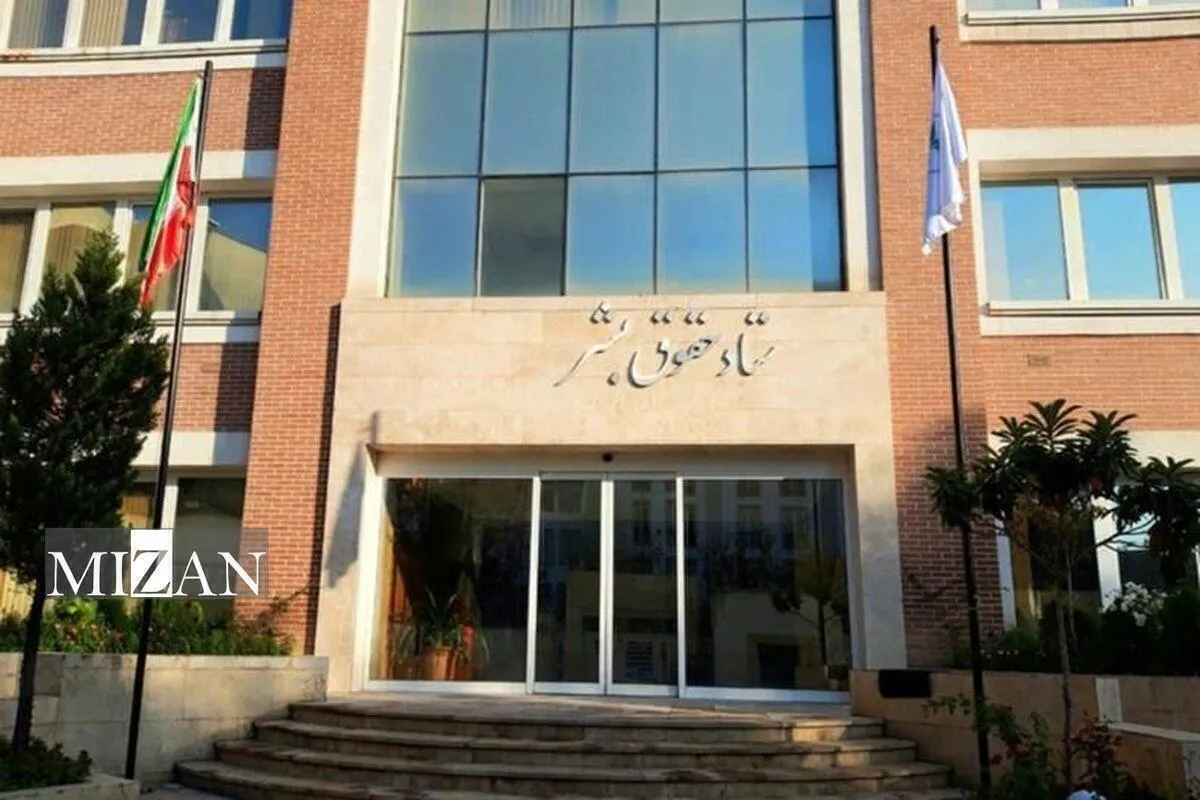
ستاد حقوق بشر با انتشار بیانیهای تاکید کرد: سکوت و انفعال برخی کشورهای مدعی دفاع از حقوق بشر در قبال تهدیدهای آشکار علیه نیروگاهها و مراکز غیرنظامیان ایران بهشدت مورد انتقاد است و این رویکرد مصداق بارز استانداردهای دوگانه در نظام بینالمللی حقوق بشر است.
خبرگزاری میزان -
ستاد حقوق بشر با اشاره به تجاوزهای مکرر آمریکا و رژیم صهیونیستی و نقضهای متعدد و مستمر حقوق بشری در جریان این اقدامهای غیرقانونی، اعلام میدارد که این رفتارها نهتنها صلح و امنیت بینالمللی را به مخاطره انداخته، بلکه موجب نقض گسترده حقوق بنیادین مردم ایران و بیاعتنایی آشکار به هنجارهای آمره حقوق بینالملل شده است.
در همین چارچوب، ستاد حقوق بشر در بیانیه اخیر خود، تهدیدهای مقامهای آمریکایی و رژیم صهیونیستی علیه زیرساختهای حیاتی کشور، بهویژه نیروگاهها را با شدیدترین عبارات محکوم کرده و آن را نقض صریح قوانین بینالمللی، اصول مسلم حقوق بشر و قواعد بنیادین حقوق بینالملل بشردوستانه میداند؛ این تهدیدها، مصداق بارز رفتارهای خصمانه و ناقض تعهدهای بینالمللی دولتها در قبال حفاظت از غیرنظامیان و زیرساختهای حیاتی و همچنین نقض اصل تفکیک است.
در این میان، تهدید به حمله به نیروگاهها بهعنوان شریانهای حیاتی تامین انرژی کشور، از اهمیت و حساسیت مضاعفی برخوردار است؛ نیروگاهها نقشی بنیادین در تامین برق مورد نیاز زندگی روزمره شهروندان، استمرار فعالیت مراکز درمانی و بیمارستانها، عملکرد تجهیزات حیاتی پزشکی، تامین آب، خدمات بهداشتی، حملونقل و دیگر خدمات عمومی ایفا میکنند.
هرگونه اقدام علیه این تاسیسات، نهتنها موجب اخلال گسترده در زندگی عمومی خواهد شد، بلکه بهطور مستقیم جان بیماران، افراد وابسته به تجهیزات حیاتی و دیگر اقشار آسیبپذیر را در معرض خطر جدی قرار میدهد.
تهدید به حمله علیه چنین زیرساختهایی که مستقیما با بقا و سلامت جمعیت غیرنظامی گره خوردهاند، نقض آشکار اصول بنیادین حقوق بینالملل محسوب میشود.
چنین اقدامهایی، در صورت تحقق، آثار ویرانگری بر تمامی اقشار جامعه، بهویژه بیماران، سالمندان، کودکان و دیگر گروههای آسیبپذیر برجای خواهد گذاشت و میتواند منجر به اختلال جدی در ارائه خدمات حیاتی در مراکز درمانی، بهداشتی و خدماتی شود؛ امری که بهطور مستقیم حق حیات و سلامت انسانها را تهدید میکند.
براساس اصول مندرج در حقوق بینالملل بشردوستانه، بهویژه کنوانسیونهای چهارگانه ژنو ۱۹۴۹ و پروتکلهای الحاقی آن، هرگونه حمله به اهداف غیرنظامی و زیرساختهایی که برای بقای جمعیت غیرنظامی ضروری هستند، صراحتا ممنوع بوده و میتواند بهعنوان نقض فاحش این اسناد تلقی شود؛ همچنین، مطابق با اسناد بینالمللی حقوق بشر، ازجمله میثاق بینالمللی حقوق مدنی و سیاسی و میثاق بینالمللی حقوق اقتصادی، اجتماعی و فرهنگی، دولتها موظف به تضمین حق حیات، حق سلامت و دسترسی به خدمات اساسی برای همگان هستند.
ستاد حقوق بشر در عین حال، سکوت و انفعال برخی کشورهای مدعی دفاع از حقوق بشر در قبال این تهدیدهای آشکار را بهشدت مورد انتقاد قرار داده و این رویکرد را مصداق بارز استانداردهای دوگانه در نظام بینالمللی حقوق بشر میداند؛ استانداردهایی که با تضعیف اعتبار نهادهای حقوق بشری، زمینهساز تداوم نقضها و بیکیفرمانی مرتکبان میشود.
ستاد حقوق بشر تاکید میکند که تهدید یا اقدام علیه چنین زیرساختهایی، با توجه به آثار گسترده و غیرقابل جبران آن بر جمعیت غیرنظامی، میتواند مصداق بارز جنایت جنگی تلقی شده و مسئولیت بینالمللی و پاسخگویی عاملان و آمران آن را بهدنبال داشته باشد.
در پایان، ستاد حقوق بشر از تمامی سازوکارهای بینالمللی حقوق بشر، ازجمله نهادهای ذیربط سازمان ملل متحد، گزارشگران ویژه و دیگر نهادهای تخصصی میخواهد که با اتخاذ مواضع صریح و قاطع، این تهدیدها و اقدامهای غیرقانونی را محکوم کرده و نسبت به پیشگیری از وقوع نقض گستردهتر و حمایت از حقوق بنیادین مردم ایران اقدام عاجل بهعمل آورند.
متن انگلیسی این بیانیه به شرح زیر است:
*The Statement of the High Council for Human Rights of the Islamic Republic of Iran on Condemning the Threats of Attack to Power Plants and other Vital Infrastructures of the Country*
The High Council for Human Rights of the Islamic Republic of Iran referring to the frequent aggressions by the United States and the Zionist Regime and numerous continual human rights violations in these criminal acts, announces that these acts not only threaten the international peace and security, but also cause extent violation of fundamental human rights of the Iranian nation and clear disrespect towards peremptory norms of the international law.
In this framework, the High Council for Human Rights in its current statement strongly condemns the threats stated by the US and the Zionist regime officials against the vital infrastructures of the country, particularly the power plants. This is clear violation of international regulations, human rights principles, and fundamental international humanitarian law. These acts of threatening, are clear examples of hostile behaviors, violate international obligations of the states regarding protecting civilians and vital infrastructures, and contradict the principle of separation.
Meanwhile, threatening to attack the power plants, which are the key arteries of providing energy for the country, is of great importance. The power plants play a fundamental role in providing necessary electricity for the daily use of the citizens, for continuing the activities of the medical centers and hospitals, the performance of the vital medical facilities, and providing water, health services, transportation, and other public services. Any act against these facilities, not only will bring about an extent disruption in public life, but it will also put the life of the sick, those in need of medical facilities, as well as other vulnerable groups at serious risk.
Threatening to attack these infrastructures, which are directly linked to the life and health of the civilians, is a clear violation of fundamental principles of international law. These acts, if they come true, will have destructive impacts on all groups of the society, specially the sick people, the elderly, children and other vulnerable groups, and they can cause serious disruption in providing vital services in medical and health centers, which directly threatens the right to health and the right to life of people.
Based on the principles enshrined in international humanitarian rights law, particularly the Four Geneva Conventions 1949 and its additional protocols, any attack to civilian objects and the infrastructures which are necessary for the life and survival of the civilian community, are explicitly forbidden and can be considered as clear violation of these documents. Moreover, according to international human rights documents, including the International Covenant on Civil and Political Rights and the International Covenant on Economic, Social and Cultural Rights, the states are obliged to guarantee the right to life, the right to health and the right to access to basic services for all people.
The High Council for Human Rights, also strongly criticizes the silence and inactivity of the states claiming to be human rights defenders, regarding these obvious threats. This approach is a clear example of double standards in the international human rights system; the standards which pave the way for continuing the violations and the impunity of the perpetrators, by weakening the credibility of the human rights instruments.
The High Council for Human Rights emphasizes that threats or acts against these infrastructures, regarding their extensive and irreparable impacts on the civilians, can be considered as a clear example of war crime and entail international responsibility and accountability of the perpetrators and the commanders of these acts.
Finally, the High Council for Human Rights calls on all international human rights mechanisms, including related UN bodies, special rapporteurs and other specialized bodies to condemn these illegal acts and threats through taking explicit and firm positions, and take immediate action to prevent more violations of the fundamental rights of the Iranian nation and protecting their rights.
انتهای پیام/


ارسال دیدگاه
دیدگاهتان را بنویسید
نشانی ایمیل شما منتشر نخواهد شد. بخشهای موردنیاز علامتگذاری شدهاند *