From army to prisons: Sexual abuse allegations point to deep rot in Israel’s institutions
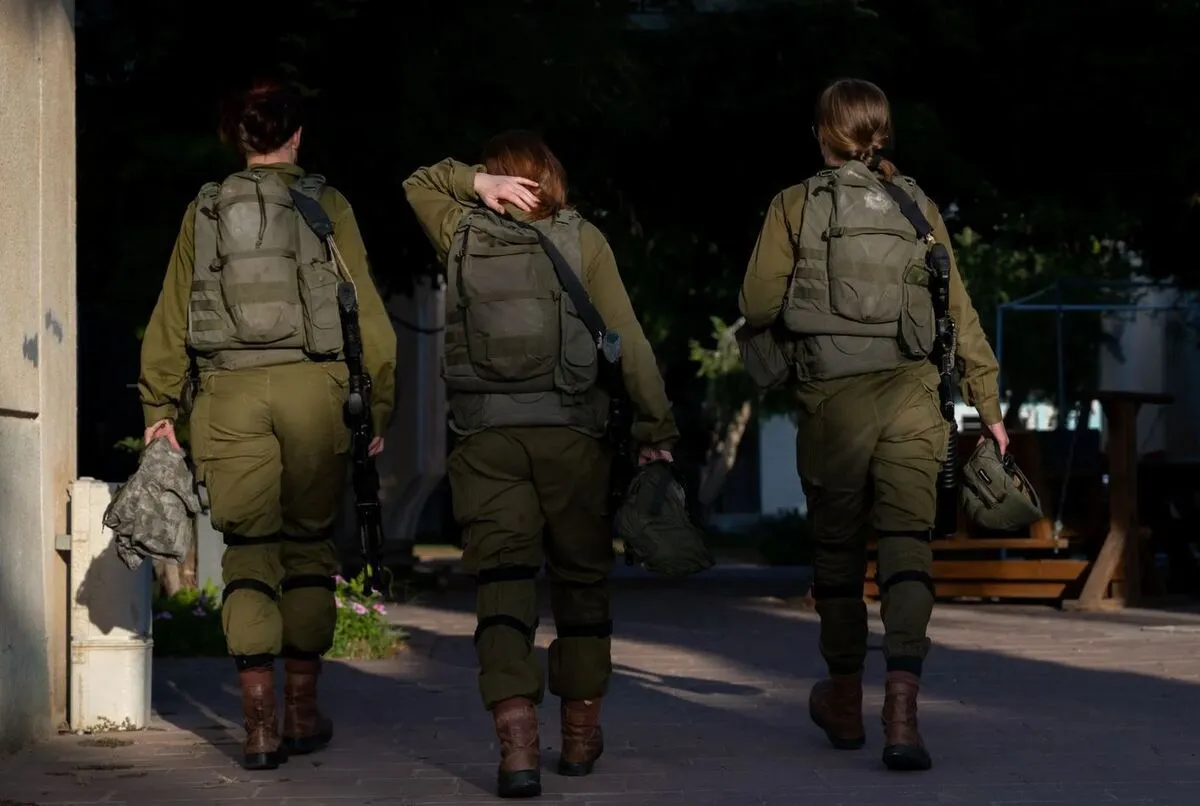
Ahead of the International Day for the Elimination of Violence Against Women (November 25), the latest report from the Association of Rape Crisis Centers in Israel provides a clear picture of the extent of sexual violence within Israeli society. The report not only highlights a significant increase in sexual assault and harassment in educational and workplace environments, but also exposes structural cover-ups by Israeli government and security agencies.
According to the report, Israel now has the highest rate of rape per capita in West Asia, with 15.5 cases per 100,000 people. Many in Israel refer to this as a “silent crisis,” and the centers argue that it is the direct result of weak governance, lack of transparency, and intentional state cover-ups.
The Association, which operates 10 support centers across Israel since 1990, stated that over 51,000 inquiries and reports of sexual violence were recorded in 2024 alone. Of these, 34,400 victims reported repeated sexual assault.
A large portion of victims are minors: 58% of the reports involve children and teenagers, a trend experts describe as evidence of a “collapse of Israel’s ethical and educational structures.”
The organization’s anonymous chat line also saw a 30% surge in reports from teenagers. Women remain the majority of victims, accounting for 86% of the reports.
Unprecedented spike during the Gaza war
The report shows that since the start of the war in Gaza, reports of sexual harassment have risen sharply, indicating significant psychological and social pressure on Israeli society.
Sexual violence reports increased:
- 45% in the education system
- 50% in workplaces
These figures show that sexual violence in Israel is not an isolated phenomenon, but is deeply rooted in the social, security, and educational fabric of the society.
Institutional cover-ups and lack of accountability
A significant portion of the report criticizes the conduct of the Israeli state and its security institutions.
According to the Association, the ministries of Police, Justice, Education, Welfare, Prison Services, and the Military have refused to disclose data on investigations, indictments, and system performance.
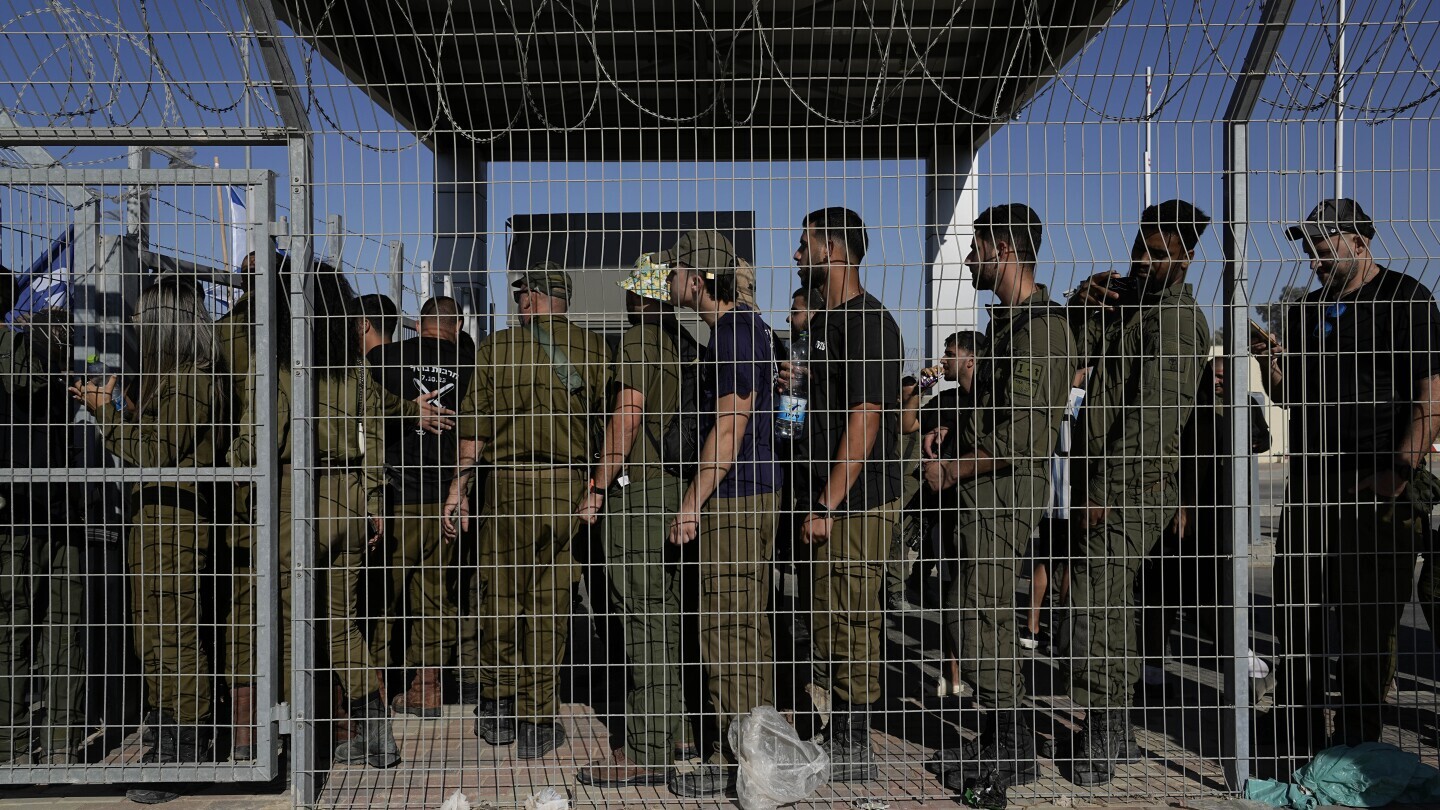
Orit Solitzano, Director-General of the Association, described this behavior as “abandoning responsibility and demeaning victims,” warning that such secrecy has led to:
- A shortage of qualified investigators;
- Mishandling of complaints;
- Rapid dismissal of online cases;
- Offenders frequently escaping punishment
The report adds that only 10% of victims even file a police complaint, and even among those, 81% of cases in 2024 were closed without indictment
3,000 sexual assault cases in the Israeli army
For the first time, the report provides more detailed data on sexual violence in the Israeli military and prison system:
- Nearly 3,000 sexual assault cases were reported in the Israeli military in the past year
- Sexual violence in prisons increased by 24%
Part of these assaults involve systematic sexual abuse of Palestinian detainees, an issue repeatedly raised by human rights groups but denied or concealed by Israeli officials.
Experts warn that the “spillover of abusive culture from prisons and the military into society” is a key driver of the broader surge in sexual violence.
Funding cuts and conflict with the Cabinet
In addition to concealing data, the Israeli cabinet has cut funding to crisis centers, which the Association says has undermined:
- Independent data collection
- Therapeutic support services
- Emergency response capacity for survivors
The organization has already filed multiple administrative petitions and is considering broader legal action.
The annual report by the Israeli Association of Rape Crisis Centers paints a stark picture of one of the deepest social crises facing Israeli society—one visible in schools, workplaces, the army, prisons, and the state itself.