Economic toll of U.S. government shutdown reaches irreversible levels
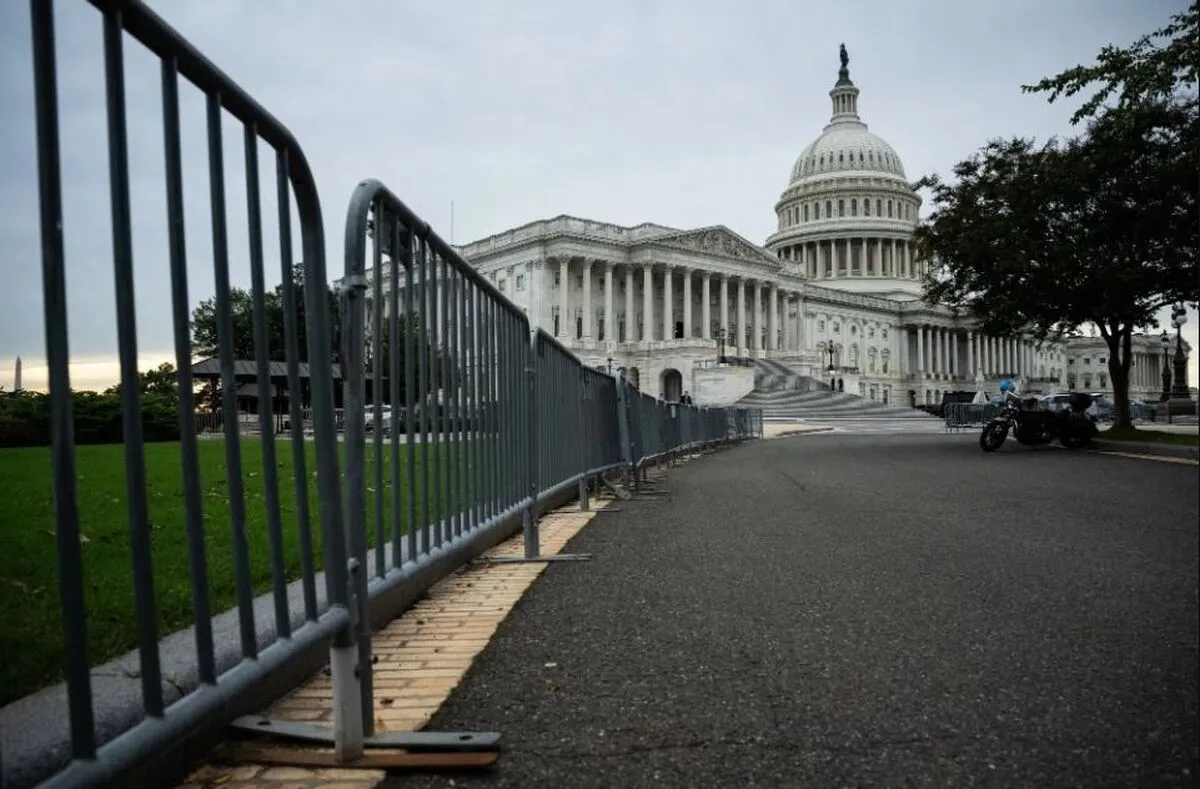
The Congressional Budget Office (CBO), an independent and nonpartisan entity that analyzes the government’s finances, reported that the current federal government shutdown is causing approximately $7 billion in monthly economic losses. According to NBC, these losses will not be fully recovered even after the government reopens.
This figure is equivalent to the annual budget of a small U.S. state, such as Wyoming. Official statistics show that Wyoming’s budget in the last fiscal year was about $5.45 billion.
The CBO provided this new estimate of shutdown damages in a letter to Judy Arrington, chair of the House Budget Committee from the Republican Party.
The U.S. federal government shutdown began on October 1 and has now lasted nearly a full month.
The CBO outlined three scenarios for the duration of the shutdown:
- A four-week shutdown would reduce real GDP (the total value of goods and services produced in the U.S.) by $7 billion.
- A six-week shutdown would increase this loss to $11 billion.
- An eight-week shutdown would bring the total loss to $14 billion.
The office emphasized that economic activity will temporarily surge after the shutdown ends, but a portion of the losses—between $7 and $14 billion—will be permanent.
The main cause of these losses is the reduction in government spending on goods and services and the halt of pay for over one million federal employees.
According to estimates, about 600,000 employees continue to work as “essential personnel,” while an average of 650,000 others are on mandatory unpaid leave.
However, military personnel and certain federal law enforcement officers continue to receive pay through budget reallocation by the White House. Other employees will be compensated for their missed workdays after the government reopens, regardless of whether they worked during the shutdown.
The CBO warned that the longer the shutdown lasts, the more severe its negative economic effects will be across the country.
A federal government shutdown in the U.S. is a unique political phenomenon that occurs when Congress (the House of Representatives and the Senate) fails to approve the budget required to operate the federal government.
The U.S. federal government entered a shutdown on October 1, the start of the new fiscal year, when Congress was supposed to approve the annual budget.
Consequences of the shutdown
The shutdown has widespread effects on American citizens. Reports indicate that about 750,000 federal employees are either working without pay or have been temporarily furloughed. This situation places significant financial pressure on families who rely on government income.
Additionally, approximately 1.3 million federal employees in “essential” jobs—such as air traffic control, the Coast Guard, or federal law enforcement—must continue working without pay, increasing financial and psychological stress for these individuals.
The Guardian reported that past shutdowns (such as in 2018) cost the U.S. economy around $6.5 billion per day. The current shutdown similarly reduces government activity and the purchasing power of federal employees, affecting local retailers, restaurants, and other businesses.
For example, unpaid employees have cut nonessential spending, which has led to a decline in sales in service sectors.