Microsoft: The tech giant behind the first AI genocide
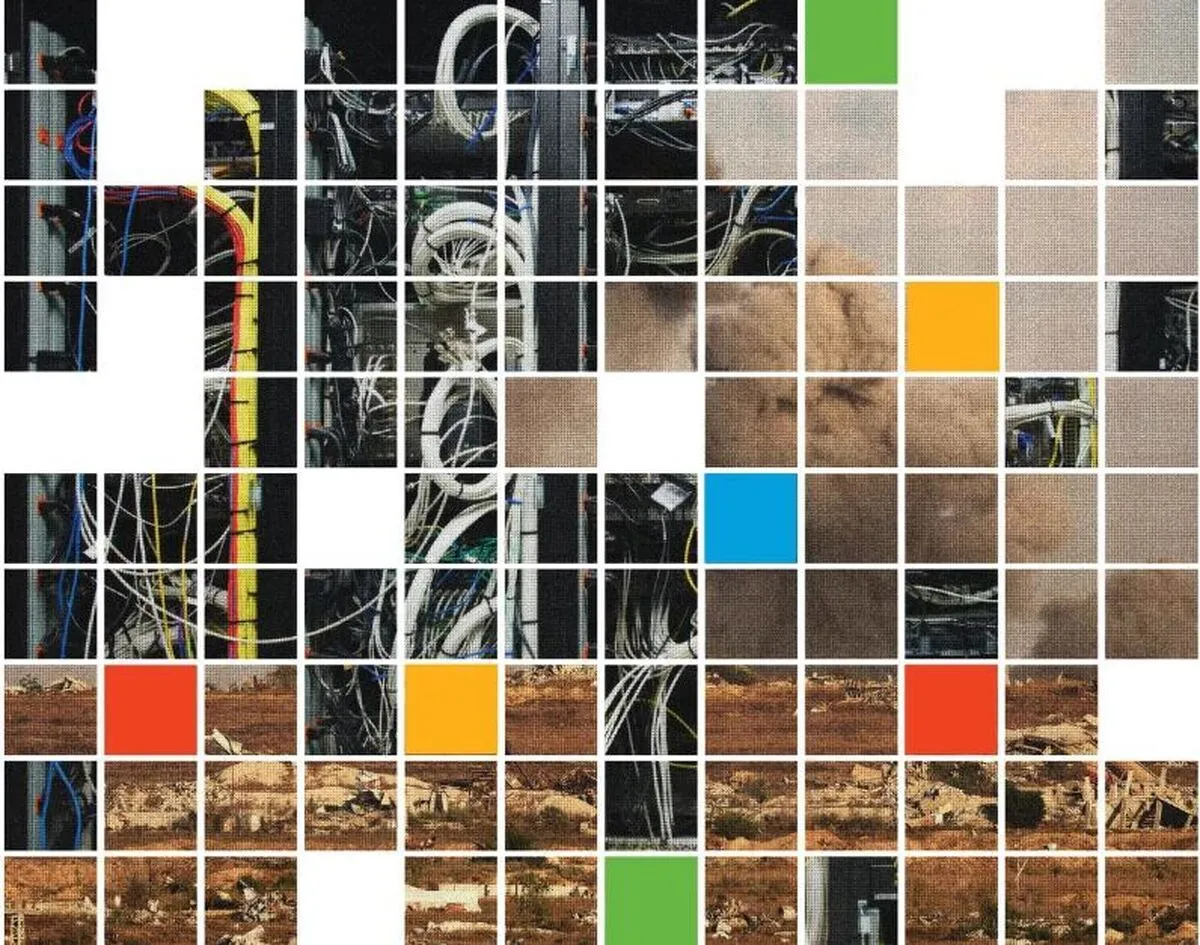
Microsoft is facing growing criticism for its controversial complicity in Israel’s actions in Gaza, with allegations that its technologies have enabled surveillance, targeted killings, and the suppression of Palestinians. Critics argue that the company has played a central role in what experts describe as the world’s first AI-driven genocide.
These allegations, detailed in a report by MintPress News journalist Alan MacLeod, include the use of Microsoft’s cloud platform, Azure, for surveillance and so-called “kill lists,” the recruitment of former Israeli intelligence officers, and the internal suppression of employees opposing the company’s ties to the Israeli military.
As reported by the Associated Press, among U.S. tech companies, Microsoft has had a particularly close relationship with the Israeli military—a connection that deepened after October 7, 2023, the start of the Gaza war.
Since that date, Israeli use of Microsoft Azure has increased more than 200-fold. By July 2024, data stored on Microsoft servers—sourced from surveillance cameras, drones, checkpoints, biometric scans, and phone interceptions—had reached 13.6 petabytes (1 petabyte = 1,024 terabytes), equivalent to 23,000 years of audio or 7 trillion pages of text.
Reports indicate that in 2021, Uzi Sariel, head of Unit 8200, Israel’s special military intelligence division, persuaded Microsoft CEO Satya Nadella to create a dedicated Azure segment for processing intelligence. This system is now reportedly linked to Israel’s AI-based weapon programs. Sariel described the goal as tracking “everyone, always,” using big data to monitor a million calls per hour in Palestine and flag potential targets.
From code to kill lists
According to MintPress research, Unit 8200 has used Azure to generate AI-assisted “kill lists,” scoring individuals based on their proximity to known or suspected members. Once a digital threshold is reached, individuals are added to target lists, often with minimal or no human oversight.
A former Israeli military officer stated that almost no one in the occupied territories is “off the grid” from the intelligence gathered on them.
Reports also indicate that this data has been used to justify post-incident arrests, with harmless social media posts or statements being manipulated to imply connections to resistance groups. One source described the system as a massive repository of kompromat used to coerce Palestinians into compliance or silence.
An Israeli senior officer called the cloud system a “fully-fledged weapon,” though others in the military expressed concerns about strategic vulnerabilities from overreliance on Microsoft technologies.
Microsoft’s response and internal opposition
Microsoft has officially denied any knowledge or involvement in illegal surveillance, claiming the company was never aware of civilians being monitored or phone conversations being collected via its services.
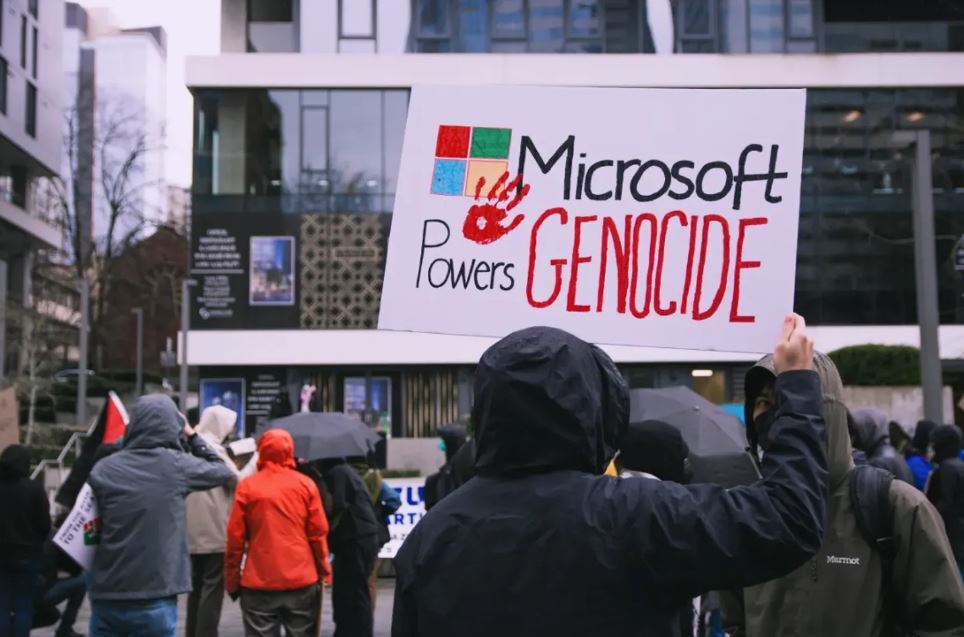
However, leaked internal reports suggest Microsoft engineers were aware of the nature of the processed data. Hundreds of former Unit 8200 officers now work for Microsoft, including in senior engineering roles.
Paul Biggar, founder of the tech advocacy group Tech for Palestine, stated:
“Microsoft says it cannot tell if its customers are committing crimes against humanity, while its employees are working side by side with Israeli soldiers in uniform. It’s absurd.”
Longstanding alliance with Israel
Microsoft has operated in the occupied territories since 1989 and established a research and development center in Herzliya in 1991. Since then, it has developed deep ties with Israeli tech firms, the military, and institutions including the Israeli prison system. Reports indicate Microsoft had over 600 active military contracts in the occupied territories by 2024.
Former Microsoft CEO Steve Ballmer once described the company as, “as much an Israeli company as an American one.” Israeli Prime Minister Benjamin Netanyahu echoed this sentiment, calling the collaboration “a marriage made in heaven.”
Suppression of genocide critics within Microsoft
Internally, employees organized under the banner “No to Azure for Apartheid” have demanded that Microsoft:
- Cancel all Azure contracts with Israel
- Disclose ties with Israeli security institutions
- Publicly call for a ceasefire
- Protect whistleblowers from retaliation
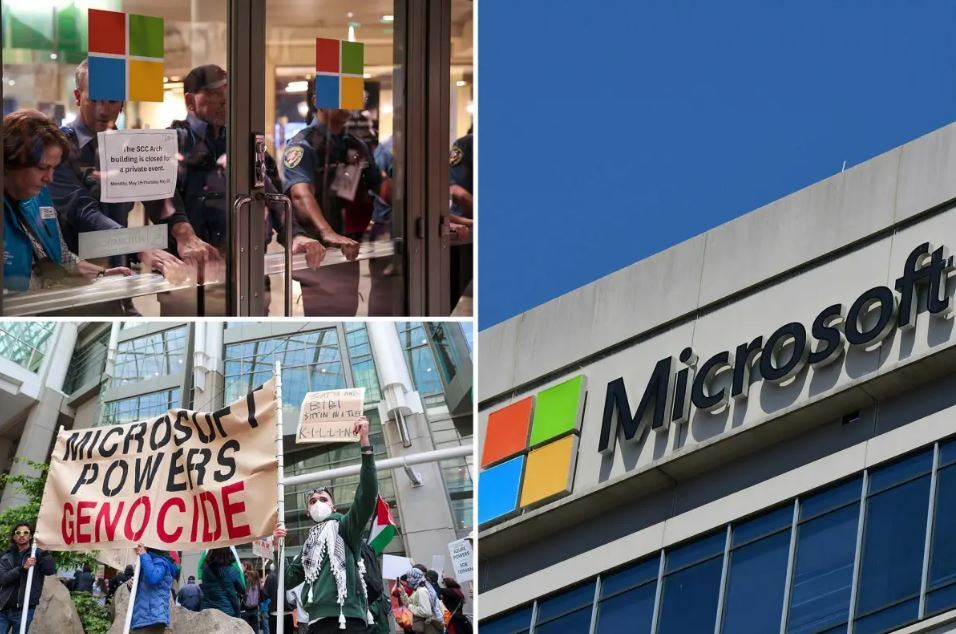
In response, Microsoft reportedly fired employees opposing the policy, blocked internal messages containing words like “Gaza” or “genocide,” and restricted access to pro-Palestinian content.
Internationally, Microsoft has also been accused of interfering with accountability efforts, including reportedly blocking Kareem Khan, the ICC Prosecutor, from accessing its platforms during initial investigations of Israeli officials.
Microsoft and a legacy of complicity
Observers have compared Microsoft’s role in Gaza to IBM’s collaboration with Nazi Germany. Critics argue Microsoft is deeply embedded in Israel’s surveillance and military apparatus, a position with potentially enduring ethical and legal consequences.
As MacLeod’s report concludes, Microsoft’s technology has fueled what many describe as the first AI-assisted genocide in history—raising urgent questions about corporate responsibility, digital warfare, and human rights in the age of artificial intelligence.