Whistleblower: Shireen Abu Akleh’s death was no accident
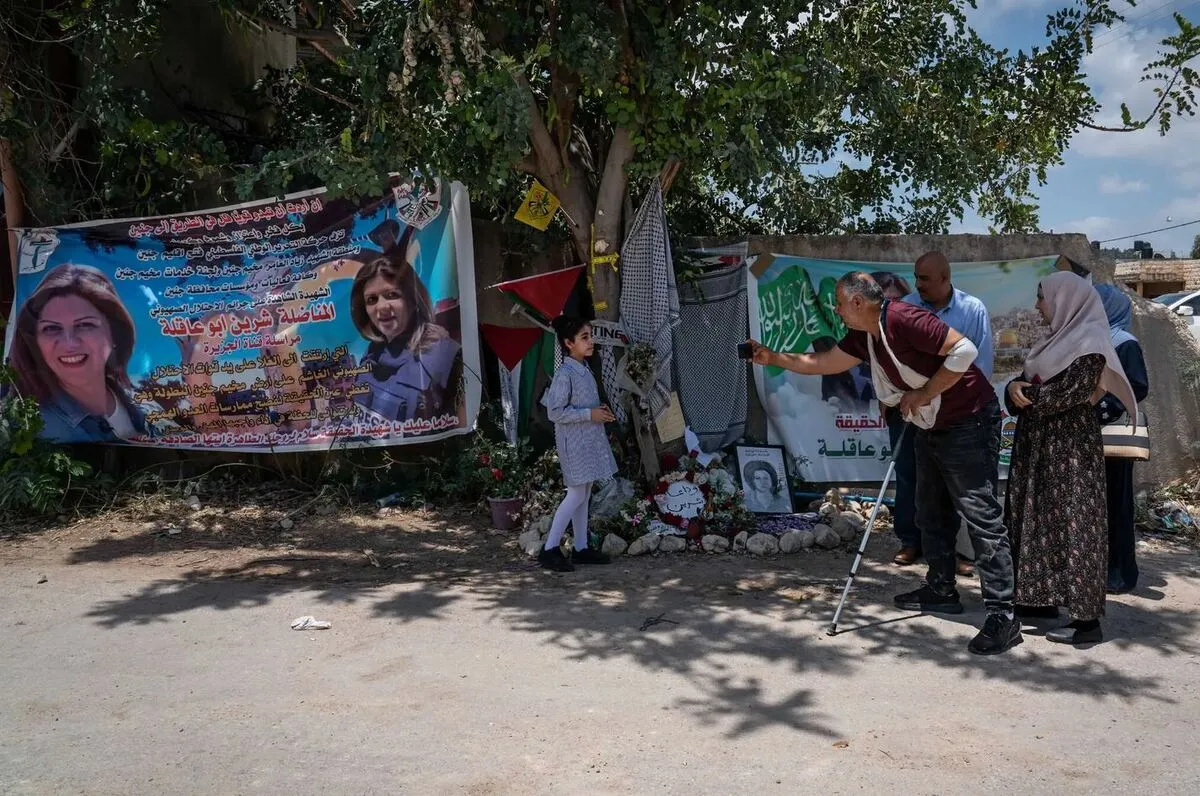
New revelations by New York Times, expose the inner conflict among American officials, shedding light on a controversial handling of justice that continues to haunt those closest to the investigation.
Shireen Abu Akleh was fatally shot while covering an Israeli military operation in the West Bank in May 2022. The U.S. State Department issued a statement attributing the killing to “tragic circumstances,” noting that fire from Israeli military positions was “likely responsible” but asserting there was “no reason to believe that this was intentional.”
This assessment immediately drew outrage from Palestinians and supporters worldwide, who saw it as yet another instance of the Israeli military evading accountability. The Biden administration did not publicly revisit the case after that statement.
Yet, inside the U.S. government, opinion was deeply divided. Five current and former officials involved in the investigation told The New York Times that while the public statement suggested an accident, some officials believed the shooting was deliberate.
Among the most vocal critics of the official line was Colonel Steve Gabavics, a career military policeman with 30 years of experience, including serving as commandant at Guantánamo Bay. At the time, Gabavics worked at the Office of the U.S. Security Coordinator, which coordinates between Israeli and Palestinian security services and conducted the U.S. review of the incident.
Gabavics publicly aired his concerns after retiring in January 2023, first in a documentary by Zeteo News and then in interviews, claiming that the U.S. government had downplayed evidence to protect Israel. In particular, he argued that an Israeli soldier who fired at Abu Akleh likely knew she was a journalist.
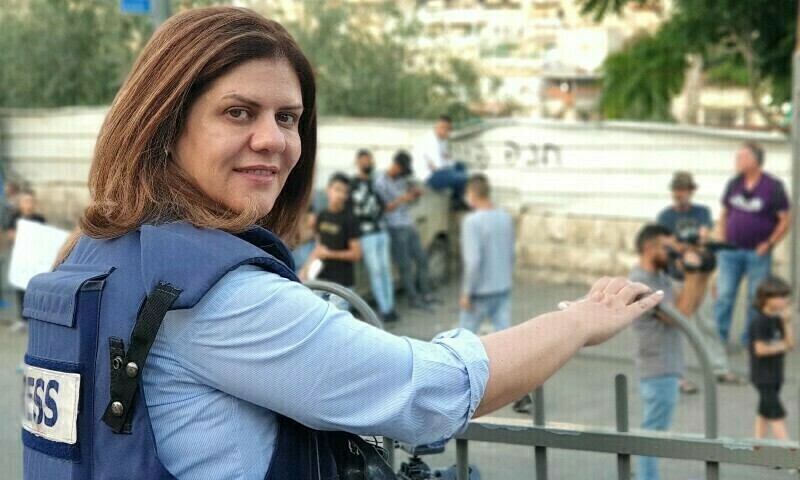
He pointed to radio communications from Israeli forces that morning, which indicated awareness of journalists’ presence, and the positioning of Israeli vehicles from which the shots were fired. He noted that the shots hit Abu Akleh’s head and nearby objects with precision, suggesting a controlled attack rather than random gunfire.
Despite these observations, Lieutenant General Michael Fenzel, Gabavics’ superior at the Office of the U.S. Security Coordinator, maintained that the evidence was insufficient to conclude intent. Fenzel’s team believed the shooting could have occurred in the “fog of war.” The two clashed repeatedly, culminating in Gabavics being sidelined from the investigation and threatened with dismissal. Several former officials described the internal struggle as a tug-of-war between uncovering the truth and preserving diplomatic ties with Israel.
The investigation itself was limited. The Office of the U.S. Security Coordinator was not an investigative body but was tasked with reviewing evidence, which included examining the bullet that killed Abu Akleh and an Israeli rifle in the presence of U.S. officials.
They reviewed Israeli and Palestinian investigations but conducted no independent witness interviews or ballistics tests. Gabavics and colleagues concluded the soldier must have been aware of targeting a journalist. The Palestinian authorities arrived at similar conclusions.
Gabavics’ insistence on the deliberate nature of the shooting clashed with the cautious language of Fenzel and the State Department. Drafts of the office’s report were repeatedly edited to remove stronger statements, and Gabavics’ recommendations were ignored. He later said that the incident “bothered [him] more than any case” in his career, as he believed the evidence for intentionality was clear.
The internal debate also highlighted broader systemic issues. Officials suggested that Fenzel prioritized maintaining a working relationship with the Israeli military, which had historically refused cooperation when displeased, potentially influencing the U.S. decision to downplay findings. Additionally, the FBI initially declined to investigate, citing lack of a request from Israel. Under congressional pressure, it opened its own inquiry in November 2022, but three years later, no results have been released.
For Gabavics and several colleagues, the unresolved nature of the investigation and the public mischaracterization of the evidence represent a miscarriage of justice. The incident underscores the challenges of accountability when geopolitics, military alliances, and bureaucratic discretion intersect.