Ceasefire shadows: Gaza haunted by explosive robots
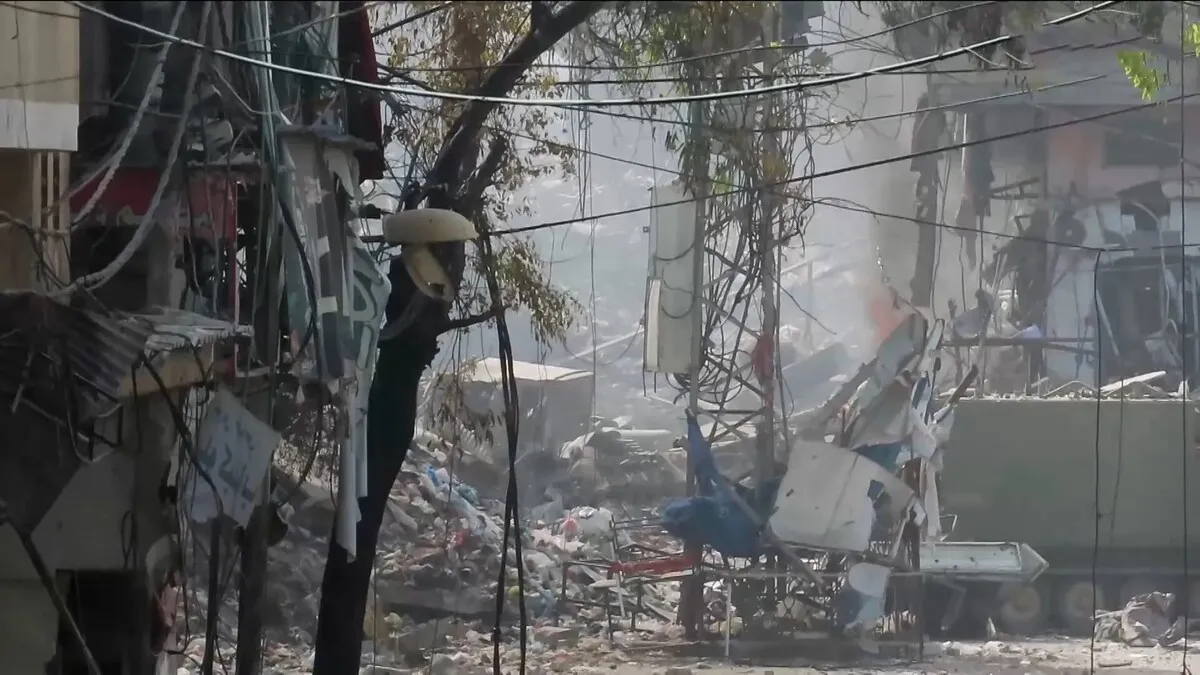
Following the ceasefire in Gaza, displaced Palestinians have been setting up their tents atop the rubble — surrounded by unexploded munitions and the movement of remote-controlled explosive robots. This grim return has turned deadly for war refugees, in a conflict that over two years has left 70,000 dead and 170,000 injured.
During its two-year war on Gaza, the Israeli regime deployed remote-controlled explosive robots across the enclave, causing the deaths of countless Palestinian civilians and widespread destruction.
These robots, controlled via cameras, targeted densely populated neighborhoods—particularly in Shuja’iyya, Nuseirat, Khan Yunis, Rafah, and northern Gaza—without any warning. Families were killed inside their homes without ever knowing what hit them.
Israeli forces have used these explosive robots in crowded residential areas that they besieged and cut off, preventing ambulances and civil defense teams from entering. Human rights groups warn that these booby-trapped robots violate international humanitarian law, as soldiers use them to target civilians under the pretext of “self-defense.”
Rights organizations also emphasize that Gaza has become a testing ground for the Israeli regime’s new and lethal weapons—and that these robots “do not discriminate.”
Remnants of these explosive machines now lie scattered across neighborhoods leveled to the ground, turning what were once residential areas into piles of rubble, twisted metal, and hidden weapons.
As residents begin returning to their towns and homes following the ceasefire, unexploded ordnance—including these explosive robots—pose an extreme danger. The detonation of a single robot can wipe out an entire neighborhood; that’s why locals try to bury them under sand when they see one.
In early September, Gaza’s Government Media Office reported that in just the last three weeks of August, the Israeli regime detonated more than 100 explosive robots.
Luke David Irving, head of the UN Mine Action Service (UNMAS) in the occupied Palestinian territories, described the threat of explosive remnants across Gaza as “extremely high.” His agency has identified at least 560 such devices in accessible areas, though the true number is believed to be far greater.
What are Israel’s explosive robots?
The explosive robots deployed by Israel in Gaza are large armored vehicles carrying powerful bombs, designed to flatten entire city blocks.
These machines first appeared in May 2024, when the Israeli military used them in the Jabalia refugee camp. Since then, they have become a source of terror in northern Gaza.
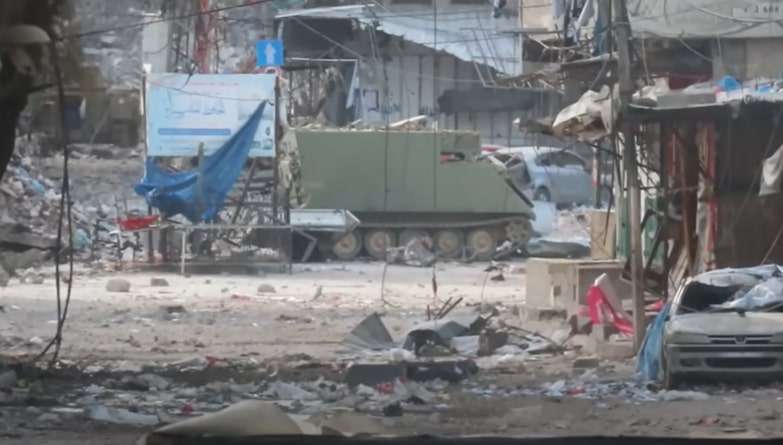
According to a Euro-Med Human Rights Monitor report (September 1), the deployment of these robots accelerated dramatically before the October ceasefire. They were used to destroy around 300 housing units per day in Gaza City and Jabalia.
The robots are armored carriers packed with explosives and dragged to target areas by armored bulldozers. Once Israeli forces retreat, the vehicles are detonated remotely—obliterating everything nearby.
There are two main types of explosive robots used:
(A) Modified tracked vehicles such as old M113 armored personnel carriers, loaded with tons of explosives and detonated remotely to clear entire neighborhoods before ground troops advance.
(B) Smaller ground robots, some designed for mine-clearing, others armed with explosive barrels and sent toward tunnel entrances or densely populated zones.
Reports indicate that the Israeli army places high importance on these robotic vehicles, many of which have also been used by extremist settlers and far-right groups to systematically destroy homes and civilian infrastructure throughout Gaza.
Explosions caused by these robots have triggered multiple building collapses, massive damage to infrastructure, and simultaneous destruction of several homes in crowded neighborhoods.
The spokesperson for Gaza’s Civil Defense said there is little data about the payload of these robots, but their destructive capacity is clear—their “kill radius” extends up to 500 meters, causing catastrophic damage to infrastructure.
The indiscriminate, large-scale destruction caused by these machines classifies them as prohibited weapons, and their use in civilian areas constitutes both a war crime and a crime against humanity.
Neither the Israeli military nor its cabinet has publicly acknowledged using these weapons, although some Israeli media outlets have reported on them.
Deadly consequences
The director of the Palestinian Medical Relief Society in Gaza stated that “the effects of these robots do not end with the explosion.”
He added that explosive robots release toxic fumes and gases, leaving behind a strong, persistent odor that causes serious respiratory problems. Many cases of suffocation and breathing difficulties have been reported, believed to be caused by inhaling gases containing lead and other hazardous chemicals.
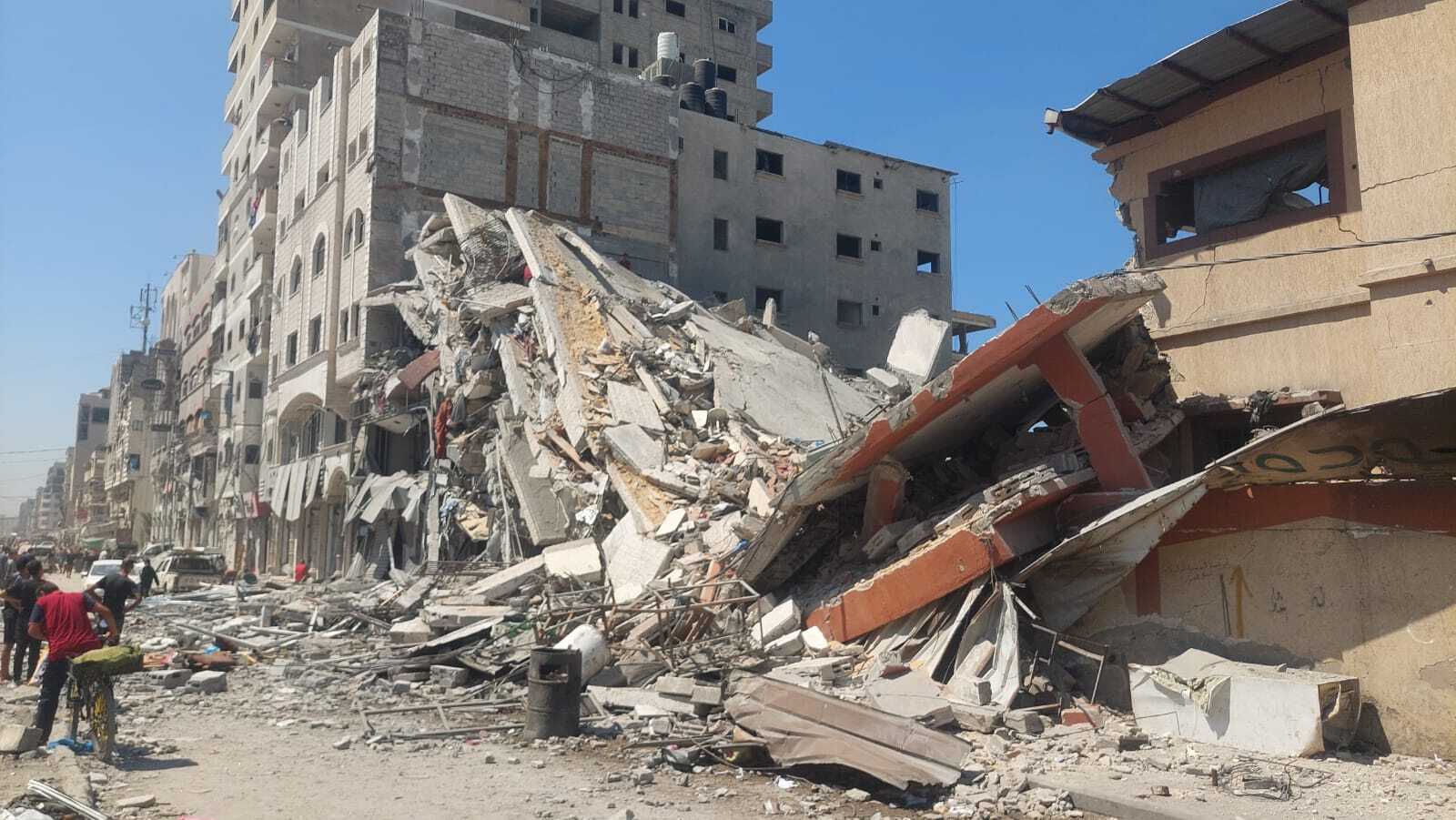
While the full extent of damage from Israel’s two-year war on Gaza is yet to be assessed, unexploded explosive robots have now become a deadly threat to returning displaced residents.
People do not know where these robots lie in wait—nor what to do if they encounter one—adding fear and uncertainty to what should have been a hopeful return home.
Now, as the people of Gaza come back, the danger of unexploded explosive robots looms larger than ever.