Beatings, hunger, and medical neglect: The reality of US detention camps
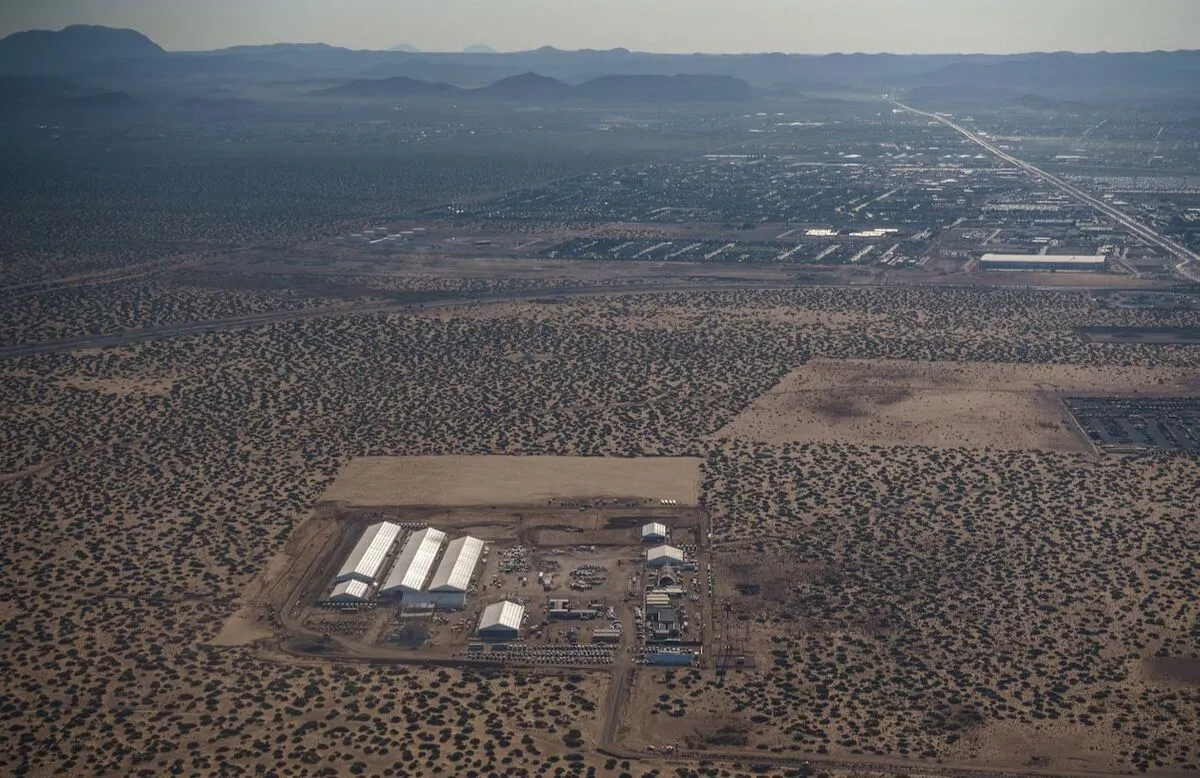
Migrant detention camps in the United States—most of which are operated under the supervision of U.S. Immigration and Customs Enforcement (ICE)—are regarded as one of the largest migrant detention systems in the world, and have faced widespread criticism from human rights organizations, senators, and legal experts.
This system detains hundreds of thousands of people annually and receives a budget of more than $3 billion per year; however, reports point to inhumane conditions, violations of fundamental rights, and preventable deaths.
Documented abuses include physical mistreatment, medical neglect, and the separation of children.
Meanwhile, human rights groups have recently called on ICE to end the detention of migrants at the East Montana camp, a large tent facility located at the Fort Bliss military base in El Paso, Texas.
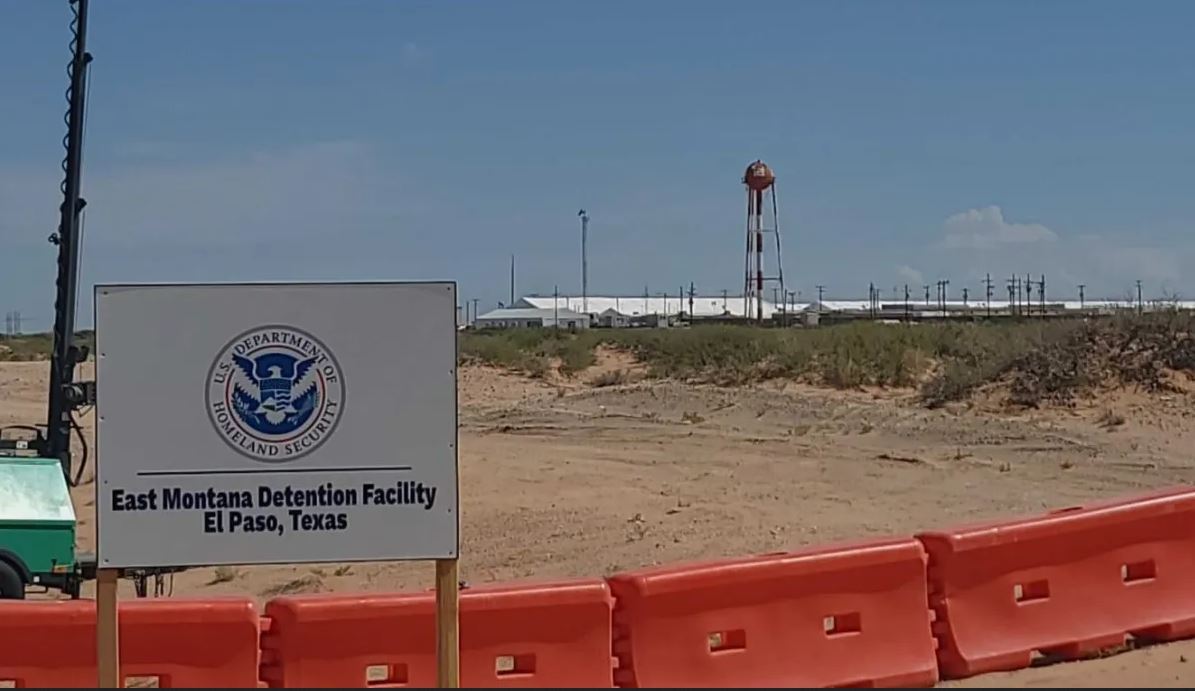
In their letter, human rights activists presented a summary of horrific conditions, including beatings and sexual abuse by officers against detained migrants, coercive threats of forced deportation to third countries, medical neglect, hunger and inadequate food, lack of meaningful access to legal counsel, and other human rights violations.
The letter was released only weeks after an activist warned that detainees at Fort Bliss were being given unsafe drinking water, spoiled food, and insufficient medical care.
The letter followed months of interviews with more than 45 detainees at Fort Bliss and was accompanied by 16 sworn affidavits from migrants held at the facility. Many detainees told attorneys that police officers engage in a widespread and unreasonable pattern of excessive force, including degrading treatment.
A detained teenager named Samuel told lawyers that he had been severely beaten by officers, sustaining injuries across his body, losing consciousness, and being transported to a hospital by ambulance.
According to the letter, Samuel stated that his upper right front tooth was broken when his head was slammed into the ground. He further said that while he was dizzy and struggling to remain conscious, officers mocked him. The teenager added that he has since experienced hearing problems.
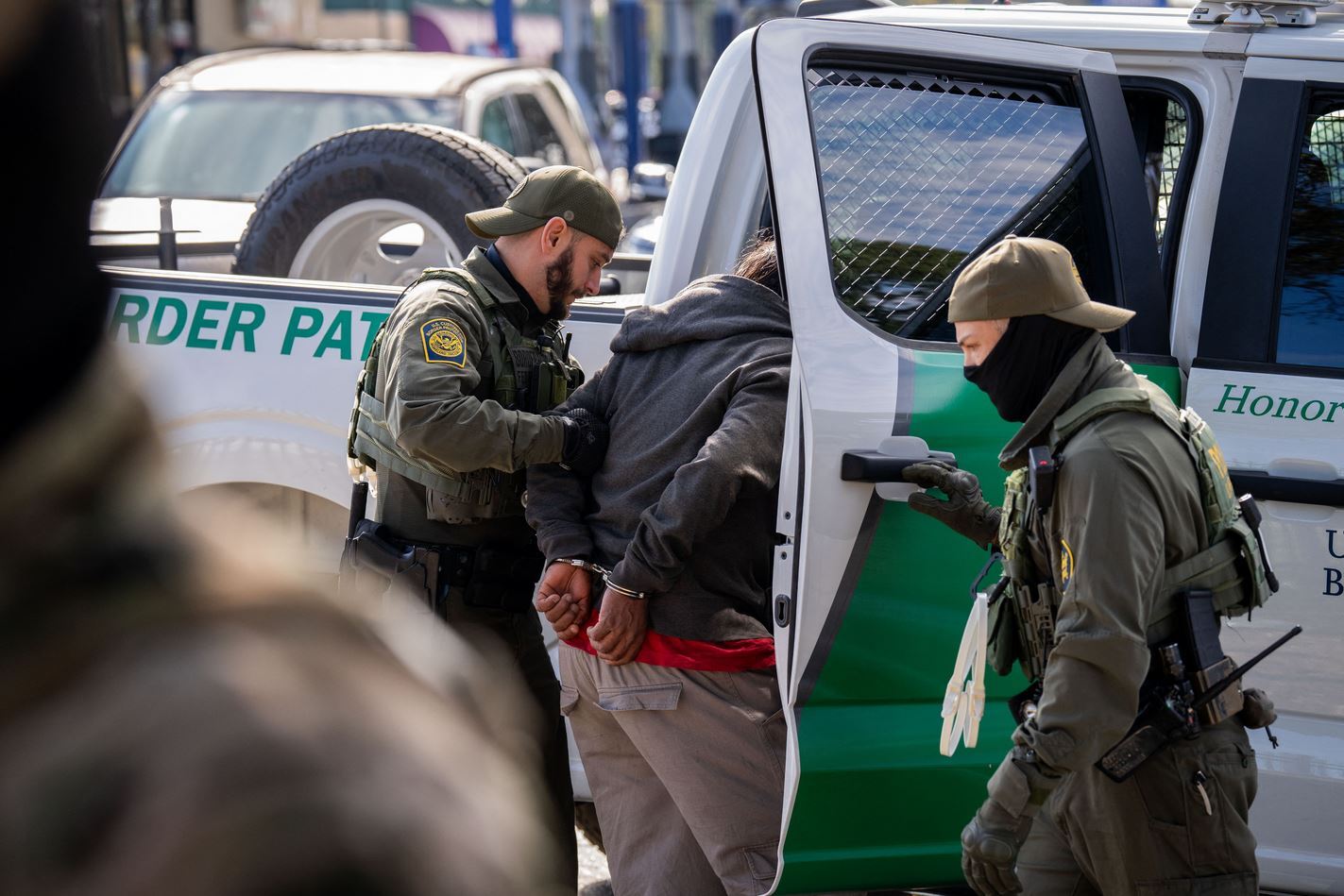
The groups reiterated in the letter their demand for an immediate halt to the deportation of migrants to third countries that have no genuine connection to the individuals being expelled.
Interviewees said that at Fort Bliss, the prospect of such deportations had taken on an especially abusive character. Detainees testified that officers at Fort Bliss beat detainees and used threats of violence, criminal charges, and imprisonment in an effort to force non-Mexican migrants held at Fort Bliss to cross the border into the Mexican desert.
Ignacio, a Cuban migrant imprisoned at Fort Bliss, stated in a sworn affidavit that officers told him he was going to be deported to Mexico. He told attorneys that officers struck him on the head and slammed him against a wall about ten times.
Ignacio also said that officers handcuffed him and about 20 others, put them on a bus, and transported them to the border, where they were told they could get off the bus and go into Mexico.
The letter was signed by the American Civil Liberties Union (ACLU), Estrella del Paso, Human Rights Watch, the Las Americas Immigrant Advocacy Center, the New Mexico Immigrant Law Center, and the Texas Civil Rights Project.
A report by The Washington Post in September 2025 stated that the Fort Bliss facility violated more than 60 federal detention standards within the first 50 days of its opening.
Despite warnings from members of Congress and activists that the site would become a human catastrophe, the U.S. government hastily opened the massive tent camp in August 2025.