A war beyond bombs: Pollution threatens every Palestinian life
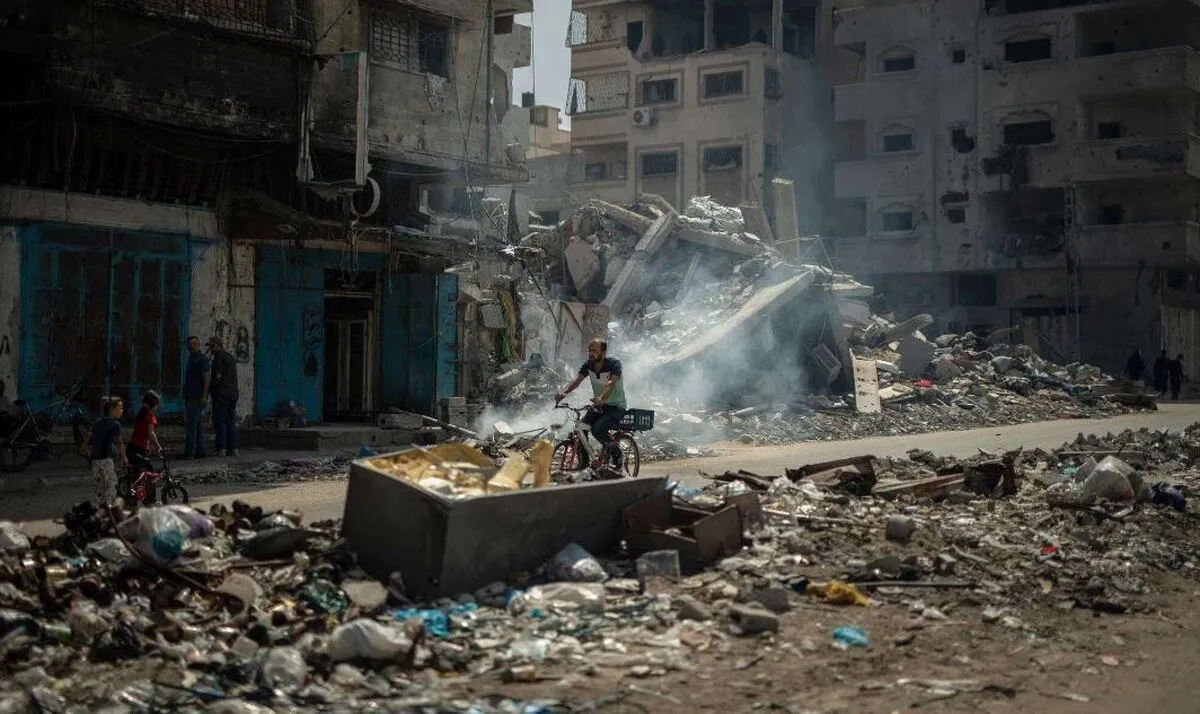
Israel’s war on Gaza, which began on October 7, 2023, has produced not only mass human casualties but also a major environmental disaster.
According to UN agencies and humanitarian organizations, the volume of hazardous waste in the Gaza Strip has surpassed five million tons. This includes 61 million tons of chemically contaminated building debris, two million tons of untreated solid waste, and millions of liters of overflowing sewage.
This massive accumulation is the result of the deliberate destruction of Gaza’s infrastructure, including 56 wastewater treatment stations and 36 hospitals.
Collapse of waste-management infrastructure
Before the war—while already struggling under a 17-year blockade—Gaza managed only 70% of its daily waste. Now, with fuel and electricity cut off, garbage-collection machinery has stopped working. Waste is piling up in streets, displacement camps, and informal dumping sites.
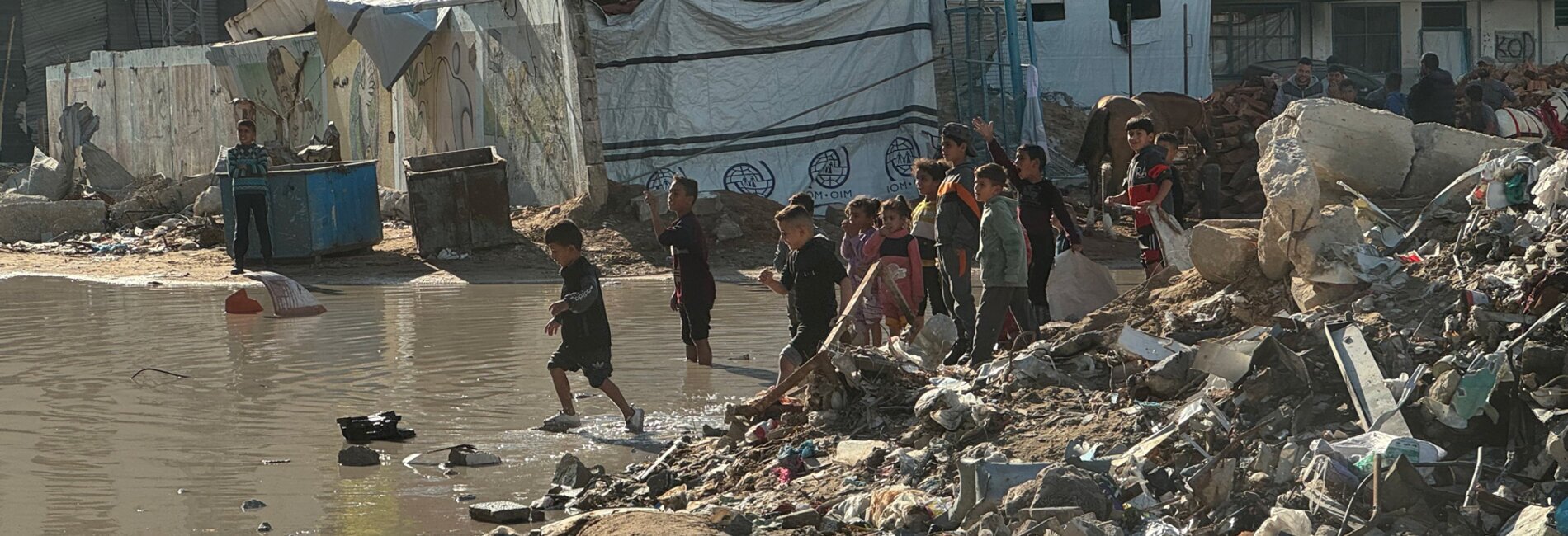
A November 2025 report by the UN Environment Programme (UNEP) emphasizes that the intentional destruction of sewage networks has caused 700 million liters of sewage per day to leak into the ground, directly contaminating groundwater.
A serious threat to public health
Bombing debris—containing lead, mercury, and unstable explosive materials—constitutes a major portion of this waste. Each 500-kg bomb generates at least 10 tons of toxic rubble. With more than 100,000 airstrikes, Gaza has effectively become an “environmental minefield.”
The waste has created ideal conditions for disease outbreaks. The World Health Organization (WHO) reports that since June 2025, hepatitis A cases (linked to contaminated water) have increased by 400%, and more than 500,000 children are at risk of severe malnutrition.
A Gaza municipal official stated that the contamination not only produces foul odors and insects but also spreads skin diseases, gastrointestinal illnesses, and respiratory infections among children.
With heavy rainfall expected in winter, overflowing sewage basins could lead to contaminated floods, worsening the crisis.
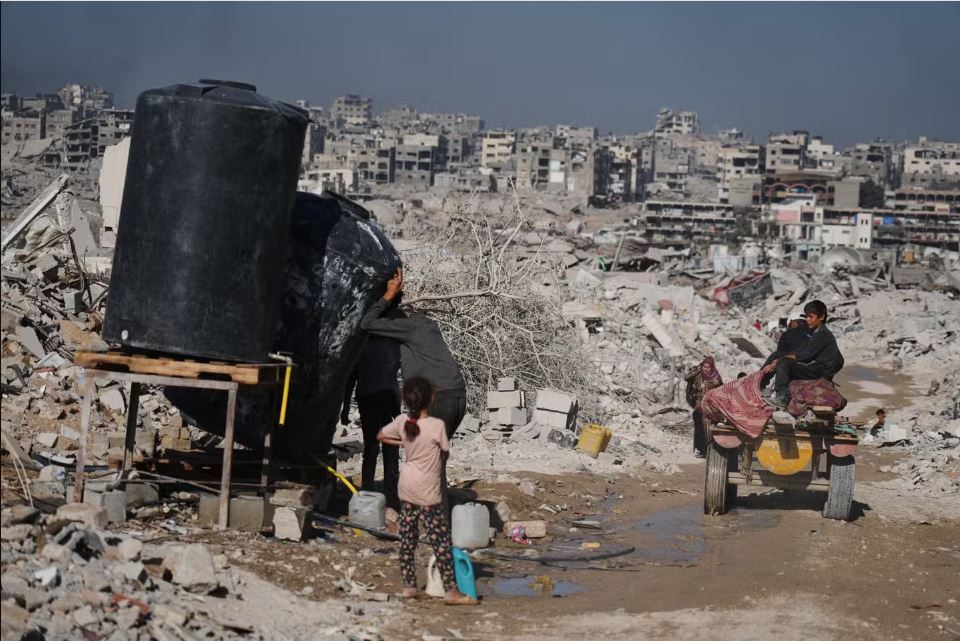
Gaza relies on groundwater for 95% of its water supply—placing it on the brink of a hydrological catastrophe. Sewage leakage and waste runoff have poisoned the aquifers.
UNEP estimates that 97% of Gaza’s water is now undrinkable, and restoring the aquifer could take at least 50 years.
Satellite data shows that the destruction of 500 kilometers of pipelines has pushed pollution toward the Mediterranean coast, threatening marine ecosystems.
Experts warn that the contamination will affect not only Gaza but the entire Palestinian ecosystem, as groundwater does not recognize borders.
Management challenges and accountability
The blockade enforced by Israel prevents the entry of cleanup equipment.
Experts are calling for lifting the blockade to allow 500 waste-transport trucks per day into Gaza and for prosecuting environmental war crimes at the International Criminal Court. But as the war continues, local efforts—such as volunteer-led manual waste-collection campaigns—remain only a drop in the ocean of this unfolding disaster.