Araghchi: If Snapback is activated, the agreement with the IAEA will lose its validity
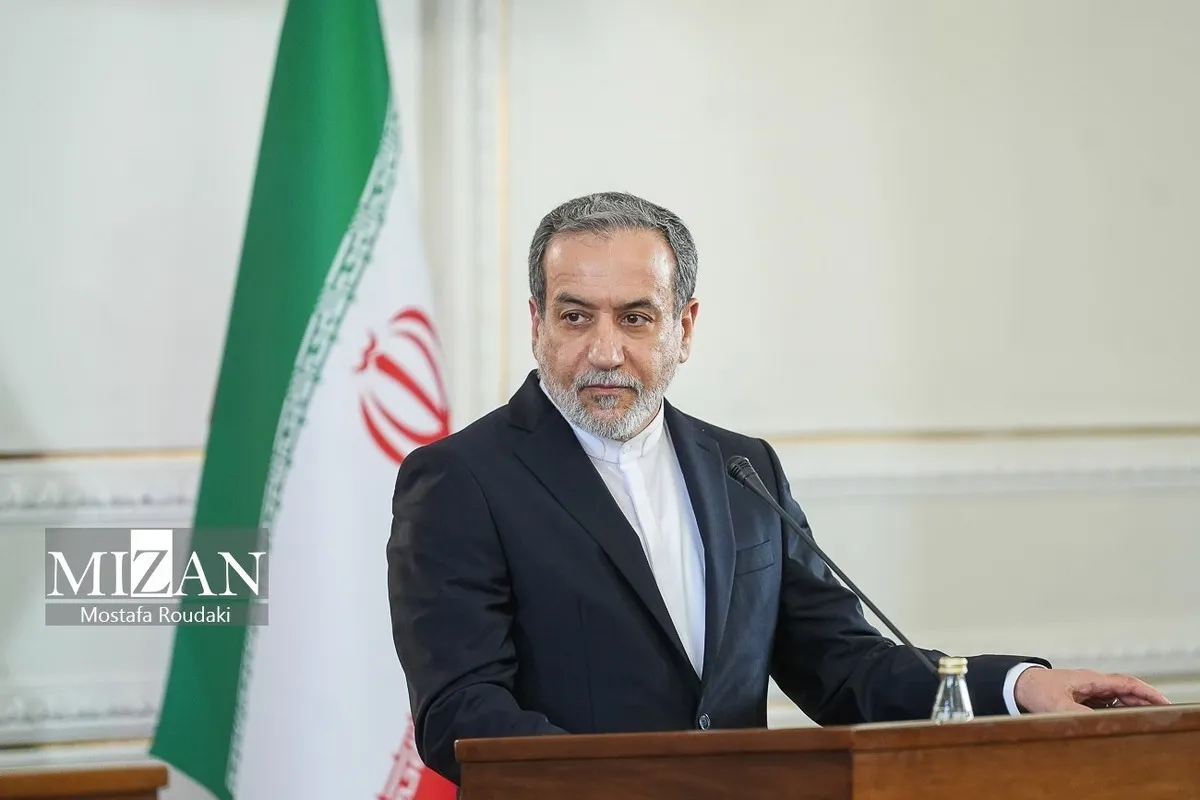
Seyed Abbas Araghchi, Iran’s Foreign Minister, upon arriving in New York to attend the 80th session of the UN General Assembly, said:
“We participate in the UN General Assembly every year and use this international platform to express our positions and defend the rights of the Iranian people. This year’s session is significant for two reasons: first, it marks the 80th anniversary of the UN’s founding; more importantly, we are attending after the aggression and attacks by the Zionist regime and the United States against our country. Therefore, the importance of this year is that we will voice the rightful stance of the Iranian people, highlighting our twelve-day defense from a position of strength and resistance. At the same time, we will stress the peaceful nature of Iran’s nuclear program, reaffirming that the Islamic Republic of Iran is a peace-seeking country. However, as proven during the twelve-day war, in times of conflict we will also defend ourselves powerfully.”
He added: “Today I will have several bilateral meetings and sessions, including participation in a Davos panel. I will also meet with Mr. Grossi to discuss the latest developments in Iran’s nuclear program, our cooperation agreement with the Agency, and the snapback process underway at the Security Council.”
Araghchi further stressed: “In the press conference following the agreement with the IAEA, I made it clear that if the snapback mechanism is ultimately implemented, the agreement with the Agency will lose its validity. That cooperation agreement was made under post-aggression circumstances, and if snapback is enforced, we will be facing new conditions.”
The Foreign Minister underlined: “If the destructive actions of the three European countries in the Security Council are ultimately carried out, Iran will respond, and once again we will enter into a new phase with the Agency. Today we will be discussing the details of these issues.”
He added: “During my trip to New York, I will meet with most of the European foreign ministers. This is a moment where the other side must decide whether to choose cooperation or confrontation.”
Araghchi concluded: “At different times, the Islamic Republic of Iran has been tested, and they know we do not respond to the language of pressure and threats. We only respond to the language of respect and dignity. If there is a solution, it can only be a diplomatic one. I hope that during the consultations of these few days we can reach that point. Otherwise, the Islamic Republic of Iran will take the necessary measures.”