ستاد حقوق بشر: تخریب عامدانه یا بیملاحظه زیرساختهای حیاتی تعرض مستقیم به حقوق یک ملت است
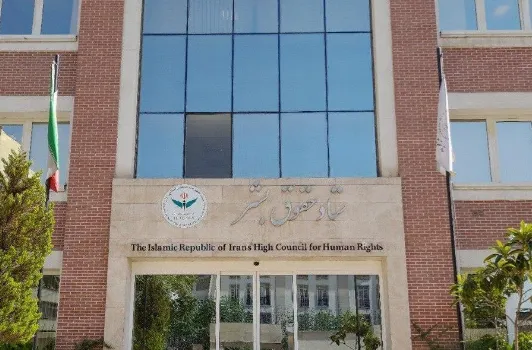
ستاد حقوق بشر طی بیانیهای حملههای آمریکا علیه زیرساختهای غیرنظامی، تاسیسات عمومی و شریانهای حیاتی کشور را که موجب جان باختن و مجروح شدن شهروندان غیرنظامی و تخریب گسترده زیرساختهای خدماتی و حملونقل در استانهای مختلف، بهویژه استانهای جنوبی کشور شده، را محکوم و اعلام کرد: تخریب عامدانه یا بیملاحظه زیرساختهای حیاتی، تنها تخریب چند پل، بندر، تونل یا اسکله نیست؛ بلکه تعرض مستقیم به حقوق یک ملت برای برخورداری از امنیت، توسعه، سلامت، حملونقل، دسترسی به خدمات عمومی، تجارت و معیشت است.
متن این بیانیه به شرح زیر است:
بسمه تعالی
ستاد حقوق بشر جمهوری اسلامی ایران حملات اخیر ایالات متحده آمریکا علیه زیرساختهای غیرنظامی، تاسیسات عمومی و شریانهای حیاتی کشور را که موجب جان باختن و مجروح شدن شهروندان غیرنظامی و تخریب گسترده زیرساختهای خدماتی و حملونقل در استانهای مختلف، بهویژه استانهای جنوبی کشور شده است، به شدیدترین وجه محکوم میکند.
براساس گزارشهای رسمی منتشرشده از سوی وزارت بهداشت، استانداری هرمزگان، پلیس راه، دانشگاههای علوم پزشکی و سایر مراجع ذیصلاح، در جریان این حملات، علاوه بر کشته و مجروح شدن دهها شهروند غیرنظامی از جمله زنان و کودکان، بخش قابل توجهی از زیرساختهای عمومی کشور نیز هدف حمله قرار گرفته است؛ زیرساختهایی که نقشی اساسی در تامین نیازهای روزمره مردم، خدمات امدادی، سلامت، حملونقل، تجارت و معیشت میلیونها شهروند ایفا میکنند.
ازجمله این حملات میتوان به هدف قرار گرفتن پلهای متعدد شهرستان بندر خمیر در استان هرمزگان (پل کهورستان، پل گریوه در محور بندرعباس–خمیر–لار، پل لاتیدان (کلمتلی)، دو پل محور کهورستان–لار، پل محور بندر خمیر–کشار–بندرعباس و پل روستای مارو) اشاره کرد؛ همچنین بنا بر اعلام رسمی پلیس راه، در حملات بامداد ۲۷ تیر ماه، دو تونل و یک پل در محور ارتباطی بندرعباس به سمت حاجیآباد و کرمان نیز آسیب دیده و موجب انسداد موقت و اختلال در یکی از مهمترین شریانهای ارتباطی جنوب کشور شده است.
علاوه بر این، حملات به اسکلههای تجاری و صیادی در شهرستان سیریک، حمله به تاسیسات بندری و برج مراقبت دریایی در بندر چابهار، آسیب به زیرساختهای حملونقل ریلی در بندرعباس، حمله به فرودگاه ایرانشهر و سایر تاسیسات عمومی و خدماتی در استانهای هرمزگان، بوشهر، سیستان و بلوچستان و دیگر مناطق کشور، بیانگر گسترش دامنه حملات به زیرساختهای غیرنظامی و خدمات عمومی است؛ حملاتی که آثار آن صرفا محدود به خسارات فیزیکی نبوده و به طور مستقیم زندگی، سلامت، امنیت، معیشت و دسترسی شهروندان به خدمات اساسی را تحت تاثیر قرار داده است.
براساس ماده ۵۲ پروتکل الحاقی اول ۱۹۷۷ به کنوانسیونهای چهارگانه ژنو، اموال و زیرساختهای غیرنظامی از حمایت ویژه برخوردارند و نباید هدف حمله قرار گیرند، مگر در شرایط استثنایی که واجد تعریف هدف نظامی باشند؛ بر همین مبنا، اصل تفکیک که از قواعد مسلم و عرفی حقوق بینالملل بشردوستانه محسوب میشوند، دولتها را مکلف میسازد همواره میان اهداف نظامی و اموال غیرنظامی تمایز قائل شوند و از حملاتی که خسارات نامتناسب بر غیرنظامیان و زیرساختهای غیرنظامی وارد میکند، خودداری کنند.
علاوه بر این، چنین اقداماتی با تعهدات ناشی از منشور ملل متحد، ازجمله اصل منع توسل به زور علیه تمامیت ارضی و استقلال سیاسی دولتها و نیز با حقوق بنیادین مندرج در اعلامیه جهانی حقوق بشر و میثاق بینالمللی حقوق مدنی و سیاسی، بهویژه حق حیات، حق امنیت شخصی و حق برخورداری از شرایط مناسب زندگی، مغایرت آشکار دارد؛ تخریب عامدانه یا بیملاحظه زیرساختهای حیاتی، تنها تخریب چند پل، بندر، تونل یا اسکله نیست؛ بلکه تعرض مستقیم به حقوق یک ملت برای برخورداری از امنیت، توسعه، سلامت، حملونقل، دسترسی به خدمات عمومی، تجارت و معیشت است.
ستاد حقوق بشر جمهوری اسلامی ایران همچنین یادآور میشود در همین راستا، اظهارات معاون سخنگوی دبیرکل سازمان ملل متحد مبنی بر اینکه دبیرکل سازمان ملل متحد حملات علیه زیرساختهای غیرنظامی را «غیرقابل قبول» میداند، بیانگر اجماع حقوق بینالمللی بر ضرورت حمایت از زیرساختهای غیرنظامی و رعایت قواعد بنیادین حقوق بینالملل بشردوستانه در هر شرایطی است.
ستاد حقوق بشر جمهوری اسلامی ایران از دبیرکل سازمان ملل متحد، شورای امنیت، شورای حقوق بشر، کمیساریای عالی حقوق بشر، کمیته بینالمللی صلیب سرخ و سایر نهادها و سازوکارهای ذیصلاح بینالمللی میخواهد ضمن محکوم کردن حملات علیه زیرساختهای غیرنظامی جمهوری اسلامی ایران، نسبت به ایفای مسئولیتهای قانونی و اخلاقی خود در حمایت از حقوق غیرنظامیان، اتخاذ اقدامات مؤثر برای توقف اینگونه حملات، پاسخگو کردن مسئولان این اقدامات براساس حقوق بینالملل و تضمین جبران خسارات وارده به قربانیان و زیرساختهای غیرنظامی اقدام کنند.
ستاد حقوق بشر جمهوری اسلامی ایران تاکید میکند که سکوت و انفعال در برابر حملات علیه زیرساختهای حیاتی و غیرنظامی، نه تنها موجب تضعیف قواعد بنیادین حقوق بینالملل بشردوستانه و حقوق بشر میشود، بلکه زمینهساز عادیسازی نقض حقوق ملتها و تهدیدی جدی برای صلح، امنیت و نظم حقوقی بینالمللی خواهد بود.
متن انگلیسی این بیانیه به شرح زیر است:
The Statement of the High Council for Human Rights of the Islamic Republic of Iran Condemning the Attacks by the United States of America on the Civilian Infrastructure of the Islamic Republic of Iran and the Gross Violations of International Law and Human Rights
In the Name of God
The High Council for Human Rights of the Islamic Republic of Iran condemns in the strongest possible terms the recent attacks by the United States of America against civilian infrastructure, public facilities, and the country’s vital arteries, which have resulted in the deaths and injuries of civilian citizens and widespread destruction of service and transportation infrastructure in various provinces, particularly the southern provinces of the country.
According to official reports published by the Ministry of Health, the Hormozgan Governorate, the Traffic Police, Universities of Medical Sciences, and other competent authorities, during these attacks, in addition to the killing and injury of dozens of civilian citizens, including women and children, a significant portion of the country’s public infrastructure was also targeted. These infrastructures play an essential role in meeting the daily needs of the people, providing emergency services, healthcare, transportation, trade, and livelihoods for millions of citizens.
Among these attacks, mention can be made of the targeting of multiple bridges in Bandar Khamir County in Hormozgan Province (the Kahurestan Bridge, the Gariveh Bridge on the Bandar Abbas–Khamir–Lar route, the Latidan (Kalamtali) Bridge, two bridges on the Kahurestan–Lar route, the bridge on the Bandar Khamir–Keshar–Bandar Abbas route, and the bridge in the village of Maro). Furthermore, according to the official announcement of the Traffic Police, in the attacks carried out at dawn on July 18, 2026, two tunnels and one bridge on the route connecting Bandar Abbas toward Hajiabad and Kerman were also damaged, resulting in temporary closure and disruption to one of the most important communication arteries in southern Iran.
In addition, the attacks on commercial and fishing docks in Sirik County, the attack on port facilities and the maritime control tower in Chabahar Port, the damage to rail transportation infrastructure in Bandar Abbas, the attack on Iranshahr Airport, and other public and service facilities in the provinces of Hormozgan, Bushehr, Sistan and Baluchestan, and other parts of the country, demonstrate the expansion of the scope of attacks against civilian infrastructure and public services. These attacks have consequences that are not merely limited to physical damage; rather, they have directly affected the lives, health, security, livelihoods, and access of citizens to essential services.
Under Article 52 of Additional Protocol I of 1977 to the Four Geneva Conventions, civilian objects and infrastructure enjoy special protection and must not be made the object of attack, except in exceptional circumstances where they meet the definition of a military objective. Accordingly, the principle of distinction, which is regarded as one of the established and customary rules of international humanitarian law, requires States to distinguish at all times between military objectives and civilian objects and to refrain from attacks that cause disproportionate harm to civilians and civilian infrastructure.
Furthermore, such actions are in clear contradiction with the obligations arising from the Charter of the United Nations, including the principle prohibiting the use of force against the territorial integrity and political independence of States, as well as with the fundamental rights enshrined in the Universal Declaration of Human Rights and the International Covenant on Civil and Political Rights, particularly the right to life, the right to security of person, and the right to an adequate standard of living. The deliberate or reckless destruction of vital infrastructure is not merely the destruction of a number of bridges, ports, tunnels, or docks; rather, it constitutes a direct assault on the rights of a nation to enjoy security, development, health, transportation, access to public services, trade, and livelihood.
The High Council for Human Rights of the Islamic Republic of Iran also recalls that, in this regard, the remarks of the Deputy Spokesperson for the Secretary-General of the United Nations, stating that the Secretary-General of the United Nations considers attacks against civilian infrastructure to be “unacceptable,” reflect the consensus of international law on the necessity of protecting civilian infrastructure and observing the fundamental rules of international humanitarian law under all circumstances.
The High Council for Human Rights of the Islamic Republic of Iran calls upon the Secretary-General of the United Nations, the Security Council, the Human Rights Council, the Office of the High Commissioner for Human Rights, the International Committee of the Red Cross, and other competent international bodies and mechanisms to, while condemning attacks against the civilian infrastructure of the Islamic Republic of Iran, fulfill their legal and moral responsibilities in protecting the rights of civilians, take effective measures to halt such attacks, hold those responsible for these actions accountable under international law, and ensure compensation for the damages inflicted upon victims and civilian infrastructure.
The High Council for Human Rights of the Islamic Republic of Iran emphasizes that silence and inaction in the face of attacks against vital and civilian infrastructure not only weaken the fundamental rules of international humanitarian law and human rights, but also contribute to the normalization of violations of the rights of nations and pose a serious threat to peace, security, and the international legal order.
- بیشتر بخوانید:
- ستاد حقوق بشر: حمله به بیمارستان تخصصی کودکان نقض عمدی اصل تفکیک بهشمار میرود
- ستاد حقوق بشر: حمله به اهداف و زیرساختهای غیرنظامی با اصول بنیادین حقوق بینالملل مغایرت آشکار دارد
انتهای پیام/

