اطلاعیه شماره ۳۱ قوه قضاییه در مورد جنگ تحمیلی سوم؛
بیانیه ستاد حقوق بشر در بررسی قطعنامه نشست اضطراری ۲۴ مارس ۲۰۲۶ شورای حقوق بشر
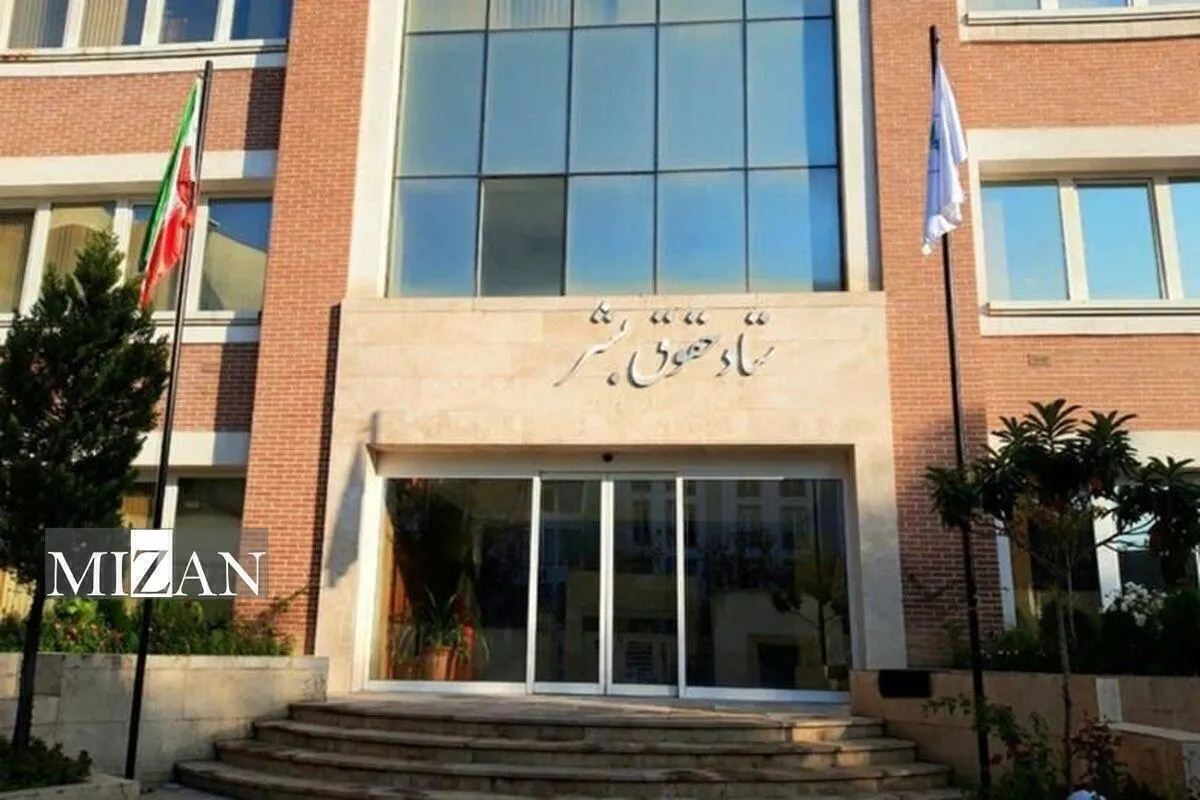
ستاد حقوق بشر ضمن بیان اینکه بیش از یک ماه از آغاز حملات تجاوزکارانه مشترک رژیم صهیونیستی و آمریکا علیه تمامیّت سرزمینی، استقلال و حاکمیّت ملّی جمهوری اسلامی ایران میگذرد، گفت که متآسفانه هنوز در این مدّت، شورای امنیّت سازمان ملل که وظیفه اوّلیه حفظ صلح و امنیّت بینالمللی را بر عهده دارد، نتوانسته یا نخواسته است که اقدامات ضروری را برای اعاده صلح و امنیّت بینالمللی، مطابق منشور ملل متحد اتخاذ نماید و از وخامت بیشتر اوضاع که با نقضهای شدید، فاحش و بیسابقه حقوق بینالملل به ویژه منشور سازمان ملل همراه است، جلوگیری کند.
خبرگزاری میزان -
ستاد حقوق بشر با انتشار بیانیهای در بررسی قطعنامه نشست اضطراری شورای حقوق بشر اعلام کرد: این قطعنامه سیاسی، ناعادلانه و نامتوازن در حالی علیه جمهوری اسلامی ایران تصویب گردیده است که مطابق حقوق بینالملل، دولتهای ثالث از اینکه قلمروی آنها به شکل مستقیم یا غیر مستقیم برای ایراد صدمه و ضرر به دیگر دولت ها مورد استفاده قرار گیرد، منع شدهاند.
متن این بیانیه به شرح زیر است:
بیش از یک ماه از آغاز حملات تجاوزکارانه مشترک رژیم صهیونیستی و آمریکا علیه تمامیّت سرزمینی، استقلال و حاکمیّت ملّی جمهوری اسلامی ایران میگذرد و متآسفانه هنوز در این مدّت، شورای امنیّت سازمان ملل که وظیفه اوّلیه حفظ صلح و امنیّت بینالمللی را بر عهده دارد، نتوانسته یا نخواسته است که اقدامات ضروری را برای اعاده صلح و امنیّت بینالمللی، مطابق منشور ملل متحد اتخاذ نماید و از وخامت بیشتر اوضاع که با نقضهای شدید، فاحش و بیسابقه حقوق بینالملل به ویژه منشور سازمان ملل متحد همراه است، جلوگیری نماید.
حملات غیرضروری و بدون دلیل موجّه بیدلیل رژیم صهیونیستی و آمریکا، ممنوعیت اساسی استفاده از زور، برابری حاکمیّت، تمامیّت ارضی و وظیفه حل و فصل مسالمتآمیز اختلافات را طبق ماده ۲ منشور سازمان ملل را صریحاً نقض نموده است. در چنین شرایط بیقانونی و هرج و مرج، جمهوری اسلامی ایران که تحت شدیدترین حملات غیرقانونی و غیرانسانی در راستای اهداف اعلام شده استعماری و توسعه طلبانه رژیم صهیونیستی و آمریکا قرار گرفته است، خود را موظّف به دفاع از تمامیّت سرزمینی، حاکمیّت ملّی و مردمش، مطابق ماده ۵۱ منشور ملل متحد و قواعد حقوق بینالملل میداند.
شورای حقوق بشر سازمان ملل متحد در حالی نشست فوری ۲۴ مارس ۲۰۲۶ برگزار نمود که متأسفانه به صورت آشکار بار دیگر، تجاوز مجدّد رژیم صهیونیستی و آمریکا به ایران را در تاریخ ۹ اسفند ۱۴۰۴ (۲۸فوریه ۲۰۲۶) نادیده گرفت و کم ترین اشاره ای به مسؤولیت رژیم صهیونیستی و آمریکا که آغازگر این جنگ تجاوزکارانه و بی ثباتی های ناشی از آن در منطقه غرب آسیا شدهاند، نداشت و در حداقلترین اقدام که انتظار می رفت، آن را محکوم نکرد. بدون تردید، این قصور و همچنین نادیده انگاشتن بخش مهمّی از واقعیّت های موجود، نمیتواند صلح و امنیّت، توسعه و حقوق بشر را که ستونهای نظام ملل متحد و پایههای امنیّت و رفاه جمعی هستند را به همراه داشته باشد.
این قطعنامه سیاسی، ناعادلانه و نامتوازن در حالی علیه جمهوری اسلامی ایران تصویب گردیده است که مطابق حقوق بینالملل، دولتهای ثالث از اینکه قلمروی آنها به شکل مستقیم یا غیرمستقیم برای ایراد صدمه و ضرر به دیگر دولت ها مورد استفاده قرار گیرد، منع شدهاند. در این ارتباط، بند «و» ماده ۳ قطعنامه ۳۳۱۴ مجمع عمومی سازمان ملل متحد، یکی از مصادیق تجاوز نظامی را «اقدام یک کشور در اجازه دادن به استفاده از سرزمین خود که در اختیار کشور دیگری قرار داده است، توسط آن کشور دیگر برای ارتکاب عمل تجاوز علیه کشور ثالث» می داند. علاوه بر این، به عنوان یک اصل اساسی حقوق بینالملل، دولتها باید از اقدام به تجاوز نظامی از سوی نیروهایی که در قلمرو آنها مستقر هستند، علیه کشورهای دیگر ممانعت به عمل آورده و آن را تسهیل یا حمایت نکنند. بدیهی است در صورت نقض تعهدات بنیادین مذکور، دولتهای دیگری که از سرزمین آنها علیه دولت ثالث، تجاوز نظامی صورت گرفته باشد، دارای مسؤولیت های حقوقی بین المللی از جمله در رابطه با جبران خسارات مستقیم و غیرمستقیم وارده میباشند.
در ارتباط با ادعاهای مطرح شده درباره آزادی کشتیرانی خاطر نشان میگردد، همواره موضع اصولی جمهوری اسلامی ایران، بر احترام کامل به قواعد و حقوق حاکم بر دریاها استوار بوده است. با وجود این، متأسفانه شرایط پیچیده کنونی، به طور مستقیم نتیجه تجاوز و اقدامات غیرقانونی طرفهای متجاوز برخلاف حقوق بینالملل است و مسؤولیت کامل وضعیت کنونی و اختلال در عبور و مرور ایمن در آبراهها و تنگههای بینالمللی بهطور کامل بر عهده همان طرفهای متجاوز قرار دارد. انتظار میرود نهادهای متولی صلح و امنیّت بینالمللی اقدامات لازم را برای توقف این تجاوز و بازگرداندن شرایط عادی به آبراهها و تنگههای بینالمللی انجام دهند.
با توجّه به نادیده انگاشتین نقضهای فاحش و سیستمایک حقوق بشر و بشردوستانه از آغاز این جنگ تحمیلی علیه مردم ایران از جمله حملات به زیرساختهای غیرنظامی، مراکز فرهنگی، تأسیسات حیاتی، پالایشگاهها، بیمارستانها، مجتمعهای صنعتی و مناطق مسکونی، از اعضای شورای حقوق بشر انتظار میرود «بیطرفی و عدم گزینش در بررسی مسائل حقوق بشر، و حذف استانداردهای دوگانه و سیاسیکاری» را با توجّه به قطعنامه 60/251 مجمع عمومی سازمان ملل متحد (۱۵ مارس ۲۰۰۶) به طور جدّی مورد توجّه قرار دهند تا هر گونه اقدام برای حمایت از حقوق بشر به طور واقعی و ملموس مؤثر واقع گردد.
در پایان ضمن تأکید بر حسن همجواری و احترام به حاکمیّت و تمامیّت سرزمینی دولتهای همسایه، جمهوری اسلامی ایران خود را قویاً متعهد به قواعد حقوق بینالملل بشر و بشردوستانه میداند و معتقد است که درک متقابل کشورهای منطقه از تهدیدات موجود و همکاری مبتنی بر حسن نیّت برای حل بحرانهای پیش رو گام مهمی برای حفظ صلح، ثبات و حقوق بشر در منطقه غرب آسیا است.
متن انگلیسی این بیانیه به شرح زیر است:
*The Statement of the High Council for Human Rights of the Islamic Republic of Iran on Examination of the Resolution of the UN Human Rights Council Urgent Session on March 24, 2026*
More than a month has passed since the start of the joint aggression by the Zionist Regime and the United States against the territorial integrity, independence, and sovereignty of the Islamic Republic of Iran, and unfortunately, during this period the United Nations Security Council, whose primary duty is to maintain international peace and security, has not been able or willing to take the necessary measures to restore international peace and security in accordance with the UN Charter, and to prevent the worsening of the situation, which is accompanied by severe, flagrant, and unprecedented violations of international law, especially the UN Charter.
The unnecessary and unjustified, baseless aggression of the Zionist Regime and the United States has explicitly violated the fundamental prohibition on the use of force, the equality of sovereignty, territorial integrity, and the obligation to settle disputes peacefully under Article 2 of the UN Charter. In such a state of illegality and anarchy, the Islamic Republic of Iran, which finds itself under the harshest illegal and inhumane attacks aligned with the colonialist and expansionist objectives announced by the Zionist Regime and the United States, considers itself obliged to defend its territorial integrity, sovereignty, and its nation, in accordance with Article 51 of the UN Charter and the international law regulations.
The United Nations Human Rights Council convened an urgent meeting on March 24, 2026, but unfortunately, once again and openly, it ignored the renewed aggression of the Zionist regime and the United States against Iran on 28 February 2026 and did not make even the minimal reference to the responsibility of the Zionist Regime and the United States, which initiated this aggressive war and the instability it caused in the West Asia region, nor did it condemn them in the minimal expected action. Undoubtedly, this failure and the overlooking of a significant part of the present realities cannot bring peace, security, development, and human rights, which are the pillars of the United Nations system and foundations of collective security and welfare.
This political, unjust, and imbalanced resolution was adopted against the Islamic Republic of Iran, even though, under international law, third-state governments are prohibited from allowing their territories to be used directly or indirectly to inflict injury or damage on other states. In this regard, paragraph ‘f’ of Article 3 of UN General Assembly Resolution 3314 defines an act of aggression as ‘an act of a state allowing the use of its territory by another state to commit an act of aggression against a third state.’ Furthermore, as a fundamental principle of international law, states must refrain from and not facilitate or support aggression by forces situated within their territory against other states. It goes without saying that if these fundamental obligations are violated, other states from whose territory aggression was launched against a third state bear international legal responsibilities, including for the compensation of direct and indirect damages incurred.
In relation to the claims raised about freedom of navigation, it should be noted that the principled stance of the Islamic Republic of Iran has always been based on full respect for the rules and rights governing the seas. Nevertheless, the current complex conditions directly result from the aggression and illegal actions of the aggressor parties in violation of international law, and the full responsibility for the present situation and disruption of safe passage through international waterways and straits rests entirely with those aggressor parties. It is expected that the relevant international peace and security bodies take the necessary measures to stop this aggression and restore normal conditions to the international waterways and straits.
Given the disregard for clear and systematic human rights and humanitarian law violations since the start of this war of aggression against the nation of Iran, including attacks on civilian infrastructure, cultural centers, critical facilities, refineries, hospitals, industrial complexes, and residential areas, the members of the Human Rights Council are expected to seriously take into account “neutrality and non-selectivity in examining human rights issues, and the removal of double standards and politicization†in light of General Assembly Resolution 60/251 (March 15, 2006) so that any action to support human rights becomes truly effective.
Finally, while underscoring good neighborliness and respect for the sovereignty and territorial integrity of neighboring states, the Islamic Republic of Iran reiterates its strong commitment to international humanitarian law and human rights norms, and believes that mutual understanding among regional countries about existing threats and cooperation based on good faith to address the crises ahead is a crucial step toward upholding peace, stability, and human rights in West Asia region.
انتهای پیام/


ارسال دیدگاه
دیدگاهتان را بنویسید
نشانی ایمیل شما منتشر نخواهد شد. بخشهای موردنیاز علامتگذاری شدهاند *