بیانیه ستاد حقوق بشر در محکومیت نقض گسترده حقوق بشر و حق محیط زیست سالم درپی حملههای تجاوزکارانه آمریکا و رژیم صهیونیستی
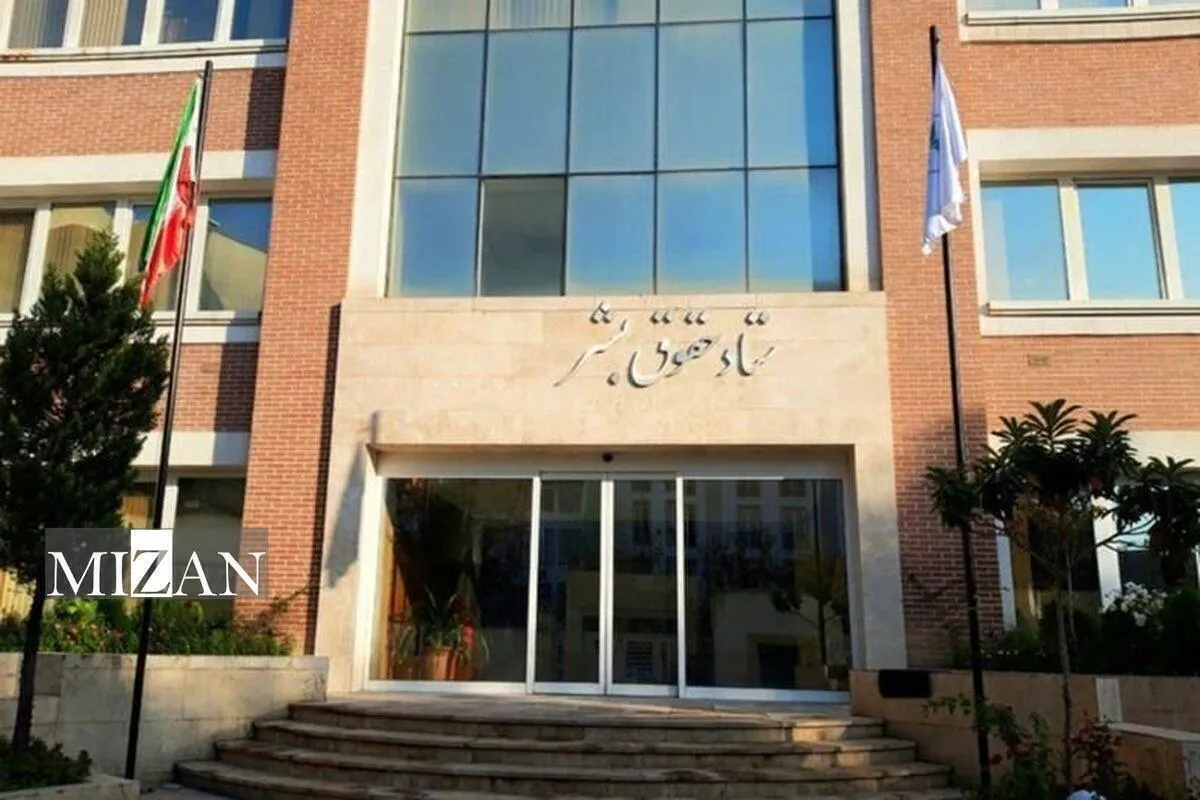
ستاد حقوق بشر با انتشار بیانیهای تجاوزات اخیر آمریکا و رژیم صهیونیستی به ایران و حملات گسترده و عامدانه علیه زیرساختهای حیاتی ذخیره و انتقال سوخت در مناطق شهران، شهرری و فردیس کرج را محکوم کرد.
متن کامل این بیانیه به شرح زیر است:
ستاد حقوق بشر جمهوری اسلامی ایران با شدیدترین عبارات، تجاوزات اخیر آمریکا و رژیم صهیونیستی به ایران و حملات گسترده و عامدانه علیه زیرساختهای حیاتی ذخیره و انتقال سوخت در مناطق شهران، شهرری و فردیس کرج را محکوم میکند. جنایات رخ داده پیامدهای گسترده زیستمحیطی و انسانی به همراه داشته و متاسفانه به واسطه شرایط جوی خاص و بارش باران این آثار سوء، تشدید شده و به طور جدی حق بر حیات و سلامت شهروندان به ویژه اقشار آسیب پذیر از جمله زنان، کودکان، سالخوردگان و افراد دارای معلولیت را در معرض خطر جدی قرار داده است. این جنایات عمدی که با هدف آسیب رساندن به مردم و شهروندان غیر نظامی دنبال شده ابعاد وسیعی از نقض حقوق بین الملل، موازین و تعهدات حقوق بشری و حقوق بشردوستانه را در پی داشته است.
این حملات موجب انتشار گسترده آلایندههای خطرناک، آلودگی شدید زیست محیطی و تهدید مستقیم سلامت میلیونها شهروند شده و عملاً محیط زیست شهری را با آسیبهای شدید و بالقوه بلندمدت روبه رو کرده است. چنین اقداماتی را باید نمونهای آشکار از نقض حق بنیادین انسانها بر برخورداری از محیط زیست سالم دانست؛ حقی که امروزه در نظام حقوق بینالملل به عنوان یکی از حقوق بنیادین بشر و از مؤلفههای اساسی حقوق نسل سوم شناخته میشود.
پرواضح است حمله به زیرساختهای غیرنظامی، بهویژه منابع انرژی که تأمینکننده نیازهای اساسی جامعه اعم از برق، گرما و حملونقل هستند، میتواند منجر به اختلال گسترده در زندگی شهروندان، محرومیت از خدمات اولیه و در نهایت نقض حقوق اساسی بشر گردد. کنوانسیونهای بینالمللی،از جمله کنوانسیونهای ژنو (۱۹۴۹)، به صراحت حمله به اهداف غیرنظامی را ممنوع کرده و بر لزوم حفاظت از جمعیت غیرنظامی در مخاصمات مسلحانه تأکید دارند.
تجاوزات اینچنینی که با هدف وارد کردن آسیب حداکثری به توانمندیهای اقتصادی و معیشتی یک ملت صورت میگیرد، مصداق بارز نقض حقوق بشر و حقوق بشردوستانه بینالمللی بوده و مسؤولیت فراگیر جدی را برای عاملان آن به همراه دارد.از منظر حقوق بینالملل، این جنایات با اصول و قواعد بنیادین متعددی در تعارض آشکار قرار دارد. از جمله:
اول ، بر اساس مفاد کنوانسیون منع استفاده نظامی یا هرگونه استفاده خصمانه از تکنیکهای تغییر محیط زیست (ENMOD) مصوب ۱۹۷۶، استفاده از شرایط و عناصر طبیعی بهگونهای که موجب ایجاد آثار زیانبار گسترده، بلندمدت یا شدید بر انسانها و محیط زیست شود، ممنوع است. بهرهگیری عامدانه از شرایط جوی برای تشدید آثار آلودگی و انتشار مواد سمی، با روح و هدف این کنوانسیون در تعارض جدی قرار دارد.
دوم، مطابق مواد ۳۵ و ۵۵ پروتکل الحاقی اول به کنوانسیونهای چهارگانه ژنو، استفاده از روشها و ابزارهایی در مخاصمات مسلحانه که موجب خسارات گسترده، شدید و بلندمدت به محیط زیست طبیعی شود، ممنوع است. حمله به تأسیسات مواد سوختی در مجاورت مناطق مسکونی پرجمعیت و ایجاد مخاطرات شدید گسترده برای محیط زیست و سلامت عمومی، میتواند مصداق نقض این تعهدات بنیادین تلقی شود.
سوم، پیامدهای ناشی از این حملات، از جمله تهدید سلامت عمومی، آلودگی هوا و آسیب به محیط زیست شهری، با تعهدات دولتها در قبال حق بر حیات و حق بر سلامت که در اسناد مهمی همچون میثاق بینالمللی حقوق مدنی و سیاسی مورد تأکید قرار گرفتهاند، ناسازگار است.
ستاد حقوق بشر جمهوری اسلامی ایران در سالهای اخیر که جامعه بینالمللی بیش از پیش بر مفهوم «حفاظت از محیط زیست در زمان مخاصمات مسلحانه» و همچنین مسئولیت بینالمللی دولتها در قبال تخریبهای گسترده زیست محیطی تأکید کرده است. حملاتی از این دست، که پیامدهای آن متوجه سلامت و زندگی شهروندان است، نگرانیهای جدی در زمینه مسؤولیت بینالمللی عاملان آن ایجاد میکند.
در همین راستا، ستاد حقوق بشر جمهوری اسلامی ایران اعلام میدارد که:
_ابعاد حقوقی و انسانی این رخداد در مجامع بینالمللی ذیصلاحیت مورد پیگیری قرار خواهد گرفت؛
_مستندسازی آثار تخریبی انسانی و زیستمحیطی این حملات با هدف ارائه در سازوکارهای حقوقی و بینالمللی در حال انجام است؛
_جامعه بینالمللی، سازمانهای حقوق بشری و نهادهای تخصصی محیط زیست باید در برابر چنین اقدامات خطرناکی موضعی روشن و مسئولانه اتخاذ کنند.
ستاد حقوق بشر همچنین بر این نکته تأکید میکند که حفاظت از محیط زیست و سلامت غیرنظامیان در شرایط مخاصمه، یک تعهد مشترک و غیرقابل اغماض در حقوق بینالملل معاصر است و هرگونه اقدام مغایر با این اصول، نهتنها امنیت زیستمحیطی یک کشور بلکه سلامت و امنیت انسانی در سطح منطقهای و جهانی را تهدید میکند.
در پایان، ستاد حقوق بشر جمهوری اسلامی ایران ضمن ابراز همدردی صمیمانه با شهروندانی که در اثر این حملات متحمل خسارات مادی و آسیبهای زیستمحیطی شدهاند، بر ضرورت پاسخگویی و مسؤولیتپذیری بینالمللی نسبت به نقضهای جدی حقوق بشر و محیط زیست تأکید میکند.
متن انگلیسی بیانیه نیز به شرح زیر است:
The Statement of the High Council for Human Rights of the Islamic Republic of Iran in Condemnation of Extent Violation of Human Rights and the Right to Clean Environment following the aggressive attacks by the United States and the Zionist Regime.
The High Council for Human Rights of the Islamic Republic of Iran strongly condemns the recent aggression by the United States and the Zionist Regime against Iran and their extent and deliberate attacks against the vital infrastructure for energy supply and transportation in Shahran, Shahr-e-Rey, and Fardis (karaj).
These criminal acts have had widespread environmental and human consequences and unfortunately the rain has exacerbated the negative impacts, resulting in a serious risk for the life and health of citizens, particularly vulnerable groups including women, children, the elderly and persons with disabilities.
These purposeful crimes aiming at injuring citizens has brought about wide range of violations of international law and human rights and humanitarian obligations.
These attacks resulted in the extent spread of dangerous pollutants, serious environmental pollution and direct threat to the health of millions of citizens، causing the city environment face long lasting severe potential harms. Such acts are clear examples of violation of the fundamental human right of enjoying clean environment; the right which is considered as one of the fundamental human rights and a basic component of human rights third generation in the international law.
Clearly, the attack to civil infrastructure, particularly energy resources providing fundamental needs of the society such as electricity, heat and transportation, can result in widespread disruption in the life of citizens, depriving them of access to basic services, and therefore, in the violation of human rights fundamental rights.
International conventions, including Geneva conventions (1949), have explicitly forbidden the attack to civil objects and have emphasized the necessity to the protection of civilians in the armed conflicts.
Such aggressions, aimed at maximum damage to the economic and livelihood capacities of a nation, is a clear example of violation of international human rights and humanitarian rights and brings about comprehensive serious responsibility for the perpetrators.
In the context of the international law, these criminal acts are incompatible with several fundamental principles and regulations, including:
1. According to the Convention on the Prohibition of Military or any Hostile Use of Environmental Modification Techniques (ENMOD) 1976, using natural conditions and elements in a way that cases widespread, long lasting and severe harmful effects on human beings and the environment is forbidden. Purposeful use of the climatic conditions to intensify the impacts of pollution and the distribution of toxic fumes is in contrast with this convention.
2. According to articles 35 and 55 of first additional protocol to the Four Geneva Conventions, using methods and tools in the armed conflicts that may result in extent, severe and long lasting damages to the natural environment is forbidden.
Attacks to fuel facilities near residential areas and creating widespread serious risks to the environment and public health can be considered as violation of these fundamental obligations.
3. The consequences of these attacks, including threats to public health, air pollution and harms to civil environment, is incompatible with the obligation of states to safeguard the right to life and the right to health emphasized in instruments such as the International Covenant on Civil and Political Rights.
In recent years the international community has emphasized the concept of “conserving the environment during armed conflicts” as well as the international responsibility of states regarding extend environmental destructions. Such attacks, with their consequences threaten the health and life of civilians, causes serious concern in the field of international responsibility of the perpetrators.
Accordingly, the High Council for Human Rights of the Islamic Republic of Iran announces that:
- The human and legal aspects of this event will be pursued in competent international organizations;
- The documentation of human and environmental damages of these attacks is being done with the aim of presenting them to the legal and international mechanisms,
- The international community, human rights organizations and specialized bodies in the field of environmental issues are supposed to take clear and responsible positions in the face of such dangerous acts.
The High Council for Human Rights of the Islamic Republic of Iran also emphasizes that conserving the environment and the health of civilians in a conflict condition, is a shared obligation in the contemporary international law. Any acts contrary to these principles threatens not only the environmental security of a country but also the health and safety of individuals at regional and global level.
Finally, the High Council for Human Rights of the Islamic Republic of Iran while sympathizing with the citizens who have suffered material losses and environmental harms, emphasizes the necessity of international responsibility and accountability regarding serious human rights and environmental violations.
انتهای پیام/

