“A cover-up in slow motion”: Starmer accused of stalling child abuse investigation
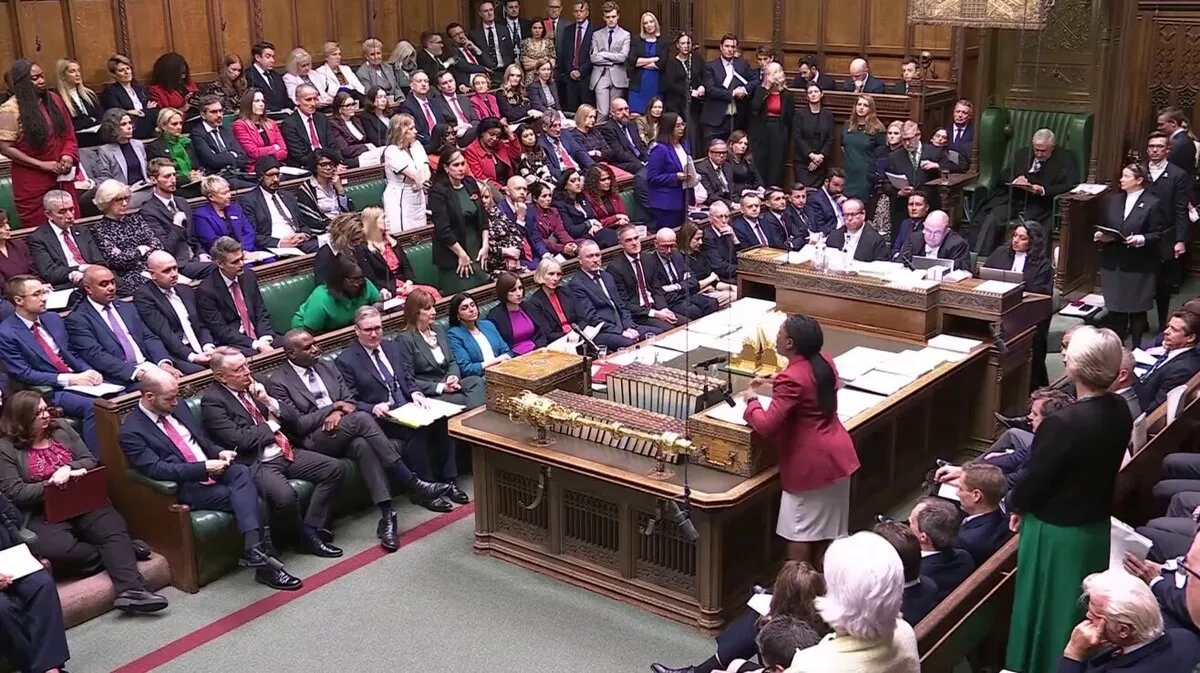
During a tense parliamentary session, MPs demanded to know why the government has failed to initiate the promised national investigation into organized child exploitation networks, despite repeated commitments. Critics accused Starmer’s government of failing to show sufficient commitment to victims, arguing that its bureaucratic delays have eroded public trust.
Members of the Conservative Party and the Liberal Democrats accused the government of political hesitation and fear of ethnic or social sensitivities, which they say have led to inaction in addressing so-called group-based child abuse cases. They warned that public institutions—from the police to social services—have repeatedly failed to prevent similar crimes, fueling systemic distrust across British society.
Home Secretary Shabana Mahmood, responding to the criticism, said the government is determined to conduct the national inquiry in a “transparent and comprehensive” manner, focusing specifically on known cases of child exploitation. She insisted that the government’s goal is not to conceal the truth, but to ensure such crimes never happen again. Her assurances, however, failed to satisfy the opposition, and the session remained highly charged.
The so-called “group-based child abuse” scandals in the UK refer to a series of systematic sexual exploitation cases targeting teenage girls, first exposed in the 1990s in towns such as Rochdale, Rotherham, and Oxford. Following these revelations, numerous local officials and police officers were accused of ignoring early warnings—allegedly out of fear of being labeled racist or due to political pressure. This led the government at the time to promise a comprehensive inquiry into the roots of the crisis.
In June 2024, following a damning report by Baroness Louise Casey, who condemned the government’s institutional failures, the UK announced plans to launch a statutory national inquiry into organized child abuse. Yet, since then, the process has stalled amid administrative complications, and even the appointed inquiry chair has resigned, sparking anger among victims’ families and civil society groups. They accuse the government of dodging responsibility and undermining the inquiry’s credibility.
Survivors have voiced deep frustration, saying that the government is diluting the focus of the investigation by diverting attention to secondary issues. They fear the inquiry could once again get lost in bureaucracy. Many insist that justice and accountability must be achieved before public trust in the criminal justice system can be restored.
Government officials, on the other hand, claim that the inquiry is inherently complex, as it involves collecting data spanning several decades across multiple regions. They argue that the process will take time. Nevertheless, media and political pressure on Starmer’s government continues to grow, as the public waits to see whether his promises to “reform the system of handling sexual crimes” will finally materialize—or fade into yet another political scandal.