Refugee homelessness doubles in England amid ongoing policy shifts
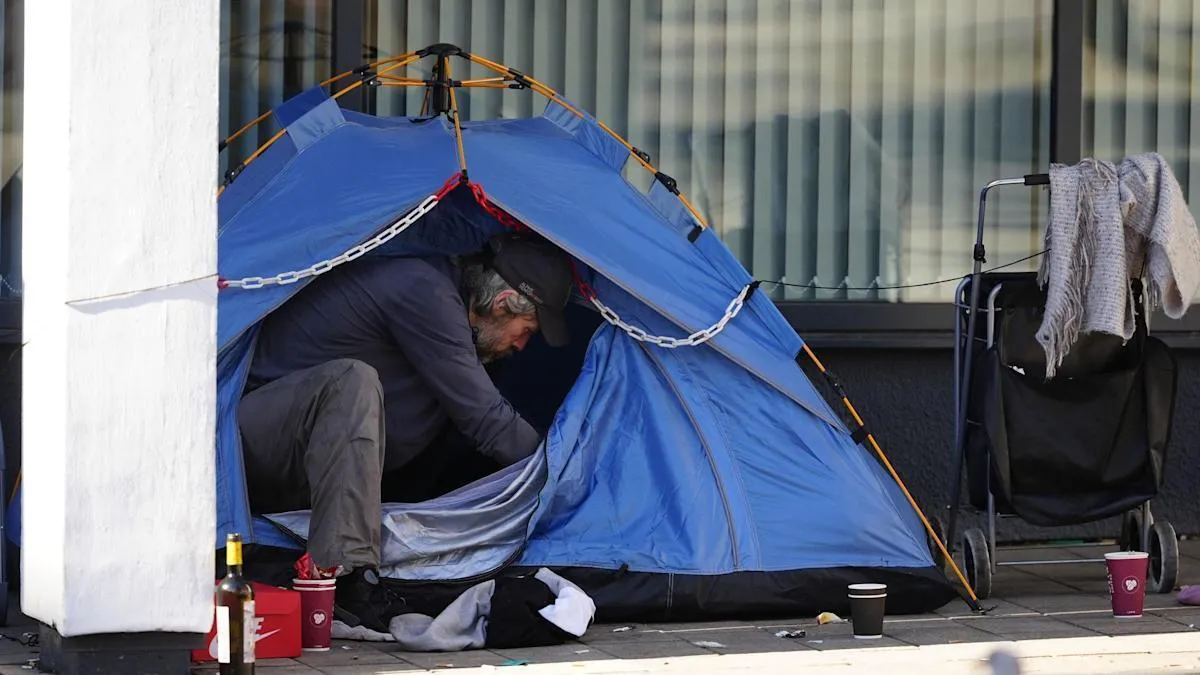
According to a network of over 100 organizations across England, thousands of refugees are facing a growing homelessness crisis. The network reports that refugee homelessness has more than doubled in the past two years.
The Guardian reports that NACCOM, a national charity composed of 140 organizations advocating for the rights of migrants and refugees, attributes this increase to nearly constant government policy changes and the introduction of electronic visas, which some refugees have been unable to activate in order to access vital services and support.
NACCOM network members identified at least 3,450 additional refugees and migrants in 2024–2025 who could not be housed, noting that the actual figure is likely higher.
Bridget Young, NACCOM’s director, said: “Our survey findings paint a bleak picture of a continuous, unending crisis. Successive governments, through constant and reactive policy changes, have created a hostile environment that pushes people further into poverty and homelessness, making it harder to find a way out.”
She added that the survey period coincided with a summer marked by organized far-right riots, and anti-immigrant sentiment continues to influence mainstream policies. Recent government announcements on policies expected to further increase homelessness and poverty reinforce these challenges.
The charity Asylum Welcome, which works on migrant and refugee rights, reported that some individuals sleeping on the streets were attacked, and their few possessions were destroyed by people supporting anti-immigration protests.
In a separate development, a Home Office pilot program that began in December 2024 extended the relocation period for new refugees from 28 to 56 days, giving people more time to find alternative housing and employment. This pilot ended in September, and the relocation period for single adults returned to 28 days.
According to an internal Home Office letter, the relocation period for more vulnerable groups—including patients, people with disabilities, and the elderly—will also be reduced to 28 days by the end of this month.
There is no indication of any immediate change to this shortened relocation period, which NGOs associate with the rise in street homelessness among refugees.
The policy has been challenged in the UK Supreme Court, and some injunctions have been issued to halt the enforcement of the 28-day relocation period due to the risk of poverty, including in an emergency case in October.