Social media, stress, and stabbings: Europe’s school crisis
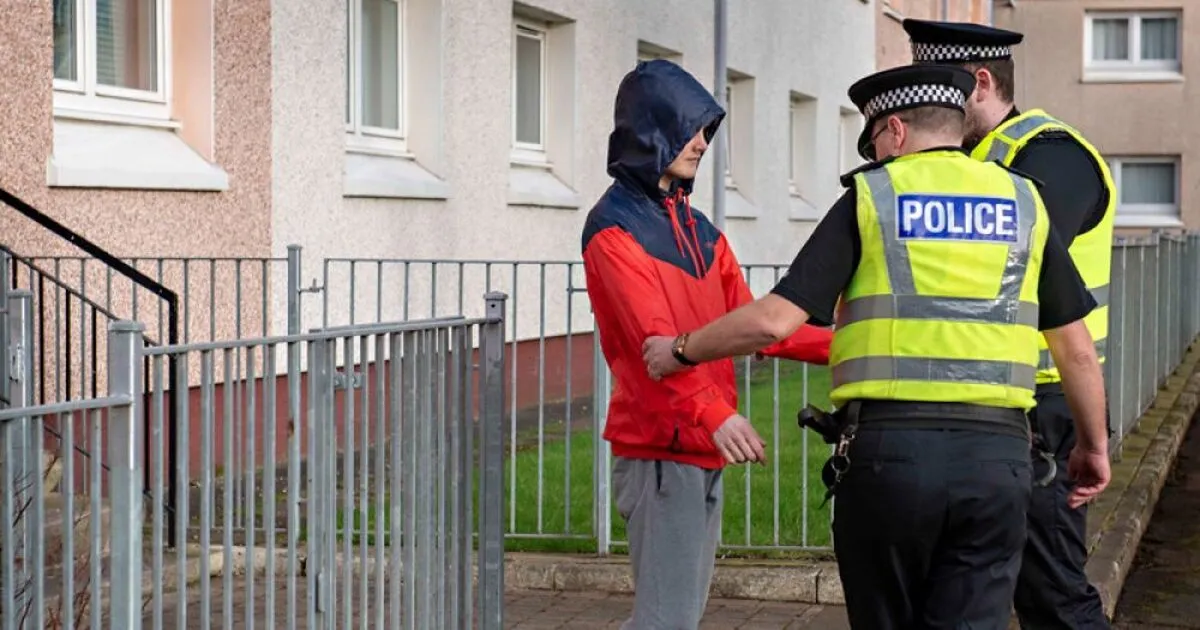
The intensification of school violence, mostly perpetrated by students, has in recent years become a growing problem across the continent.
According to CS Monitor, teachers and parents across Europe, particularly in Western Europe, are facing a wave of violent incidents in schools.
Although mass shootings are rare in Europe, two of the worst school shootings have occurred in Austria and Sweden since 2023. Meanwhile, France and Germany reported waves of deadly stabbings in schools last year.
The European Union, in an effort to protect children and adolescents from harmful or violent online content, has allowed member states to implement national bans on social media for underage users. At the same time, educators report that adolescent mental health is deteriorating, and schools are struggling with limited resources to support students in need.
A study of adolescents in 37 European countries by the European School Survey Project on Alcohol and Other Drugs found that two in five teenagers struggle with their mental health, with boys reporting better mental health than girls. Nevertheless, the majority of attacks in European schools are carried out by male students.
According to the World Health Organization in 2024, “problematic social media use,” defined as addictive use with negative consequences, increased among adolescents from 7% to 11% between 2018 and 2022.
A 2024 survey showed that on average, teenagers spend up to three hours per day on smartphones, and 70% of them report feeling worse after time spent on social media.
Experts say these negative feelings are partly due to the content observed. A study of English adolescents found that 70% had seen real-life violence, such as stabbings and gang attacks, on social media in the past 12 months.
The study also found that one in four adolescents exposed to real violence online received videos automatically through algorithms.
Experts caution that establishing a direct link between social media use and violent behavior is difficult, but studies consistently emphasize that excessive or prolonged social media use increases mental health risks.
European governments are also considering broader social media restrictions for teenagers. Following a June attack, France joined Greece and Spain in calling for an immediate ban on social media use for anyone under 15 across Europe.
The European Commission has supported this move and plans to appoint a panel of experts to study the legal mechanisms for enforcing such a ban across the EU. In the absence of a unified European response, national governments in France, Ireland, Spain, and Greece are working on individual measures.