When impunity becomes policy: UN warns Israel’s torture system is structural
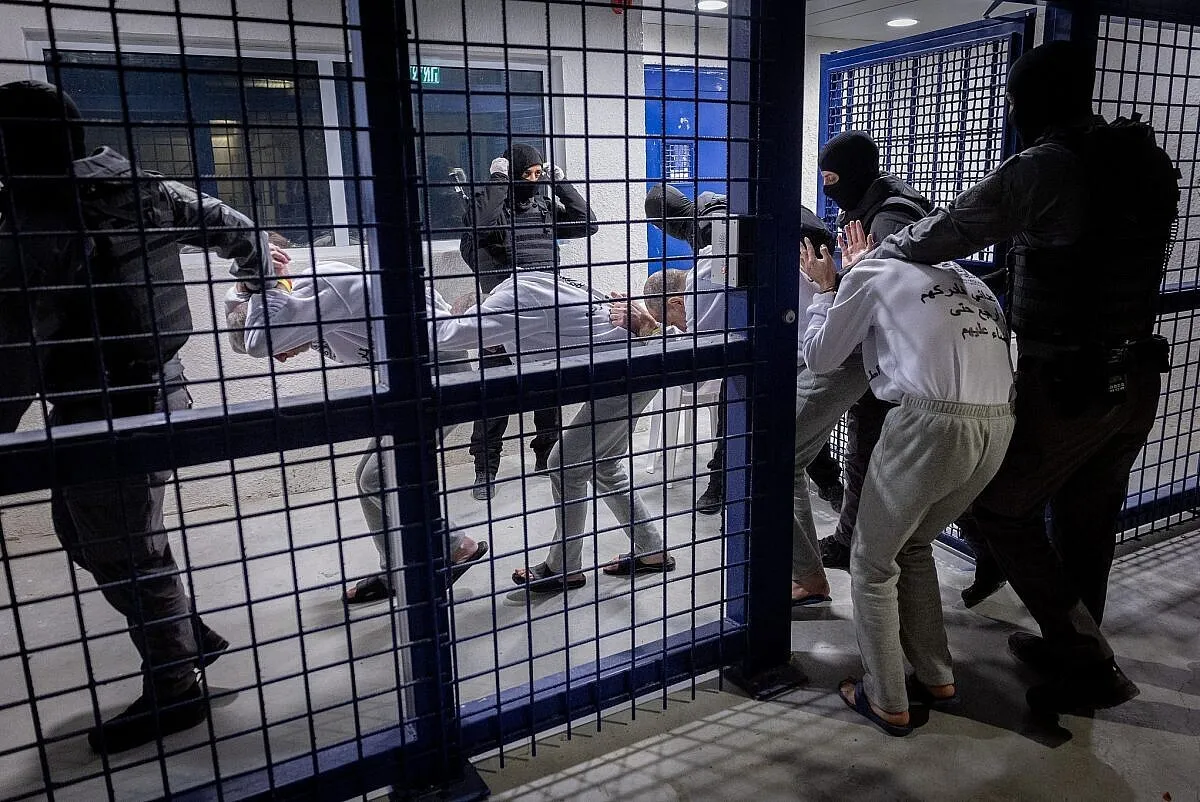
A United Nations report says that Israel effectively maintains a “structural policy” of organized torture. The UN Committee Against Torture, referring to reports of torture in Israeli prisons—including the use of dogs against detainees and sexual violence—has expressed concern that Israel’s war crimes are going unpunished.
According to a UN report covering the past two years, Israel in practice maintains “a structural policy of organized and widespread torture.” The report also raises concerns about the immunity of Israeli security forces from prosecution for war crimes.
The UN Committee Against Torture announced its “deep concern over allegations of repeated severe beatings, dog attacks, electric shocks, simulated drowning, prolonged use of stress positions, and sexual violence.”
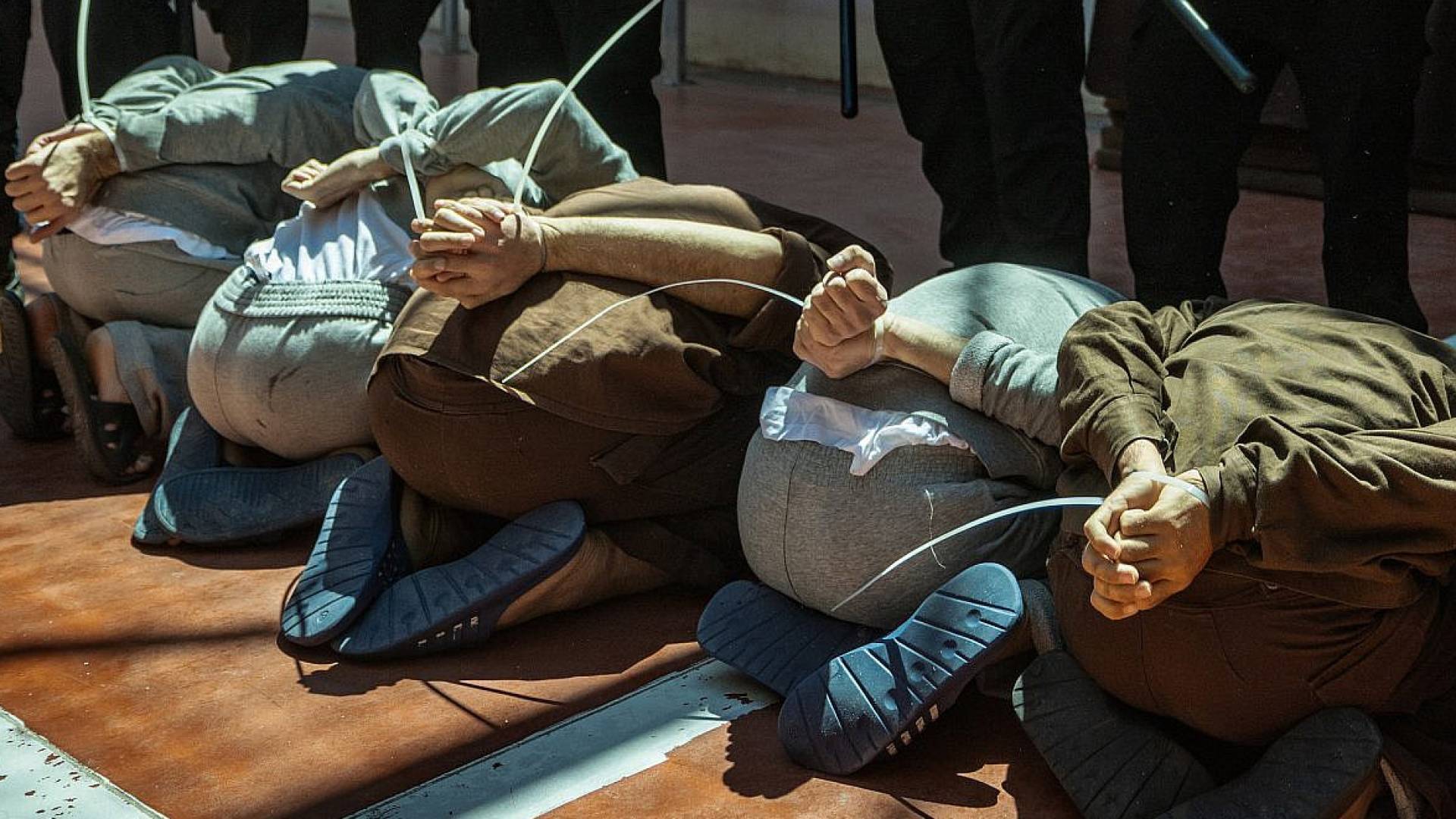
The report, published as part of the committee’s periodic monitoring of countries that are signatories to the UN Convention Against Torture, also stated that Palestinian detainees have been humiliated by being “forced to imitate animals or being urinated on.” They have been systematically denied medical care and subjected to excessive use of restraints (such as handcuffs and chains), which “in some cases has led to amputations.”
The committee, composed of 10 independent UN experts, expressed concern over Israel’s widespread use of the “unlawful combatants” law to justify the prolonged detention without trial of thousands of Palestinian men, women, and children. The latest figures published by the Israeli human rights group B’Tselem show that as of the end of September, the Israeli Prison Service was holding 3,474 Palestinians in “administrative detention,” meaning without trial. Under administrative detention, Israel imprisons individuals without charges or indictments, based solely on suspicion.
This new UN report, which covers the two-year period since the start of the Gaza war in October 2023, draws attention to the “high proportion of children currently detained without charge or on bail,” and notes that the age of criminal responsibility set by Israel is 12, yet children under 12 have also been detained.
The report states that children classified as security detainees are “subject to severe restrictions on family contact, may be held in solitary confinement, and are denied access to education in accordance with international standards.” The report has called on Israel to amend its laws to refrain from placing children in solitary confinement.
The UN Committee Against Torture, which was created to monitor the implementation of the 1984 UN Convention Against Torture, went further and argued that Israel’s daily policies in the occupied Palestinian territories, taken as a whole, “may amount to torture.”
The report said that 75 Palestinians have died in custody during the Gaza war, a period in which the detention conditions of Palestinians have seen a “marked negative transformation.” The report found that the number of deaths is “abnormally high and appears to exclusively affect the Palestinian detainee population.” It noted that “to date, no Israeli official has been held responsible or accountable for these deaths.”
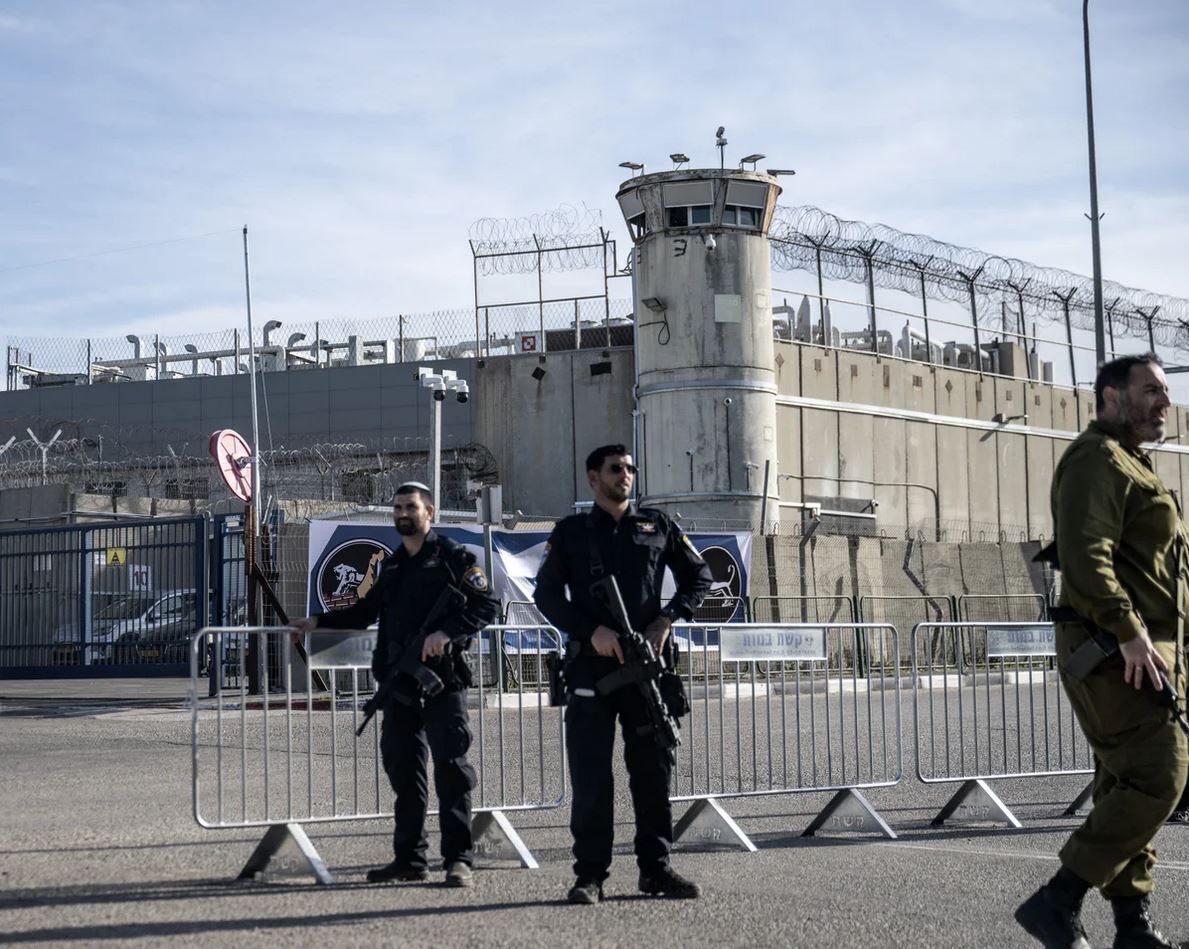
The Israeli cabinet has repeatedly denied the use of torture. The UN committee heard evidence from representatives of Israel’s Ministry of Foreign Affairs, Ministry of Justice, and Prison Service, who argued that prison conditions are adequate and subject to oversight.
However, the committee noted that the inspector responsible for investigating complaints related to interrogations has carried out “no criminal prosecutions for acts of torture or ill-treatment” over the past two years, despite widespread allegations of such practices.
The report stated that during that two-year period Israel cited only one conviction for torture or ill-treatment, apparently referring to an Israeli soldier who was sentenced in February of this year for repeatedly assaulting bound and blindfolded detainees from Gaza with punches, a baton, and the butt of his rifle. The committee found in that case that the seven-month prison sentence “does not appear to reflect the gravity of the crime.”
The report was published on the same day that three Israeli border police officers were released after being questioned over the fatal shooting of two Palestinians who had been detained in Jenin.
Footage of the incident, which took place on Thursday night, shows the two men, Yousef Assasi and Mahmoud Abdullah, exiting a building. They are seen raising their hands and lifting their shirts to show they were unarmed.
The two men, both of whom were claimed by the Palestinian Islamic Jihad movement as fighters in the Al-Quds Brigades, were detained for a few seconds by the border police officers. In the video, an officer who appears to be in charge is seen kicking both detainees and then making a motion that appears to direct them back inside the building. Seconds later, Assasi and Abdullah were shot by the officers from a distance of about two meters.
According to Israeli media, the three border police officers who were questioned on Friday claimed they felt an “immediate and tangible threat” to their lives. According to their account of what happened, the two detainees refused to remove their clothes and “put their hands in their pockets,” after which one of them attempted to “flee back into the building.”
The footage of the scene, whose authenticity has not been denied by Israeli authorities, shows no clear resistance from the two men. Their hands are not in their pockets at all, and it appears that they were reluctantly and under the clear command of the border police officer, not willingly, moving back into the building.
The three border police officers were released after questioning on the condition that they not speak about the case with others.