اطلاعیه شماره ۵۳ قوه قضاییه درباره جنگ تحمیلی سوم
گزارش روشنگرانه ستاد حقوق بشر پیرامون «حق دفاع مشروع ایران در قبال استفاده رژیم صهیونیستی و آمریکا از پایگاه نظامی مستقر در امارات»
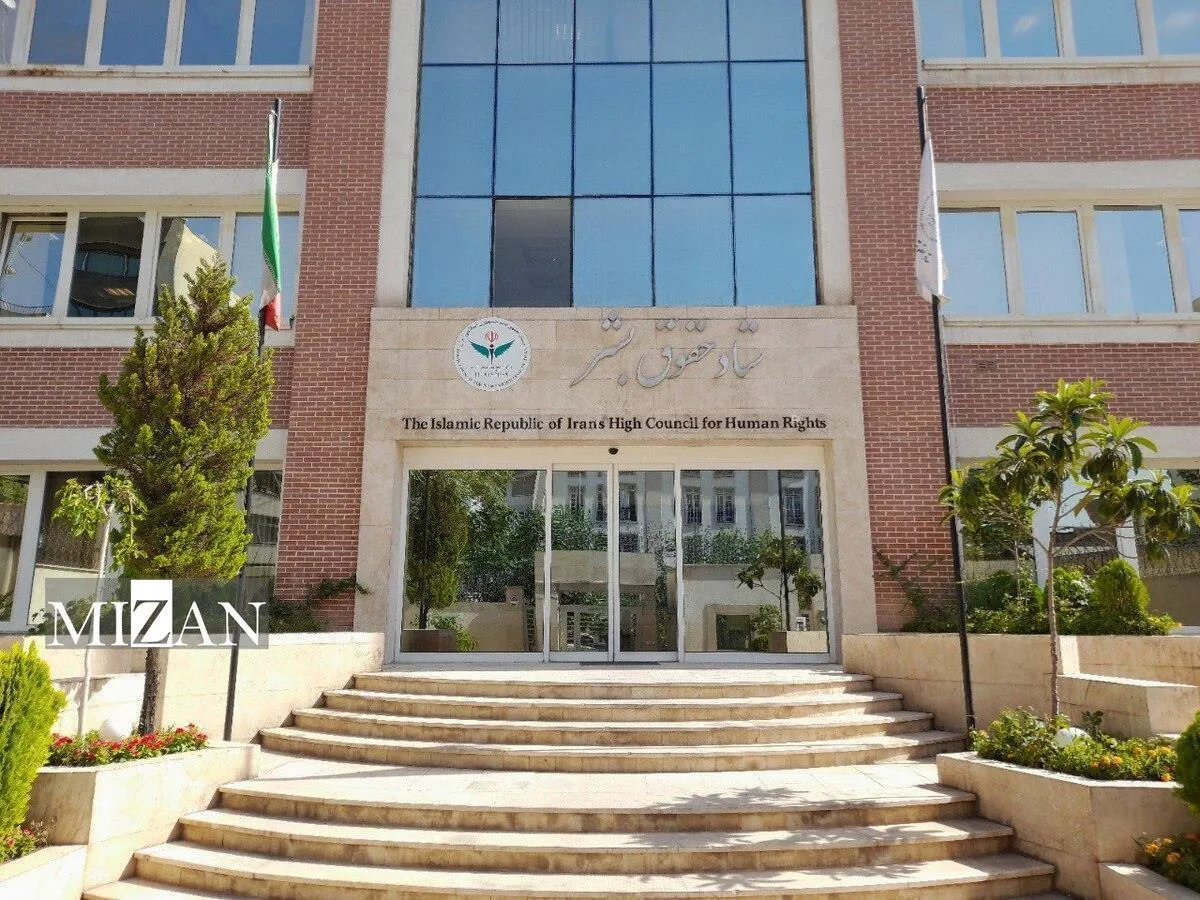
ستاد حقوق بشر جمهوری اسلامی ایران پیرامون حق دفاع مشروع ایران در قبال استفاده رژیم صهیونیستی و آمریکا از پایگاه نظامی مستقر در امارات گزارش روشنگرانهای منتشر کرد.
خبرگزاری میزان -
ستاد حقوق بشر جمهوری اسلامی ایران با انتشار گزارش روشنگرانهای پیرامون «حق دفاع مشروع ایران در قبال استفاده رژیم صهیونیستی و آمریکا از پایگاه نظامی مستقر در امارات متحده عربی» اعلام کرد: مصونیت قلمرو دولت بیطرف، مشروط به رعایت دقیق تعهدات بینالمللی است و در صورت احراز ناتوانی یا امتناع دولت میزبان از کنترل فعالیتهای نظامی دشمنان، این پایگاه به اهداف نظامی مشروع تبدیل شده و دولت مورد تعرض، از حق ذاتی دفاع مشروع براساس ماده ۵۱ منشور ملل متحد برخوردار میشود.
متن کامل این گزارش به شرح زیر است:
اصل بیطرفی یکی از نهادهای بنیادین در نظام حقوق بینالملل عمومی و حقوق مخاصمات مسلحانه است که غایت اساسی آن، محدود ساختن گستره جغرافیایی درگیریهای مسلحانه و حفظ ثبات در قلمرو کشورهای خارج از عرصه نبرد میباشد؛ شالوده حقوقی این اصل، عمدتا در کنوانسیونهای پنجم و سیزدهم لاهه مصوب سال ۱۹۰۷ تدوین یافته است؛ اسنادی که امروزه ارزش قواعد حقوق بینالملل عرفی را دارا بوده و برای تمامی تابعان حقوق بینالملل، الزامآور و عامالشمول محسوب میشوند؛ از دیرباز، دکترین حقوقی بر این واقعیت تاکید داشته است که برخورداری از مصونیت سرزمینی ذیل عنوان بیطرفی، حقی مطلق و خودکار نیست، بلکه مشروط به انجام تکالیف ایجابی از سوی دولت بیطرف، بهویژه تکلیف به «ممانعت» از استفاده دشمنان از قلمرو سرزمینی آن دولت میباشد؛ در این میان، وضعیت امارات متحده عربی بهواسطه میزبانی از تاسیسات نظامی ایالاتمتحده آمریکا و نقشی که این پایگاه در مخاصمات مسلحانه علیه جمهوری اسلامی ایران ایفا نمودهاند، از حیث حقوقی واجد اهمیت تحلیلی ویژهای است.
با این حال این سوال مطرح است که آیا انجام عملیات نظامی از پایگاه مستقر در امارات متحده عربی، وضعیت بیطرفی این کشور را مخدوش ساخته و متعاقبا، حق دفاع مشروع جمهوری اسلامی ایران در برابر این پایگاه را در چارچوب حقوق بینالملل محقق میگرداند یا خیر؟
بررسیهای حقوقی انجامشده موید آن است که مصونیت قلمرو دولت بیطرف، مشروط به رعایت دقیق تعهدات بینالمللی است و در صورت احراز ناتوانی یا امتناع دولت میزبان از کنترل فعالیتهای نظامی دشمنان، این پایگاه به اهداف نظامی مشروع تبدیل شده و دولت مورد تعرض، از حق ذاتی دفاع مشروع براساس ماده ۵۱ منشور ملل متحد برخوردار میگردد.
۱. مبانی حقوقی بیطرفی و جایگاه امارات متحده عربی
بیطرفی در حقوق بینالملل، وضعیتی حقوقی و ارادی است که به موجب آن، یک دولت مستقل تصمیم میگیرد در مخاصمه مسلحانه میان دولتهای متخاصم، مشارکتی نداشته باشد؛ این وضعیت، شبکهای از حقوق و تکالیف متقابل را میان دولت بیطرف و اطراف مخاصمه ایجاد میکند که همگی ریشه در حقوق بینالملل عرفی و قراردادی دارند.
کنوانسیون پنجم لاهه مورخ ۱۹۰۷ در ماده ۱ تصریح میدارد: «قلمرو دولتهای بیطرف، غیرقابل تعرض است»؛ این قاعده بنیادین، ستون فقرات حقوق بیطرفی را تشکیل میدهد، لیکن بههیچوجه حقی مطلق نیست، بلکه کاملا به انجام تعهدات از سوی دولت بیطرف مشروط و مقید است؛ ماده ۲ کنوانسیون مزبور، حرکت نیروها یا انتقال کاروانهای حامل مهمات و تدارکات نظامی متخاصمین از قلمرو دولت بیطرف را ممنوع میسازد؛ ماده ۵ نیز تکلیفی ایجابی و فعال را بر عهده دولت بیطرف نهاده و مقرر میدارد که این دولت نباید اجازه وقوع هیچیک از اعمال ممنوعه مذکور در مواد ۲ تا ۴ را در قلمرو خود بدهد.
این تکلیف به «ممانعت» (Prevention)، بیانگر آن است که بیطرفی، صرفا یک انفعّال سیاسی یا اعلامیه دیپلماتیک نیست، بلکه مستلزم اقدامات اجرایی و کنترلی موثر از سوی دولت میزبان است؛ حقوق بینالملل عرفی معاصر، تکالیف دولت بیطرف را ذیل ۳ اصل بنیادین «عدم جانبداری» (Impartiality)، «خودداری» (Abstention) و «ممانعت» (Prevention) صورتبندی کرده است.
امارات متحده عربی در جریان مخاصمات مسلحانه اسفند ۱۴۰۴، مواضعی دال بر عدم مشارکت در درگیریها اتخاذ نمود و بهگونهای تلویحی، وضعیت بیطرفی را برای خویش مفروض داشت؛ با این حال، میزبانی این کشور از پایگاه هوایی الظفره (Al Dhafra Air Base) که میزبان جناح اعزامی ۳۸۰ ام نیروی هوایی ایالاتمتحده (380th Air Expeditionary Wing) با حدود ۲ هزار نیروی نظامی، شامل جنگندههای رادارگریز F-35، هواپیماهای شناسایی، پهپادهای رزمی و هواپیماهای سوخترسان هوایی است، پرسشهای حقوقی عمیقی را در باب انطباق این وضعیت با الزامات بیطرفی مطرح میسازد.
۲. تعهدات ایجابی دولت بیطرف و نقض آن توسط امارات متحده عربی
از میان اصول سهگانه بیطرفی، اصل «ممانعت» حساسترین و سرنوشتسازترین رکن در تحلیل وضعیت پایگاههای نظامی خارجی در قلمرو دولت میزبان است؛ این اصل ایجاب میکند که دولت بیطرف با بهرهگیری از تمامی ظرفیتهای حاکمیتی خود، از هرگونه نقض بیطرفی قلمرو خویش توسط متخاصمین جلوگیری به عمل آورد؛ حضور پایگاهی نظامی و کاملا عملیاتی که بهطور مستمر در عملیاتهای تهاجمی علیه یکی از اطراف مخاصمه مورد استفاده قرار میگیرد، از مصادیق بارز نقض این تکلیف ایجابی است؛ کنوانسیون پنجم لاهه در ماده ۳، استفاده از تاسیسات مستقر در قلمرو دولت بیطرف برای مقاصد صرفا نظامی و مخابره با نیروهای متخاصم را ممنوع ساخته است.
همچنین، براساس پروتکل الحاقی اول به کنوانسیونهای ژنو مصوب ۱۹۷۷، تاسیساتی که «کمک موثری به اقدام نظامی» کنند، به «هدف نظامی مشروع» تبدیل میشوند.
مستندات میدانی حاکی از آن است که پایگاه الظفره در امارات، نقشی محوری در عملیاتهای نظامی علیه جمهوری اسلامی ایران ایفا نموده است؛ این پایگاه بهعنوان مرکز فرماندهی و کنترل عملیات هوایی، انجام پروازهای رزمی و شناسایی، سوخترسانی هوایی به هواپیماهای مهاجم، عملیاتهای اطلاعاتی و پشتیبانی لجستیکی و ارتباطات ماهوارهای در مخاصمات اخیر مورد استفاده مستقیم و غیرمستقیم نیروهای آمریکایی و متحدین آنها قرار گرفته است؛ قابل توجه است که سپاه پاسداران انقلاب اسلامی طی بیانیههای رسمی اعلام داشت که حملات به این پایگاه، اهداف مشخصی نظیر «مرکز ارتباطات ماهوارهای آمریکا، رادارهای هشدار زودهنگام و رادارهای کنترل آتش» را هدف قرار داده است.
در چنین شرایطی، این پرسش مطرح میشود که آیا امارات متحده عربی اراده یا توانایی لازم برای اعمال «قرنطینه نظامی» بر پایگاههای مستقر در قلمرو خود و ممانعت از استفاده عملیاتی از آنها علیه همسایه شمالی خود را داشته است؟ پاسخ به این پرسش، مستلزم توجه به ۲ سناریوی حقوقی متمایز است؛ سناریوی نخست آن که دولت امارات بهعنوان میزبان، خود خواستار و راضی به این استفاده نظامی بوده است که در این صورت، وضعیت بیطرفی کاملا منتفی شده و امارات بهعنوان شریک در مخاصمه، خود به هدفی مشروع برای دفاع مشروع ایران تبدیل میشود.
اسناد فاششدهای که به «ساختار امنیتی منطقهای» (Regional Security Construct) اشاره دارند، موید آن است که امارات متحده عربی بهعنوان یکی از شش کشور عربی مشارکتکننده، از سال ۲۰۲۲ در شبکهای از همکاریهای نظامی با ایالاتمتحده و رژیم صهیونیستی عضویت داشته که مرکزیت آن، طرح «پدافند هوایی برای مقابله با موشکها و پهپادهای ایران» بوده است.
سناریوی دوم آن است که امارات اساسا قادر به کنترل فعالیتهای نظامی نیروهای آمریکایی مستقر در پایگاه الظفره نبوده است؛ در این صورت، دکترین حقوقی «ناتوان یا بیمیل» (Unable or Unwilling) که بهعنوان بخشی از حقوق بینالملل عرفی در زمینه دفاع مشروع شناخته میشود، به دولت آسیبدیده (ایران) این حق را میدهد که خود رأسا برای دفع تهدید و تامین امنیت خویش اقدام نماید؛ براساس این دکترین، چنانچه دولت میزبان (امارات) توانایی یا اراده لازم برای توقف فعالیتهای متخاصمانه از قلمرو خود را نداشته باشد یا عمدا از این امر امتناع ورزد، دولت قربانی تجاوز میتواند با استناد به حق ذاتی دفاع مشروع، منبع تهدید را در همان قلمرو هدف قرار دهد.
۳. دفاع مشروع ایران در چارچوب ماده ۵۱ منشور ملل متحد
ماده ۵۱ منشور ملل متحد، حق ذاتی و بنیادین دفاع مشروع را برای دولتهای عضو به رسمیت شناخته و مقرر میدارد: «در صورت وقوع حمله مسلحانه علیه یک عضو ملل متحد، هیچیک از مقررات این منشور به حق ذاتی دفاع از خود، خواه فردی یا جمعی، لطمهای وارد نخواهد ساخت»؛ براساس ماده ۵۱، اعمال این حق منوط به وقوع «حمله مسلحانه» است؛ در بستر مخاصمات اخیر، حملات نظامی گسترده آمریکا و رژیم صهیونیستی که از پایگاههای منطقهای ازجمله پایگاه الظفره در امارات متحده عربی طراحی، هدایت و اجرا گردید، بدون تردید مصداق بارز «حمله مسلحانه» محسوب میشود.
وزارت امور خارجه جمهوری اسلامی ایران در موضعگیری رسمی خود تصریح نموده است: «اقدام جمهوری اسلامی ایران در هدفگیری پایگاههای نظامی، مطابق با ماده ۵۱ منشور ملل متحد بهعنوان اعمال حق ذاتی دفاع مشروع و در پاسخ مستقیم به اقدام تجاوزکارانه صورت گرفته است»؛ این استدلال حقوقی، منطبق بر رویه قضایی بینالمللی است؛ دیوان بینالمللی دادگستری در رأی مشهور خود در قضیه نیکاراگوئه علیه ایالاتمتحده آمریکا (۱۹۸۶) تصریح نمود که «ارسال گروههای مسلح به داخل قلمرو دولت دیگر» و «تدارک لجستیک و تسلیحاتی» به نفع اطراف مخاصمه، مصداق حمله مسلحانه و تجاوز است که حق دفاع مشروع را برای دولت قربانی ایجاد میکند.
جمهوری اسلامی ایران نیز در نامه رسمی نمایندگی دائم خود نزد سازمان ملل متحد، خطاب به دبیرکل و رئیس شورای امنیت، این موضع حقوقی را با قاطعیت تبیین نموده و تاکید کرده است که عملیات نظامی ایران، پاسخی ضروری و متناسب به تجاوز مسلحانهای بوده که از قلمرو دولتهای ثالث طراحی و اجرا شده است.
۴. اصل تناسب و ضرورت در عملیات دفاعی ایران
حقوق بینالملل بشردوستانه که بر تمامی عملیاتهای نظامی حاکم است، اعمال حق دفاع مشروع را مشروط به رعایت دقیق ۲ اصل بنیادین «ضرورت» و «تناسب» میسازد؛ اصل ضرورت ایجاب میکند که اقدام نظامی، صرفا زمانی و تا اندازهای مجاز باشد که برای دفع حمله مسلحانه، ضرورت قطعی وجود داشته باشد؛ اصل تناسب نیز مقرر میدارد که مقیاس و دامنه اقدام دفاعی باید با ماهیت و گستره حمله اولیه متناسب بوده و از حدود متعارف تجاوز ننماید.
رویکرد جمهوری اسلامی ایران در حملات به تاسیسات نظامی مستقر در امارات، کاملا با این اصول انطباق دارد؛ نخست آن که، هدفگیری به پایگاههای نظامی مشخص (الظفره) محدود بوده و به تمامیت سرزمینی امارات متحده عربی تعمیم نیافته است؛ دوم آنکه، اهداف منتخب، منحصرا تاسیسات و تجهیزاتی بودهاند که مستقیما در عملیاتهای خصمانه علیه ایران به کار گرفته میشدند؛ این رویکرد گزینشی و هدفمند، نشاندهنده تمایزگذاری دقیق میان اهداف نظامی مشروع و اهداف غیرنظامی یا غیرمرتبط است.
این در حالی است که گزارشهای بینالمللی حاکی از آن است که پایگاه الظفره، مرکز عملیاتی اصلی برای هواپیماهای F-35، پهپادهای رزمی، سامانههای شناسایی و تاسیسات ارتباطات نظامی بوده و انهدام این تاسیسات، اقدامی ضروری و اجتنابناپذیر برای مختل ساختن توان تهاجمی دشمن علیه ایران تلقی میشود، همچنین، ایران بارها تصریح نموده است که به حاکمیت و تمامیت سرزمینی همسایگان خود احترام گذاشته و عملیاتهای تلافیجویانه آن «صرفا داراییها و پایگاههای آمریکا در خاک آنها را هدف قرار میدهد»، نه ساختارهای ملی و مردمی کشور میزبان.
۵. بررسی تطبیقی استدلالهای حقوقی طرف مقابل
طبیعی است که دولتهای هدفگیریشده و حامیان آنها، اقدامات دفاعی ایران را بهعنوان «نقض حاکمیت» و «تجاوز آشکار» محکوم کنند، اما این استدلالها زمانی اعتبار حقوقی مییابند که دولتهای مذکور بتوانند اثبات کنند که تعهدات خود ذیل حقوق بیطرفی را بهطور کامل اجرا نموده و از استفاده نظامی متخاصمین از قلمرو خود ممانعت به عمل آوردهاند؛ شواهد میدانی و گزارشهای تاییدشده بینالمللی، قویا نشان میدهد که امارات متحده عربی، حداقل در بازه زمانی مخاصمات، نهتنها موفق به اعمال این ممانعت نشده، بلکه از طریق عضویت در سازوکارهای امنیتی منطقهای با محوریت مقابله با ایران، عملا در کنار دشمنان قرار گرفته است؛ براساس اصول بنیادین حقوق بینالملل، هیچ دولتی نمیتواند از حق حاکمیت و مصونیت سرزمینی خود بهعنوان پوششی برای پناه دادن به ماشین جنگی متخاصمین و تسهیل تجاوز علیه همسایگان خویش بهرهبرداری کند؛ رأی دیوان بینالمللی دادگستری در قضیه کانال کورفو نیز بر این اصل تاکید دارد که هر دولتی موظف است «اجازه ندهد از قلمرو آن برای اعمال مغایر با حقوق سایر دولتها استفاده شود».
نتیجهگیری
تحلیل حقوقی وضعیت امارات متحده عربی و پایگاه هوایی الظفره نشان میدهد که وضعیت بیطرفی، صرفا با صدور بیانیههای سیاسی یا ادعاهای دیپلماتیک محقق نمیگردد، بلکه نهادی حقوقی است که اجرای کامل و موثر تعهدات سهگانه «عدم جانبداری»، «خودداری» و «ممانعت» را طلب میکند؛ امارات متحده عربی با میزبانی از پایگاه عظیم هوایی الظفره که بهطور مستمر و سیستماتیک در عملیاتهای تهاجمی علیه جمهوری اسلامی ایران مورد استفاده قرار گرفته، در اجرای تکلیف ایجابی به ممانعت، قصور یا تقصیر داشته است.
این پایگاه با انجام پروازهای رزمی، شناسایی، سوخترسانی هوایی و پشتیبانی اطلاعاتی علیه ایران، به «هدف نظامی مشروع» تبدیل شده و مصونیت خود را ذیل حقوق بیطرفی از دست داده است؛ جمهوری اسلامی ایران در چارچوب ماده ۵۱ منشور ملل متحد، از حق ذاتی و مسلم دفاع مشروع برخوردار بوده و اقدام نظامی آن علیه این پایگاه، با رعایت اصول ضرورت و تناسب، کاملا منطبق بر موازین حقوق بینالملل بوده است.
نظام حقوق بینالملل، تضمینی بنیادین را در خود مستتر دارد: حاکمیت و مصونیت سرزمینی، نمیتواند به سپری برای پناه دادن به متجاوز و توجیهی برای نقض امنیت سایر ملل تبدیل شود؛ اگر قرار باشد ادعای بیطرفی، ابزاری برای مصونسازی پایگاههای متخاصم و تداوم تجاوز از قلمرو یک کشور علیه همسایه آن باشد، این امر به معنای فروپاشی کامل نظام امنیت دستهجمعی و تضعیف مهلک حقوق بینالملل خواهد بود؛ بر این اساس، اقدام دفاعی ایران نهتنها تجاوز به حاکمیت امارات متحده عربی تلقی نمیگردد، بلکه اقدامی ضروری، متناسب و مبتنی بر حق ذاتی دفاع مشروع در برابر تجاوزی بوده که عملا قلمرو امارات را به سکوی پرتاب حملات علیه ایران تبدیل نموده است.
متن انگلیسی این بیانیه به شرح زیر است:
HCHR Explanatory report on "Iran's right to legitimate self-defense" regarding US military bases stationed in UAE
The High Council for Human Rights of the Islamic Republic of Iran has published an explanatory report on "Iran's right to legitimate self-defense regarding the use of military bases stationed in the United Arab Emirates by the Zionist regime and the United States."
The principle of neutrality is one of the fundamental bases in the system of public international law and the law of armed conflict, the main purpose of which is to limit the geographical scope of armed conflicts and maintain stability in the territory of countries outside the battlefield. The legal basis of this principle is mainly formulated in the Hague Conventions (V) and (XIII) adopted in 1907; documents that today have the value of rules of customary international law and are considered binding and universal for all subjects of international law. Legal doctrine has long emphasized the fact that territorial immunity under the guise of neutrality is not an absolute and automatic right, but rather is conditional on the performance of positive duties by the neutral state, in particular the duty to “prevent” the use of its territory by the enemies. In this regard, the situation of the United Arab Emirates is of particular analytical importance from a legal perspective due to its hosting of US military installations and the role that these bases have played in the armed conflicts against the Islamic Republic of Iran. However, the question arises as to whether conducting military operations from a base in the United Arab Emirates undermines the neutrality of this country and consequently, the right of the Islamic Republic of Iran to legitimate defense against these bases is realized within the framework of international law. Legal studies confirm that the territorial immunity of a neutral state is conditional on strict compliance with international obligations, and if the host state is unable or refuses to control the military activities of the enemies, this base becomes a legitimate military target and the attacked state enjoys the inherent right of self-defense under Article 51 of the United Nations Charter.
1. Legal basis of neutrality and the position of the United Arab Emirates
Neutrality in international law is a legal and voluntary position whereby an independent state decides not to participate in an armed conflict between warring states. This position creates a network of reciprocal rights and obligations between the neutral state and the parties to the conflict, all of which are rooted in customary and contractual international law. The Hague Convention (V) of 1907 states in Article 1: “The territory of neutral states shall be inviolable.” This fundamental rule forms the backbone of the law of neutrality, however, it is by no means an absolute right, but is entirely conditional and bound by the fulfillment of obligations by the neutral state. Article 2 of the said convention prohibits the movement of troops or the transfer of convoys carrying ammunition and military supplies of belligerents through the territory of a neutral state. Article 5 also imposes a positive and active duty on the neutral state, stipulating that it must not allow any of the prohibited acts mentioned in Articles 2 to 4 to occur within its territory. This duty of “prevention” indicates that neutrality is not merely a political act or diplomatic declaration, but requires effective executive and control measures by the host state. Contemporary customary international law has formulated the duties of a neutral state under the three fundamental principles of “impartiality”, “abstention” and “prevention”.
During the armed conflicts of March 2026, the United Arab Emirates adopted positions indicating non-participation in the conflicts and implicitly assumed a status of neutrality. However, the country's hosting of Al Dhafra Air Base, which hosts the 380th Air Expeditionary Wing of the United States Air Force with approximately 2,000 military personnel, including F-35 stealth fighters, reconnaissance aircraft, combat drones, and aerial refueling aircraft, raises profound legal questions about its compliance with the requirements of neutrality.
2. Positive obligations of a neutral state and its violation by the United Arab Emirates
Among the three principles of neutrality, the principle of “prevention” is the most sensitive and decisive element in analyzing the situation of foreign military bases in the territory of the host state. This principle requires that a neutral state, by utilizing all its sovereign capacities, prevent any violation of the neutrality of its territory by belligerents. The presence of a fully operational military base that is continuously used in offensive operations against one of the parties to the conflict is a clear example of a violation of this positive obligation. The Hague Convention (V), in Article 3, prohibits the use of facilities located in the territory of a neutral state for purely military purposes and for communication with hostile forces. Also, according to the First Additional Protocol to the Geneva Conventions adopted in 1977, facilities that “effectively contribute to military action” become “legitimate military objectives.”
Field documents indicate that the Al Dhafra Base in the UAE has played a pivotal role in military operations against the Islamic Republic of Iran. This base, as a center for command and control of air operations, conducting combat and reconnaissance flights, aerial refueling of attack aircraft, intelligence operations and logistical support, and satellite communications, has been used directly and indirectly by American forces and their allies in recent conflicts. It is noteworthy that the Islamic Revolutionary Guard Corps announced in official statements that the attacks on this base targeted specific objectives such as “the American satellite communications center, early warning radars, and fire control radars.”
In such circumstances, the question arises as to whether the UAE had the will or the ability to impose a “military quarantine” on the bases located on its territory and prevent their operational use against its northern neighbor? The answer to this question requires consideration of two distinct legal scenarios. The first scenario is that the UAE government, as the host, has itself requested and consented to this military use, in which case the status of neutrality is completely ruled out and the UAE, as a partner in the conflict, becomes a legitimate target for Iran’s legitimate defense. The leaked documents referring to the “Regional Security Construct” confirm that the UAE, as one of the six participating Arab countries, has been a member of a network of military cooperation with the United States and the Zionist regime since 2022, the centerpiece of which has been the “Air Defense to Counter Iranian Missiles and Drones” project.
The second scenario is that the UAE was fundamentally unable to control the military activities of the US forces stationed at Al-Dhafra. In this case, the legal doctrine of “Unable or Unwilling,” which is recognized as part of customary international law in the field of self-defense, gives the injured state (Iran) the right to take direct action to repel the threat and ensure its own security. According to this doctrine, if the host state (the UAE) does not have the ability or will to stop hostile activities from its territory or deliberately refuses to do so, the victim state can invoke the inherent right of self-defense to target the source of the threat in the same territory.
3. Iran’s self-defense within the framework of Article 51 of the UN Charter
Article 51 of the UN Charter recognizes and stipulates the inherent and fundamental right of self-defense for member states: “In the event of an armed attack against a Member of the United Nations, none of the regulations in the Charter shall impair the inherent right of individual or collective self-defense.” According to Article 51, the exercise of this right is subject to the occurrence of an “armed attack.” In the context of recent conflicts, the widespread military attacks by the United States and the Zionist Regime, which were planned, directed, and executed from regional bases, including the Al-Dhafra base in the United Arab Emirates, are undoubtedly a clear example of an “armed attack.”
The Ministry of Foreign Affairs of the Islamic Republic of Iran has stated in its official position: “The action of the Islamic Republic of Iran in targeting military bases was taken in accordance with Article 51 of the UN Charter as an exercise of the inherent right of self-defense and in direct response to an act of aggression.” This legal argument is consistent with international jurisprudence. The International Court of Justice, in its famous judgment in Nicaragua v. United States (1986), stated that “sending armed groups into the territory of another state” and “providing logistics and weapons” for the benefit of the parties to the conflict constitute armed attack and aggression, which creates the right of self-defense for the victim state. The Islamic Republic of Iran has also firmly explained this legal position in an official letter from its Permanent Mission to the United Nations, addressed to the Secretary-General and the Head of the Security Council, and has emphasized that Iran’s military operations were a necessary and proportionate response to armed aggression that was planned and carried out from the territory of third states.
4. The principle of Proportionality and Necessity in Iran’s defensive operations
International humanitarian law, which governs all military operations, makes the exercise of the right to self-defense conditional on strict observance of the two fundamental principles of “necessity” and “proportionality.” The principle of necessity requires that military action is permissible only when and to the extent that it is absolutely necessary to repel an armed attack. The principle of proportionality also stipulates that the scale and scope of the defensive action must be proportionate to the nature and scope of the initial attack and must not exceed reasonable limits.
The Islamic Republic of Iran’s approach to attacks on military installations located in the UAE is fully consistent with these principles. First, targeting was limited to specific military bases (Al-Dhafra) and did not extend to the entire territory of the United Arab Emirates. Second, the selected targets were exclusively installations and equipment that were directly used in hostile operations against Iran. This selective and targeted approach demonstrates a clear distinction between legitimate military targets and civilian or unrelated targets. Furthermore, international reports indicate that Al-Dhafra base is the main operational center for F-35 aircraft, combat drones, reconnaissance systems, and military communications facilities, and the destruction of these facilities is considered a necessary and inevitable measure to disrupt the enemy’s offensive capabilities against Iran. Iran has also repeatedly stated that it respects the sovereignty and territorial integrity of its neighbors and that its retaliatory operations “only target US assets and bases on their soil,” not the national structures and people of the host country.
5. Comparative review of the opposing party’s legal arguments
It is natural for the targeted states and their supporters to condemn Iran’s defensive actions as “violations of sovereignty” and “blatant aggression.” However, these arguments gain legal validity only when the said states can prove that they have fully implemented their obligations under the law of neutrality and have prevented the military use of their territory by the adversaries. Field evidence and internationally verified reports strongly indicate that the UAE, at least during the period of hostilities, has not only failed to implement this prevention, but has also effectively sided with the adversaries through its membership in regional security mechanisms focused on confronting Iran. According to the fundamental principles of international law, no state may exploit its sovereignty and territorial immunity as a cover to harbor the war machine of its adversaries and facilitate aggression against its neighbors. The judgment of the International Court of Justice in the Corfu Channel case also emphasizes this principle that every state has the duty “not to allow its territory to be used for acts contrary to the rights of other states.”
Conclusion
The legal analysis of the situation of the United Arab Emirates and the Al Dhafra Air Base shows that the status of neutrality is not achieved simply by issuing political statements or diplomatic claims, but is a legal body that requires the full and effective implementation of the three obligations of “impartiality”, “abstinence” and “prevention”. By hosting the huge Al Dhafra Air Base, which has been continuously and systematically used in offensive operations against the Islamic Republic of Iran, the United Arab Emirates has failed to fulfill its positive duty to prevent. By conducting combat flights, reconnaissance, aerial refueling and intelligence support against Iran, the Base has become a “legitimate military target” and has lost its immunity under the law of neutrality. The Islamic Republic of Iran, within the framework of Article 51 of the United Nations Charter, has the inherent and inalienable right to self-defense, and its military action against this Base, while observing the principles of necessity and proportionality, was fully in line with the standards of international law.
The international legal system contains a fundamental guarantee: territorial sovereignty and immunity cannot become a shield to shelter an aggressor and a justification for violating the security of other nations. If the claim of neutrality were to become a means to protect hostile bases and continue the aggression of one country against its neighbor, this would mean the complete collapse of the collective security system and a fatal weakening of international law. Accordingly, Iran’s defensive action is not only not considered an aggression against the sovereignty of the United Arab Emirates, but also a necessary, proportionate and inherent right to self-defense against an aggression that has effectively turned the territory of the Emirates into a launching pad for attacks against Iran.
انتهای پیام/


ارسال دیدگاه
دیدگاهتان را بنویسید
نشانی ایمیل شما منتشر نخواهد شد. بخشهای موردنیاز علامتگذاری شدهاند *