The silent war against women in the Netherlands
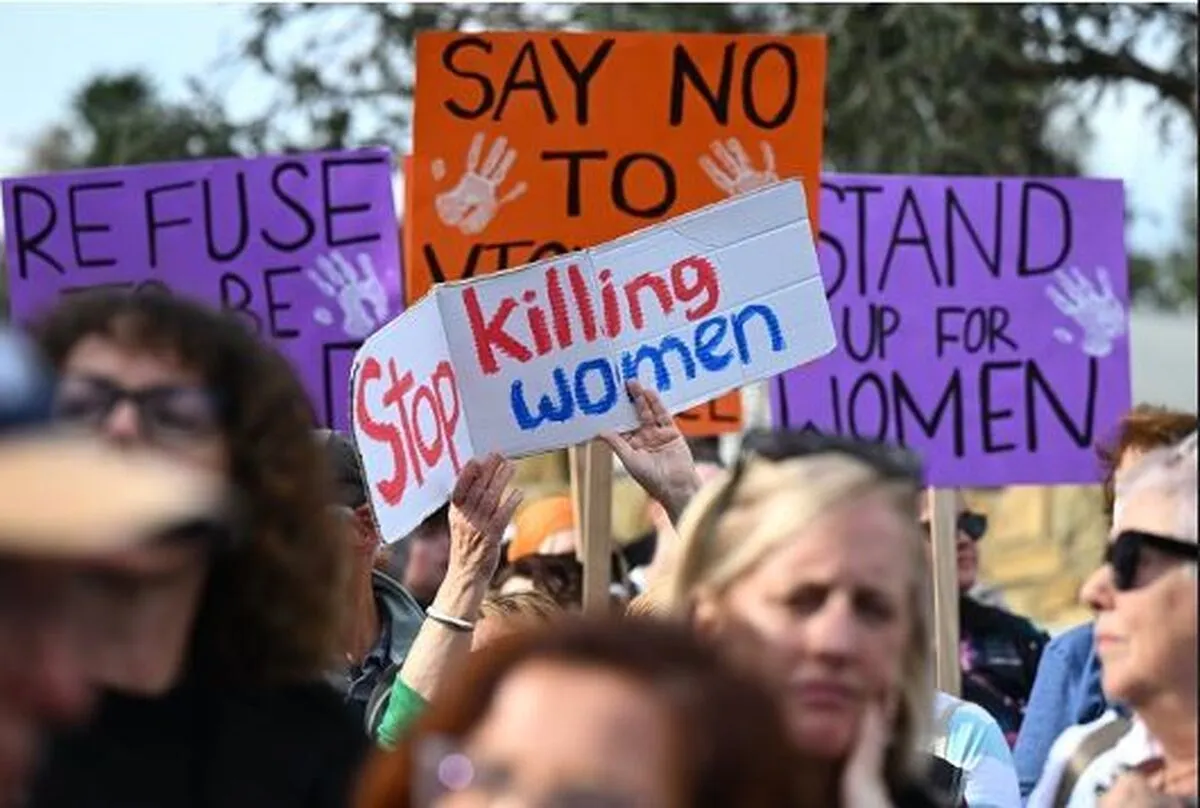
Violence against women, in various forms and on a large scale, is ongoing across Europe and is intensifying at an alarming pace. Some refer to this growing trend of violence against women as an “invisible war” against women.
Sexual harassment, rape, physical and online assaults, murder, and domestic violence are among the most prevalent and widespread forms of violence against women in Europe. These intertwined crises, due to the fatalities and collateral damage they cause, have triggered serious warnings.
What has set off alarm bells in Europe regarding violence against women is the growing crisis of femicide, which also claims the lives of children.
At the same time, the criminalization of violence against women in Europe—despite the continent’s claims of safeguarding women’s and girls’ rights—continues to face major challenges, the most significant being the inability to reach consensus on the definition of different forms of violence.
Every year, at least 40 women are killed in the Netherlands. These women are victims of a phenomenon that, across Europe, is referred to as the “silent” or “invisible” war against women.
According to Dutch media, every eight days a woman falls victim to femicide in the Netherlands. The number of femicides in the country has not declined over the past decade.
Femicide in the Netherlands is a preventable issue, but the neglect of Dutch authorities has allowed this trend to persist.
A researcher noted that, on average, by the time a woman reports domestic violence to the police, she has already experienced 33 incidents of abuse.
According to the researcher, downplaying domestic violence is one of the reasons why femicides continue to occur.
Experts emphasize that the absence of deterrent laws also plays a role in worsening the crisis of domestic violence and femicide.
Meanwhile, the children of women who are victims of domestic violence and femicide are themselves the collateral victims of this intertwined crisis.