Policing the watchdogs: How UK police spied on their own critics
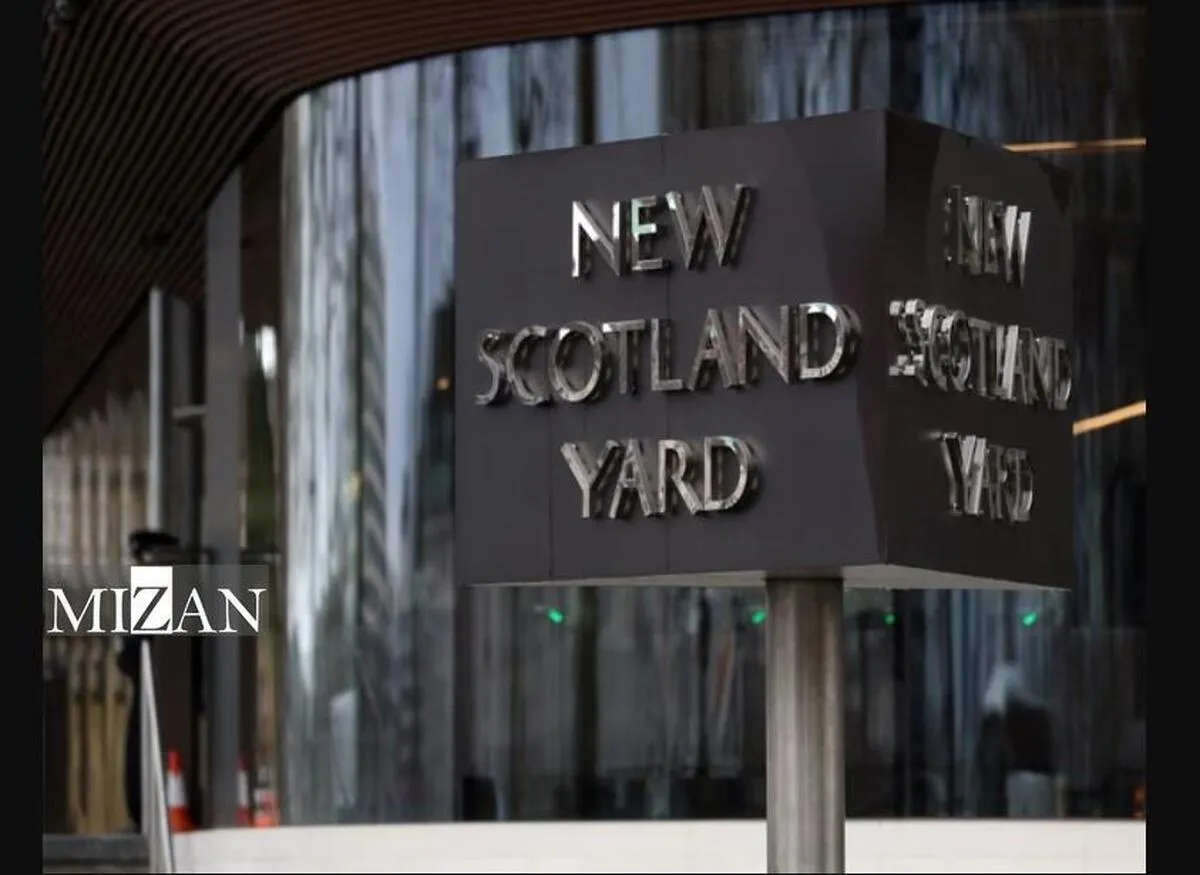
The UK Independent Police Complaints Commission (IPCC) reported that the Hackney Community Defence Association (HCDA), which sought to expose police corruption and violence, was secretly monitored for a decade.
According to The Guardian, undercover officers covertly observed members of a social organization investigating misconduct and corruption within the Metropolitan Police.
Previous confidential reports indicate that the Hackney Community Defence Association in East London, along with its main organizer, had been under surveillance by police spies for ten years.
The HCDA helped victims of police violence successfully take legal action against officers and hold them accountable. The organization also assisted in uncovering key evidence in a major alleged police corruption scandal.
The surveillance reports included personal information about Graham Smith, founder and director of the HCDA, such as details of his marriage and his father’s terminal cancer.
The investigation examined the behavior of undercover police officers who spied on thousands of people between 1968 and at least 2010, following revelations of misconduct.
According to reports, the undercover officers compiled 44 reports detailing HCDA activities and Smith’s work between 1988 and 1998. The first report was filed in August 1988, just one month after the HCDA was established.
Founded to combat police violence and racism, the organization operated as a self-help group, enabling victims to use legal claims as a means to achieve justice. Over time, the HCDA highlighted numerous cases that were regularly covered in the media.
In the 1990s, the HCDA also helped expose one of the worst alleged police corruption cases, in which officers at Stoke Newington police station were accused of planting drugs on individuals, drug dealing, theft, and other crimes.
UK police have acknowledged that instructing senior officers to direct undercover officers to spy on the HCDA was a mistake. The Commission stated that the group and similar organizations were engaged in legitimate activities, including efforts to hold the Metropolitan Police accountable for their behavior and decisions.
Smith testified that many of the surveillance reports were inaccurate. He emphasized that undercover police had wrongly attempted to portray the organization as being run by anarchists.
The HCDA founder and director also stated that undercover officers sought to deflect attention from the illegal collection, retention, and storage of information by labeling the organization’s accountability campaigns as politically extremist.
One undercover officer began a five-year deployment in Hackney in 1995. A strategic document specifying the groups he was sent to infiltrate explicitly referenced the HCDA.
The officer passed personal information about Smith to his superiors, stating that this was to update Smith’s secret file, which had been maintained by the Special Branch—a covert unit tracking political activists.
The Special Branch, which employed undercover officers, began maintaining confidential files within the HCDA itself to record its activities from 1988, the year of the organization’s founding.