Death row surge in U.S.: Two executed, more to come
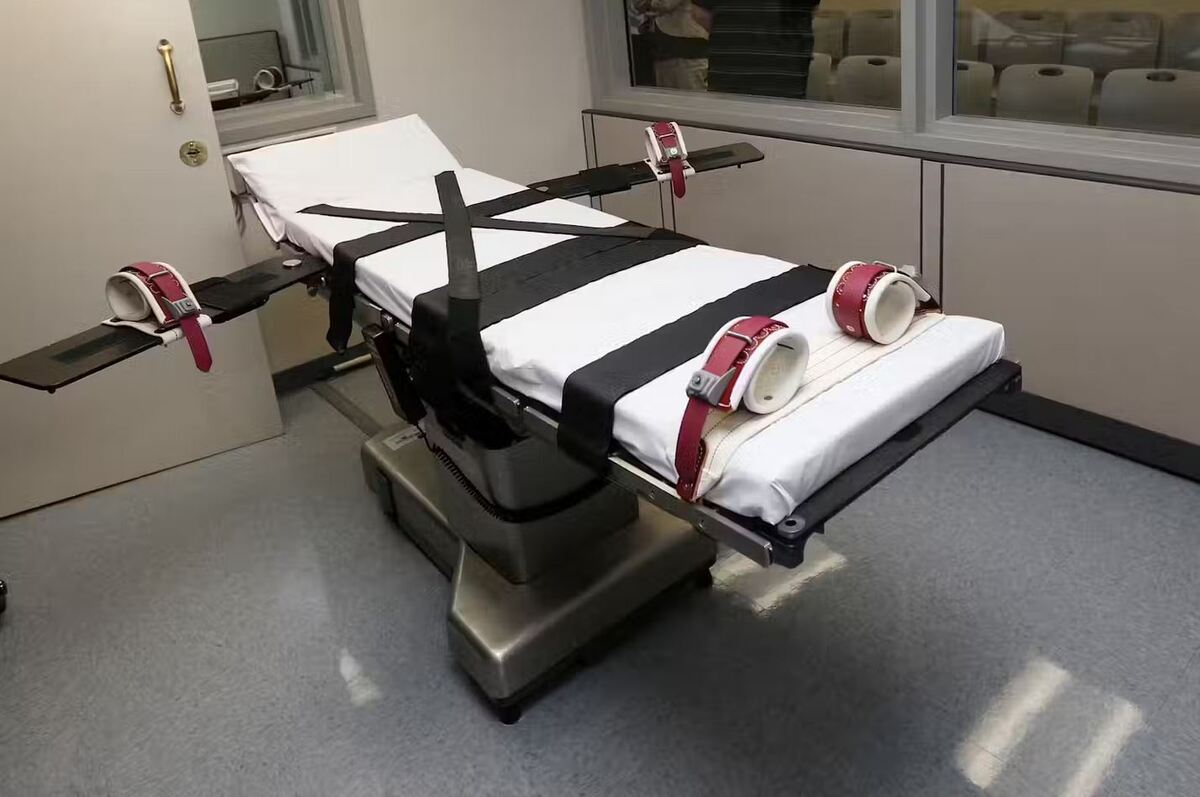
Recently, two death row inmates were executed in the U.S.—one in Alabama and another in Texas.
The execution of Jeffrey Todd West in Alabama and Blane Milam in Texas brought the total number of national executions to 33, making 2025 the year with the highest number of state executions since 2014. The U.S. Supreme Court denied the final appeals of West and Milam, allowing the executions to proceed.
Following his inauguration, Donald Trump signed an executive order titled “Reviving the Death Penalty and Protecting Public Safety,” aimed at ensuring the enforcement of death penalty laws. This order directed the U.S. Attorney General to challenge Supreme Court rulings that limit federal and state governments’ ability to carry out executions.
The executive order also instructed the Attorney General to seek the death penalty in federal cases involving serious crimes, with particular emphasis on cases involving the murder of police officers and any serious offenses committed by undocumented immigrants.
Just hours before these two executions, Trump signed a presidential memorandum instructing U.S. Attorney General Merrick Garland to fully enforce the federal death penalty in Washington, D.C., which abolished capital punishment in 1981, and whose residents voted against reinstatement in a 1992 referendum. The memorandum explicitly states that federal executions remain a priority for the President of the United States.
Florida, inspired by the White House, passed legislation mandating automatic death sentences for undocumented immigrants convicted of serious crimes.
Fifth execution using Nitrogen gas in Alabama
Alabama executed 50-year-old Jeffrey Todd West using a new method: nitrogen hypoxia. West was sentenced to death for a 1997 murder.
The execution proceeded despite opposition from the victim’s family. Will Bray, one of the victim’s sons, actively campaigned against West’s state execution.
The World Socialist Web reported that Jeffrey West was the fifth person executed in Alabama using nitrogen hypoxia—a method that involves placing a mask over the prisoner’s face, forcing them to breathe pure nitrogen, and depriving them of oxygen. Critics describe the method as deliberate suffocation. Its adoption reflects the state’s desperate attempt to keep its death row execution machinery operational.
Nitrogen hypoxia was authorized by Alabama lawmakers in 2018, followed by Louisiana, Mississippi, and Oklahoma. Nationally, six people have been executed with nitrogen gas so far—five in Alabama and one in Louisiana.
Just 18 minutes after West’s death was announced, Texas executed 35-year-old Blane Milam by lethal injection. Milam had been sentenced to death for a 2008 murder and assault.
Future executions in the U.S. in 2025
Experts indicate that executions in the U.S. show no signs of slowing down. Following the dual executions of West and Milam, nine more executions are scheduled in eight U.S. states before the end of the year.
This trajectory could bring the total number of executions in 2025 to at least 42, the highest since 2012.
October is expected to be an exceptionally busy month in U.S. execution chambers, with seven state executions planned, including five over a four-day period. These executions are scheduled in Arizona, Florida, Mississippi, Missouri, and Texas.
Florida has already set a record this year with 12 executions, making it the state with the highest number of executions. Another execution is scheduled for September 30, which will be Florida’s 13th of the year.