Crossing into danger: Migrant deaths surge in Americas’ deadliest route
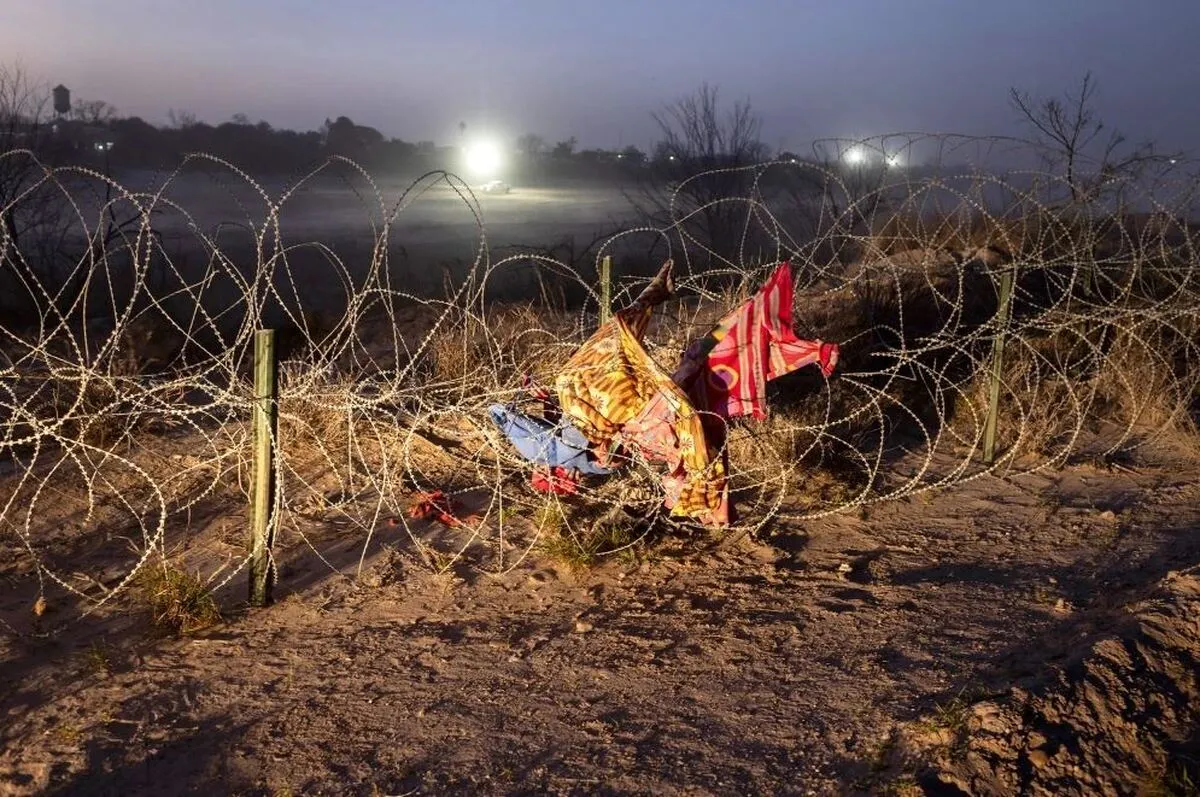
According to The Migration News, the International Organization for Migration’s (IOM) Missing Migrants Project tracked 74,000 missing migrants between 2014 and 2024. Of these, 11,000 died or went missing while attempting to cross the Americas. More than 6,000 of them perished or disappeared along the U.S.-Mexico border, stretching from the Pacific Ocean to southern Texas.
Data shows that men account for 80% of deaths at the border. However, the number of women dying at the border has been rising since 2020. In the first months of 2023, one-quarter of the identified remains were women, with the total reaching 106 by year’s end—an 8% increase compared to 2022.
Meanwhile, data from 2023–2024 reflects a steady level of fatalities, with a significant number of child deaths, indicating that more families are attempting the perilous crossing.
Who is most affected?
The Darién Gap—considered one of the world’s most dangerous migration corridors—remains a central passage in the Americas. Despite the risks, thousands cross it every year. According to Panama’s National Migration Service, about 8,600 migrants crossed the gap in 2020, while in 2023 the figure surged to a record 520,085. In 2024, more than 302,000 people crossed the Darién Gap.
UNICEF reports that in the first four months of 2024, over 30,000 children crossed the Darién Gap—an increase of about 40% compared with the same period in 2023.
Deadly Threats
Arizona’s borderlands remain among the deadliest stretches of the U.S.-Mexico border due to extreme heat, rough terrain, and anti-immigration measures that push migrants into remote areas.
Since many disappear without a trace and data is riddled with gaps, the actual death toll is likely higher. Some victims are never identified, leaving families without answers.
A study published in Journal on Migration and Human Security in October 2024 revealed discrepancies in official counts. In Arizona, the Pima County Medical Examiner recorded 3,634 migrant deaths between fiscal years 2000 and 2022, while U.S. Border Patrol registered 3,069 deaths during the same period—a difference of about 17%.
Border Patrol intercepts those crossing, but skeletal remains, bones, or skulls often fall outside their jurisdiction.
Over the past decade, Arizona and Texas have recorded the highest migrant death tolls. Migrants walking for miles face countless risks—from becoming stranded on the way to battling unforgiving weather conditions.
With scorching sun, searing heat, and stifling humidity pushing temperatures to nearly 38°C, survival is far from guaranteed. For those who make it through, dehydration and heatstroke remain constant threats—compounded by smugglers, attackers, and kidnappers preying on migrants’ limited resources.