From starvation to isolation: The global revolt against Israel’s war
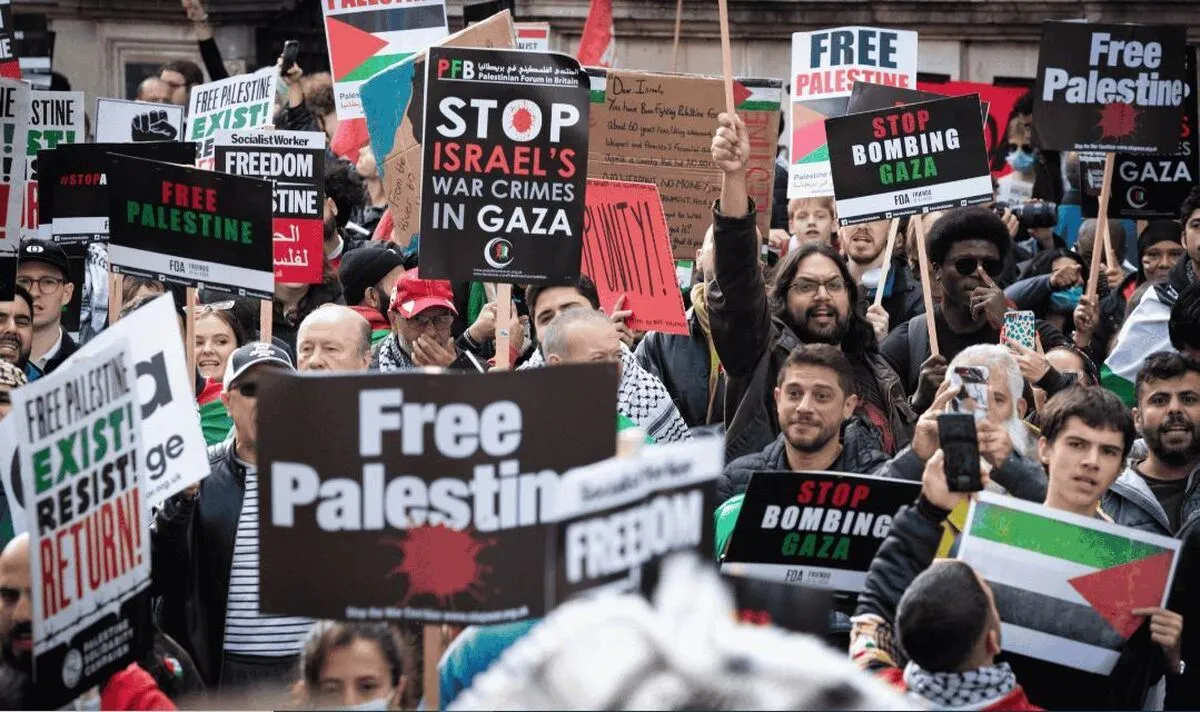
International criticism of Israel has intensified in recent months, particularly in response to the humanitarian crisis in Gaza.
Meanwhile, Spain, Norway, Ireland, and Slovenia officially recognized the State of Palestine in 2024. France is expected to follow suit, with President Emmanuel Macron recently announcing that Paris will recognize Palestine in September.
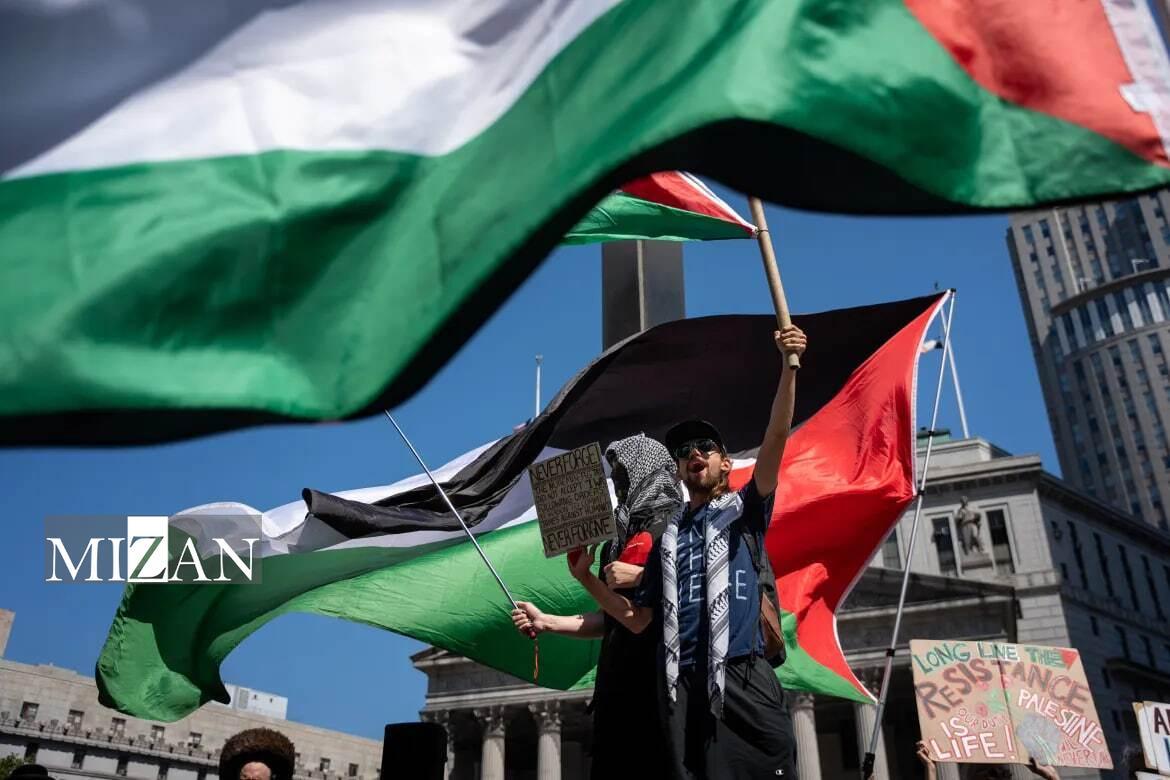
Public backlash has extended beyond governments, with Israeli tourists increasingly facing anti-Israel actions abroad.
Mass global protests
In recent days, hundreds of thousands of demonstrators have rallied in cities around the world in solidarity with the people of Gaza, demanding an end to Israel’s assault on the besieged and bombarded territory.
This comes as Israel’s policy of deliberate starvation has engulfed Gaza’s entire population.

In the United Kingdom, massive protests have taken place over the past week. Around 500 anti-war protesters were arrested by London police, despite the government banning the country’s largest pro-Palestine advocacy group. Protests continue to fill streets across Britain.
In Amsterdam, the Netherlands, large crowds marched in recent days to denounce the siege of Gaza and Western support for Israel, demanding immediate, unrestricted aid deliveries to the Strip.
In Spain, several pro-Palestine demonstrations were held across the country—including in Madrid—protesting Israel’s bombardment and the hunger crisis in Gaza. Waving Palestinian flags, protesters chanted: “End the genocide.”
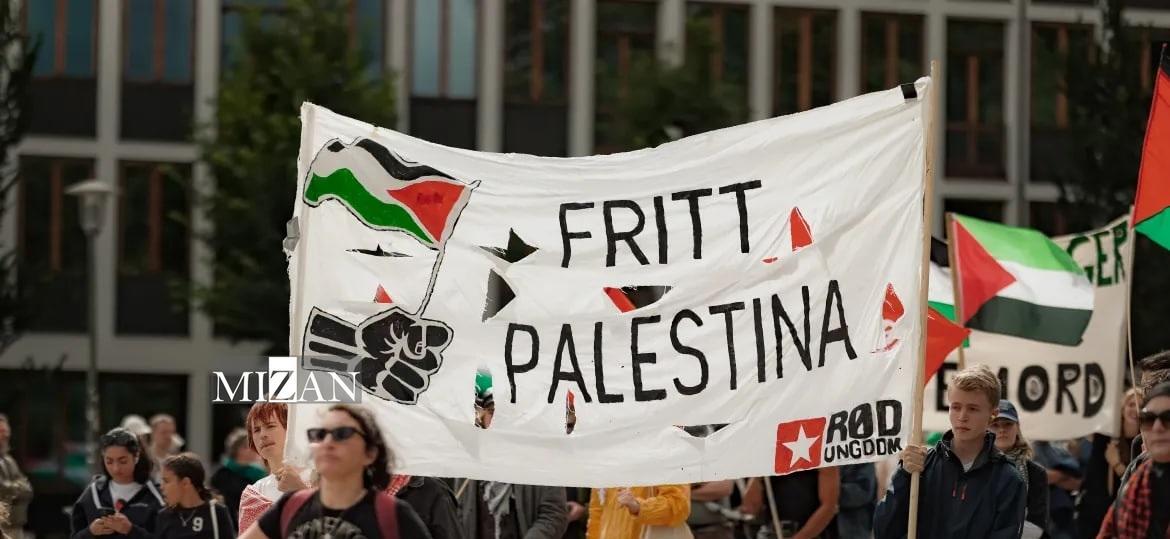
In Geneva, Switzerland, thousands gathered to denounce the famine and malnutrition-related deaths caused by Israel’s blockade, chanting in English, French, and Arabic, and demanding an end to support for Israel’s oppression of Palestinians.
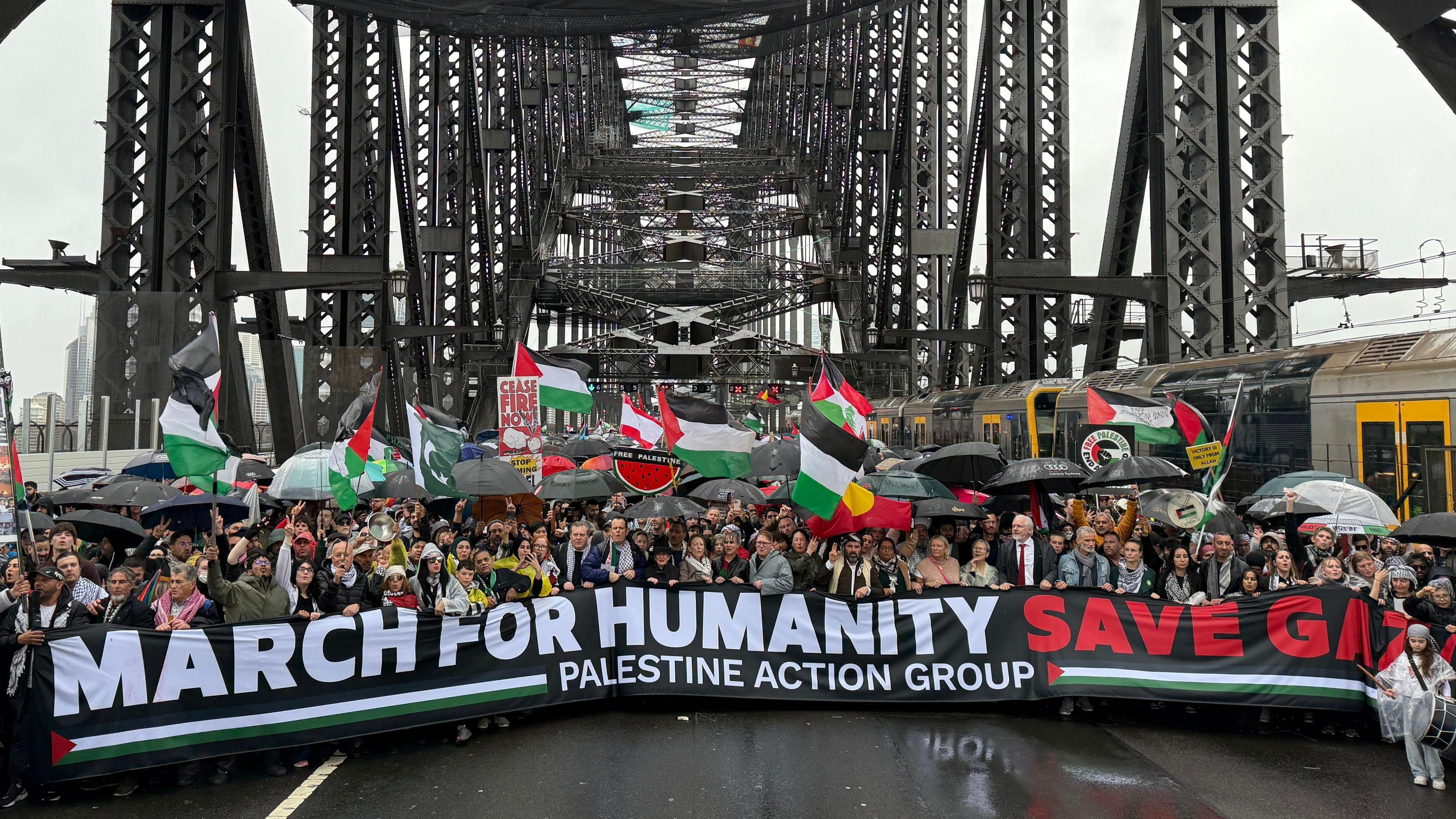
One of the most widely covered events was a massive march in Sydney, Australia, attended by hundreds of thousands. Some attribute the Australian government’s recent announcement that it will recognize the State of Palestine in September to the pressure generated by this protest.
The beginning of Israel’s international isolation
The news outlet Mondoweiss, in a report titled “Israel’s International Isolation Has Begun”, wrote:
“We have never seen such a rapid shift in policy toward Israel as we are seeing now. Recently, more than half of Democratic senators (27 in total) voted to block certain arms sales to Israel. Before that, the UK and Canada announced they would recognize Palestine at the United Nations—echoing France’s recent statement. The world is shocked by Israel’s starvation of Gaza, and mainstream media are finally reporting allegations of genocide. Israel’s international isolation has begun.”
The report stressed that these political shifts are being driven by ordinary people. Israel’s popularity has been declining in global public opinion for years, even in the United States. Yet leaders of Israel’s allied states have resisted this change.
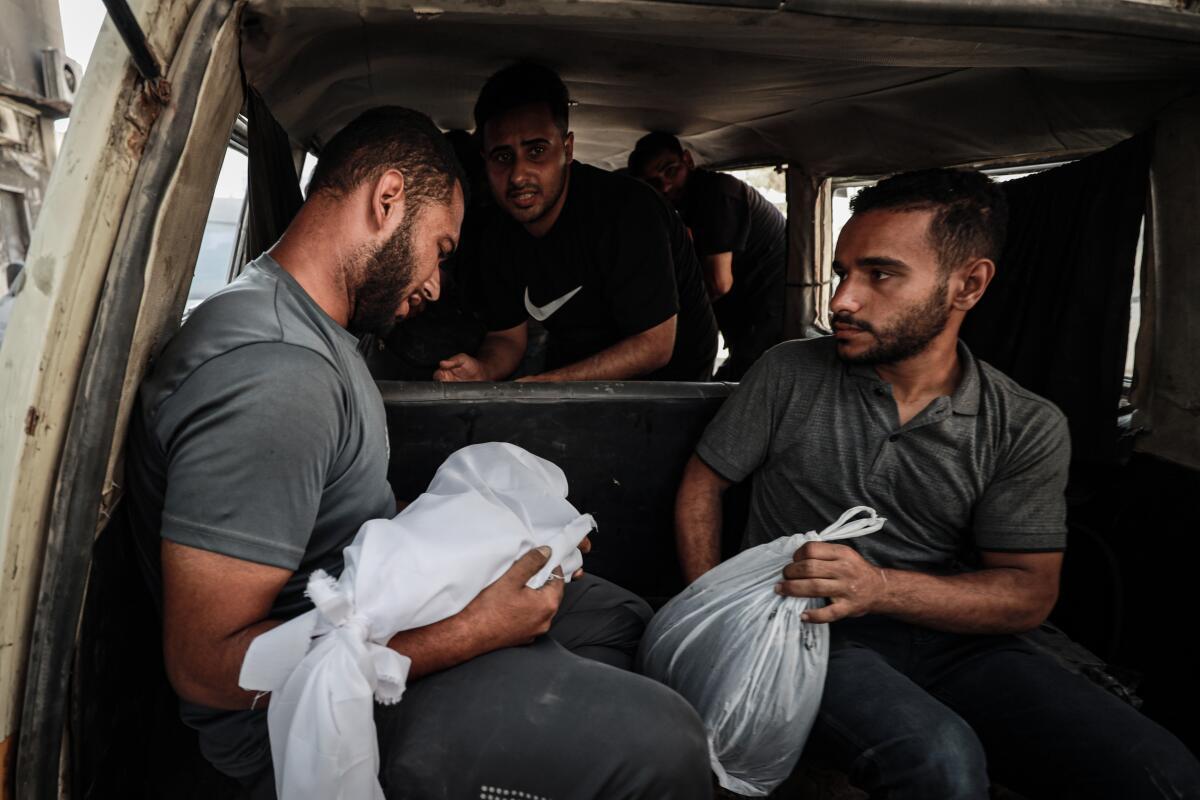
According to reports, even U.S. President Donald Trump warned one of his pro-Israel Jewish donors: “My people are starting to hate Israel.”
Experts have long argued that the way to stop Israel’s war crimes is for Western countries to either sanction or abandon it. The change in official rhetoric proves this point. Israel now appears to be seeking to soften its brutality, and reports suggest that even some in the occupying forces are embarrassed by front-page coverage of Gaza’s starvation. The West could have ended the occupation long ago.
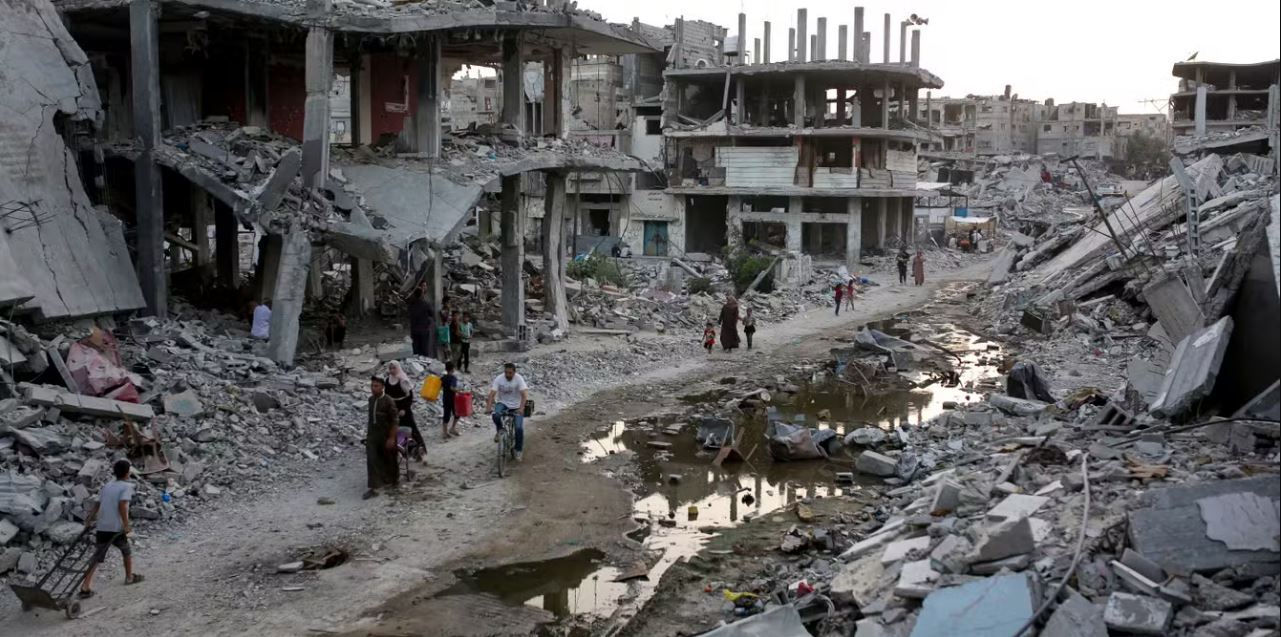
When the time comes to account for the genocide, responsibility will extend to every voice that justified the deaths of children buried under American-made bombs. Liberal commentators in outlets like The Times, The Telegraph, and NPR acted as if Gaza were living under normal conditions.
Israel’s Hebrew-language daily Haaretz also acknowledged in a report: “Israel is internationally isolated—and it is painful.”
Anadolu Agency wrote: As Israel continues its nearly two-year-long offensive in Gaza, Israeli experts warn that the country faces unprecedented diplomatic, political, and social backlash worldwide, raising concerns about its deepening international isolation.