12-day war exposes weaknesses in America’s missile defense reserves
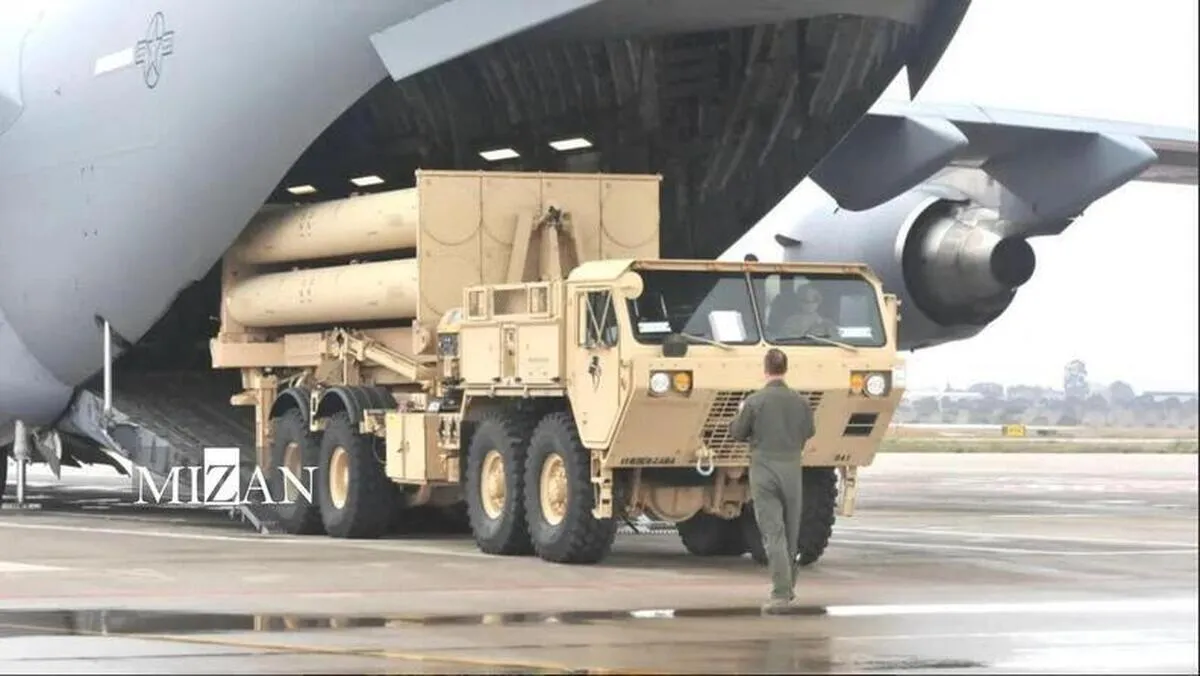
The U.S. military reportedly launched over 150 THAAD (Terminal High Altitude Area Defense) anti-ballistic interceptor missiles to assist the Israeli regime during the recent 12-day conflict.
According to The Wall Street Journal, if accurate, this number represents one-quarter of the total THAAD interceptors that have either been ordered or are planned to be ordered, based on Pentagon budget documents.
This has also raised questions about the effectiveness of ship-launched interceptors, approximately 80 of which were fired by the U.S. Navy during the recent war.
The Wall Street Journal, citing anonymous U.S. officials, for the first time reported on the U.S. military expenditures related to THAAD and SM-3 interceptor missiles.
American forces also utilized Patriot surface-to-air missile systems, as well as SM-2 and SM-6 missiles launched from ships, during the latest conflict.
The U.S. Army’s fiscal year 2026 budget request, submitted in June, states that the Missile Defense Agency (MDA) has so far received funding for 646 THAAD interceptors, although not all have yet been delivered.
There are growing concerns within the Pentagon about the performance of SM-3 missiles, which were first used in combat last year during an Iranian attack, but reportedly did not destroy targets as effectively as expected.
The U.S. military is now carefully reviewing each launch to better understand what went wrong.
All these issues point to increasing concern within the U.S. military about how to balance its commitments in the Middle East and continued support for Ukraine in its war with Russia, given the pressure on interceptor missile stockpiles and other critical munitions.
The recent Wall Street Journal report specifically highlights the current stockpile of THAAD interceptors as alarmingly unstable.